

 English
 Deutsch
Rated Current: 80A Direct Input
Bulit-in Relay
For Prepaid/Postpaid Billing System
4G Communication
4 Tariff Rates
RS485 Communication
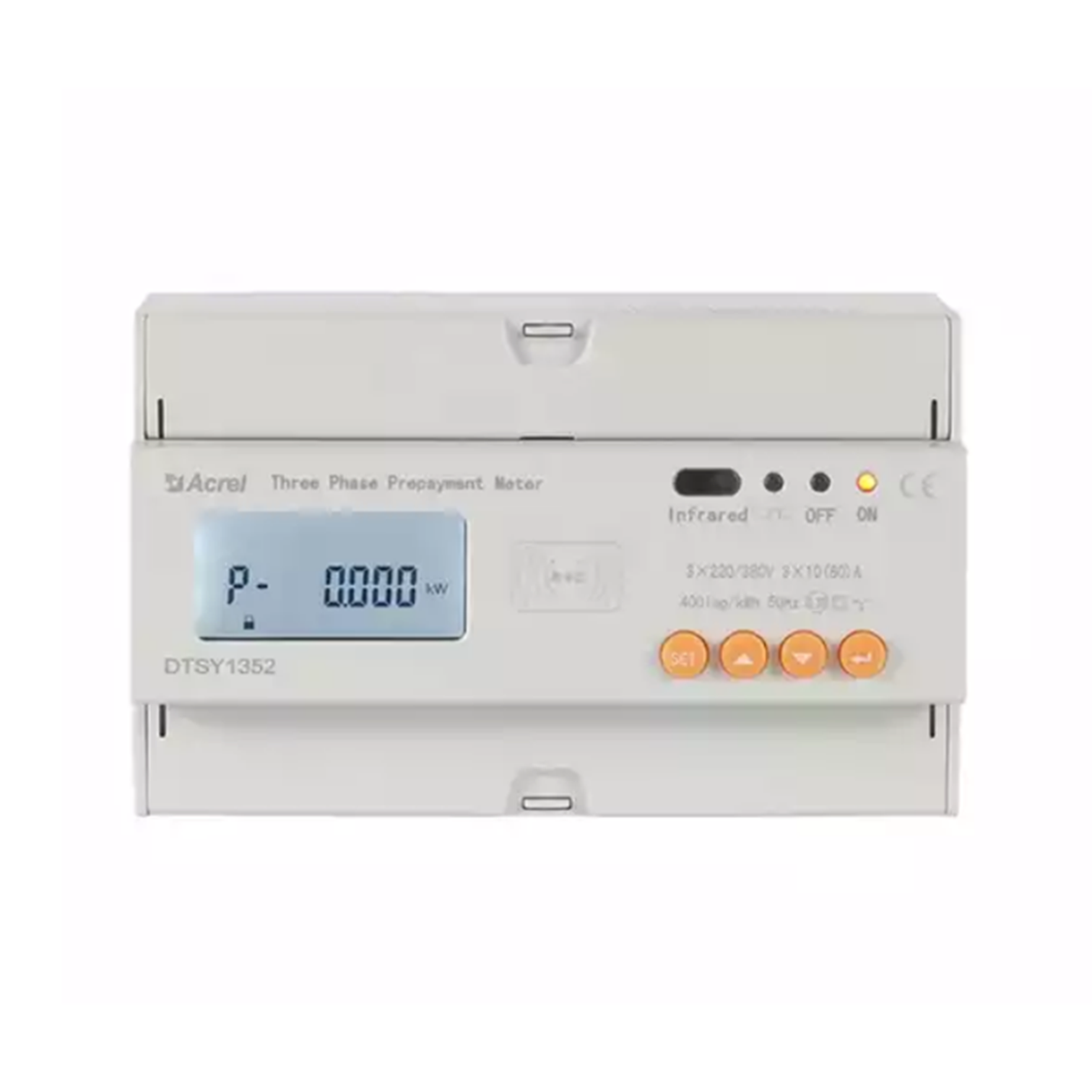
Rated Current: 80A Direct Input
Bulit-in Relay
For Prepaid/Postpaid Billing System
4G Communication
4 Tariff Rates
RS485 Communication
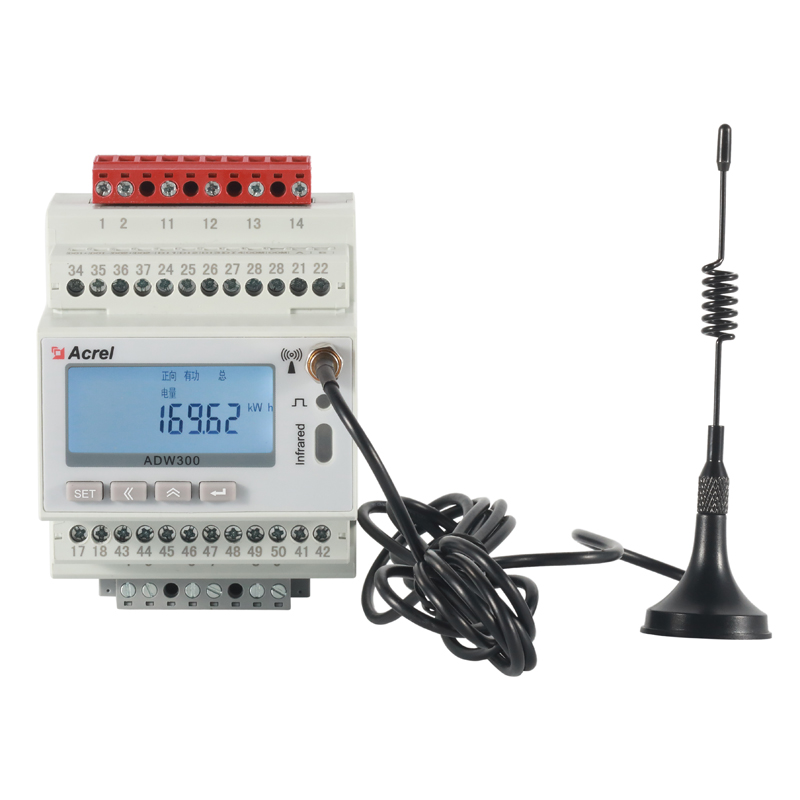
Wireless Comm. 4G
Input Current 5A/1A(Via CTS ) or mV(Via Rogowski Coil )
Phase-sequence correction
35mm DIN Rail Mounted
4 Modules 72mm Width
CE Certificated
For IoT Energy Management, Factory, School, Convenience Store
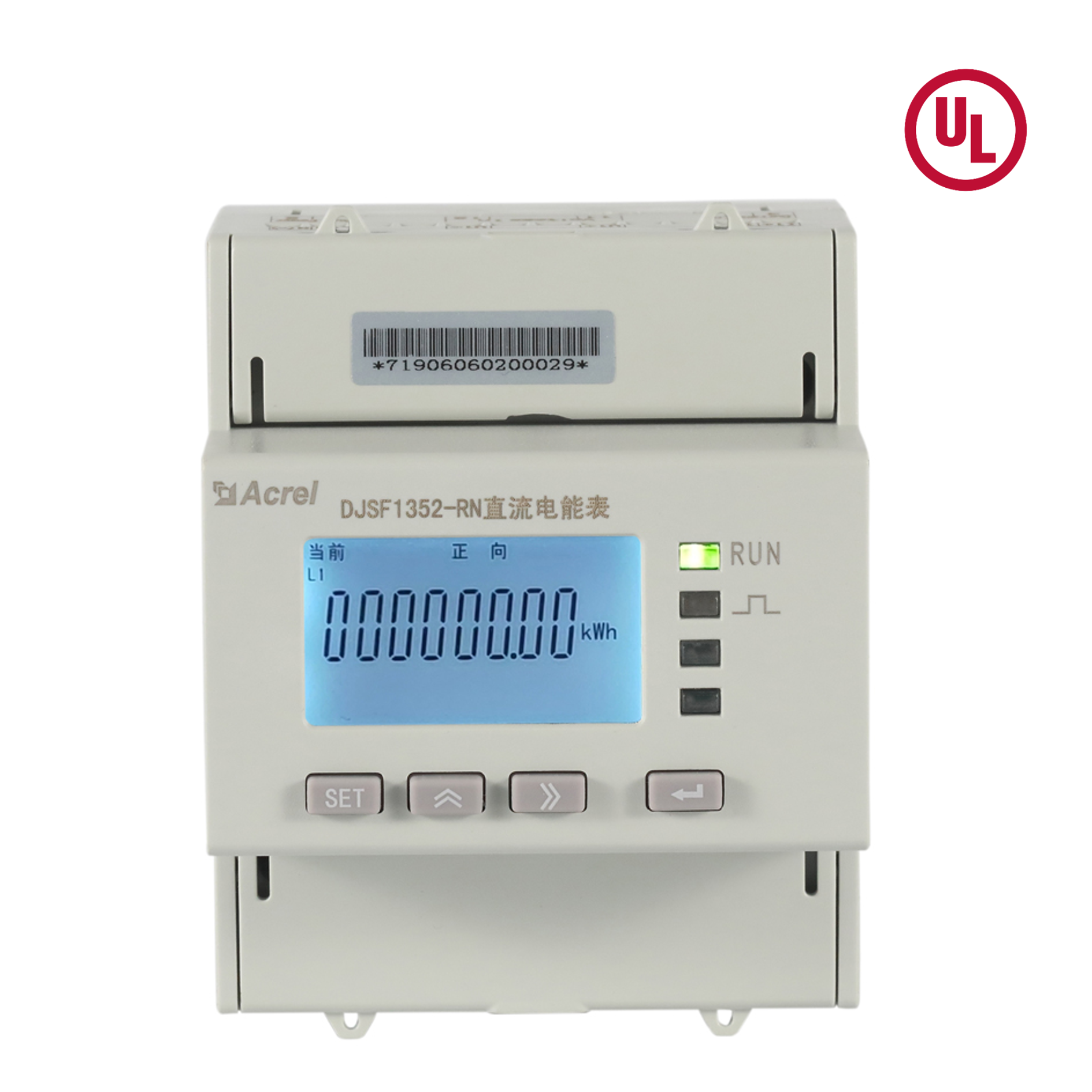
DC Dual-circuits Monitoring
Dual RS485 Communication
Rated Voltage 0~1000V DC
DO/DI Function
UL certified
High Accuracy Class 0.5
Built-in Bipolar Power Source for Hall Sensors
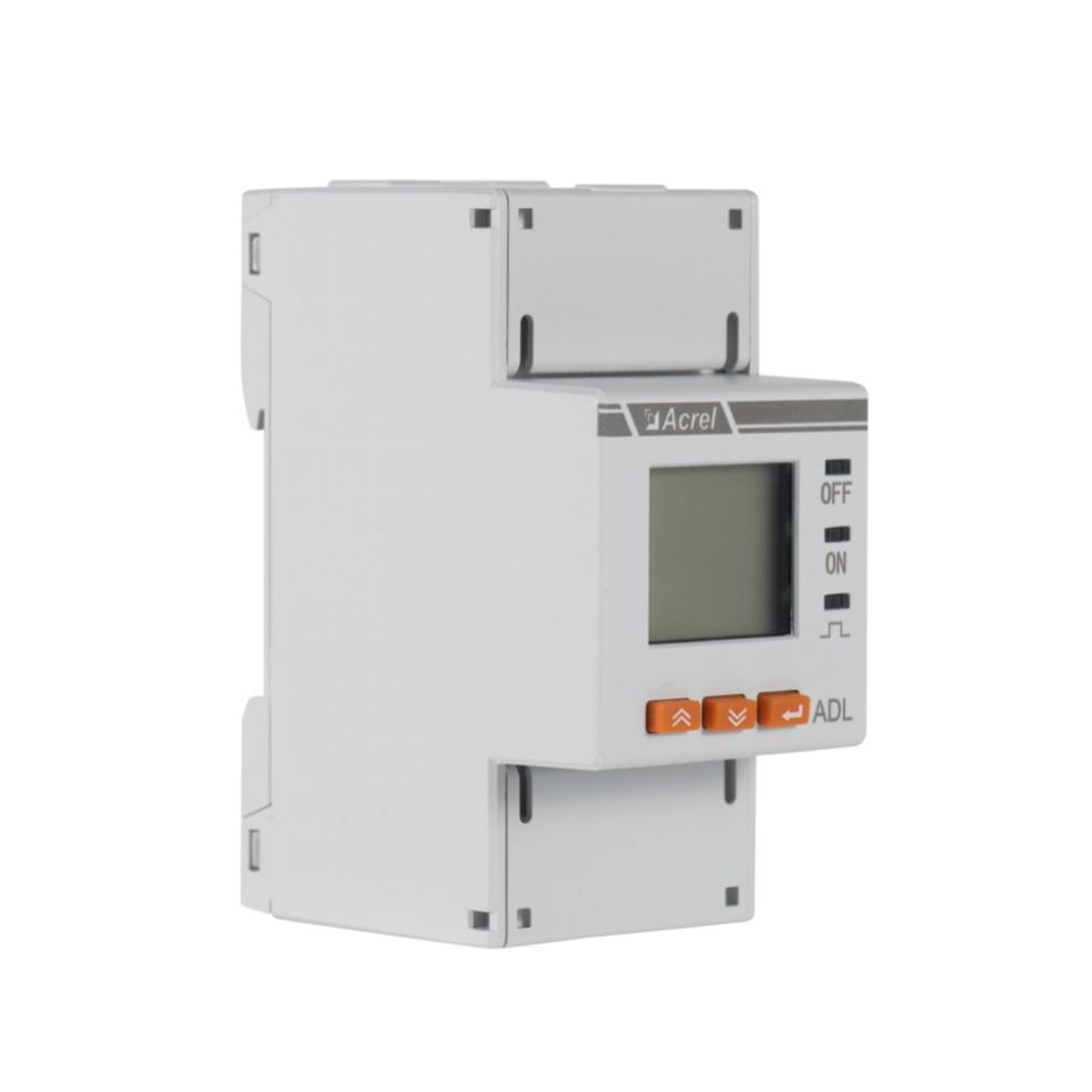
Rated Current: 60A Direct Input
Bulit-in Relay
For Prepaid/Postpaid Billing System
Wireless WiFi/4G Communication Optional
RS485 Communication
Application:Shopping malls, Apartment, Dormitories and Retail Premises
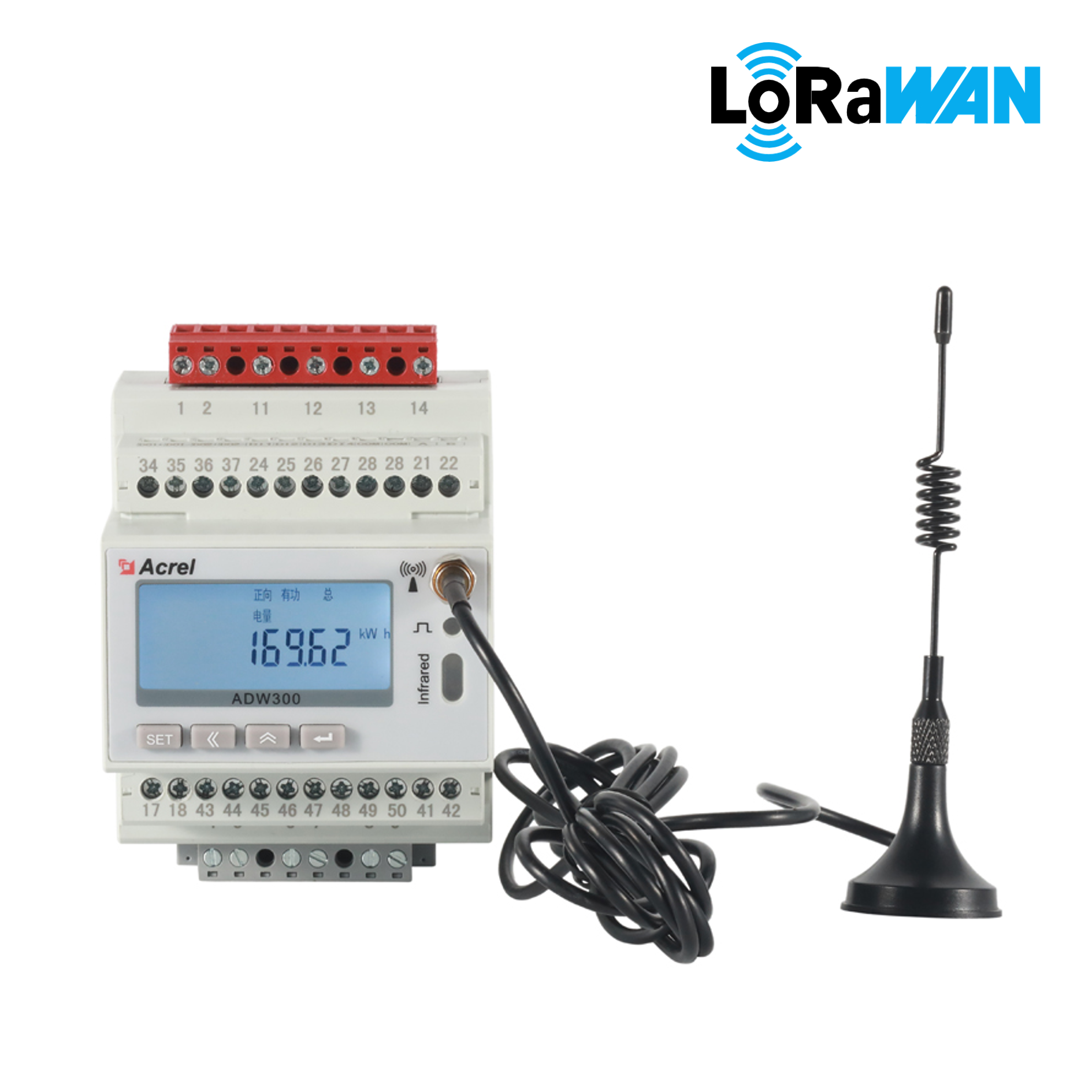
Wireless Comm. LoRaWAN EU868MHz
Input Current 5A by CTs
868/915/923/470/433MHz LoRaWAN
35mm DIN Rail Mounted
4 Modules 72mm Width
CE Certificated
For IoT Energy Management, Factory, School
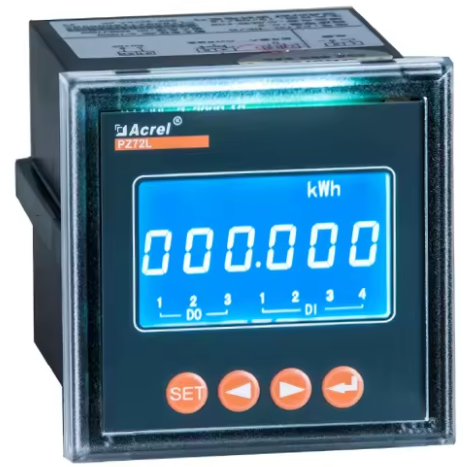
RS485 Modbus-RTU
2DI/2DO
12V power output
Multiple rate
LCD display
For Solar PV Energy Management System
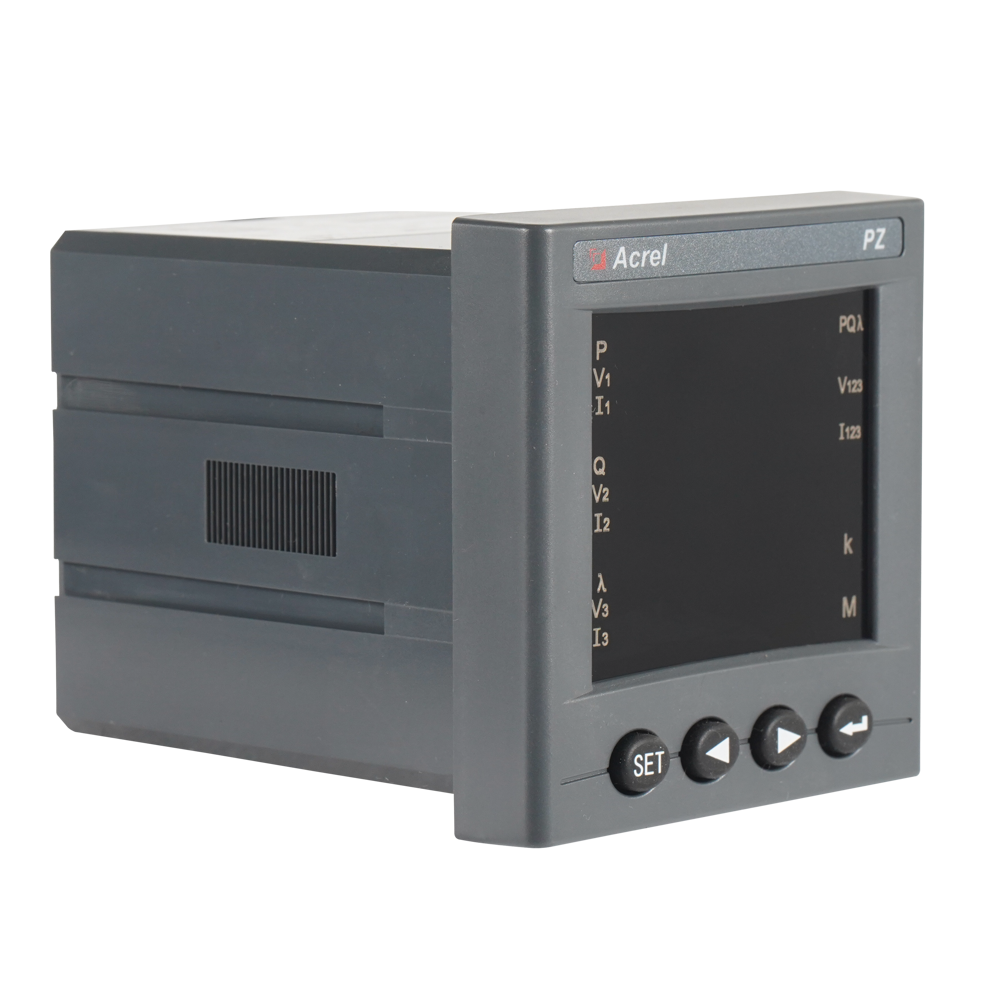
AC Three Phase Measurement:U,I,kWh,kVar and etc
Bidirectional Metering
Input Current: 5A/1A by CTs
Communication:RS485,Modbus-RTU
Application:Inverter,Switchgear,Distribution Panel

6 Circuits 3 Phase Measurement
RJ12 Connection, Easy Installation
High Accuracy Class 0.5S
Work with SCADA System
CE Certificated
Application: Data Center
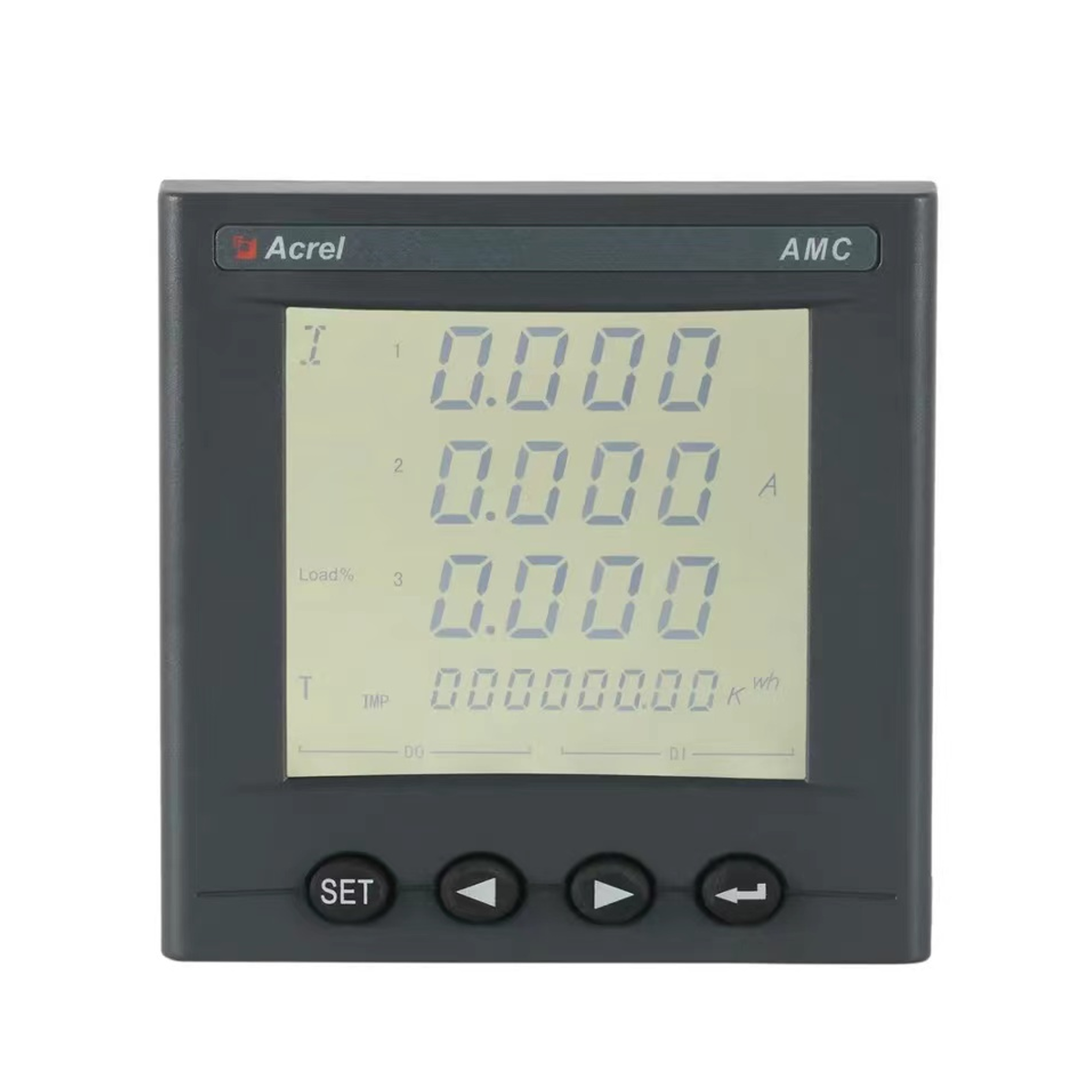
AC Three Phase Measurement
Input Current: 5A/1A by CTs
THD with 2-31st Harmonics
72*72mm
Ture RNS Measurement
4DI & 2DO
Pulse Output
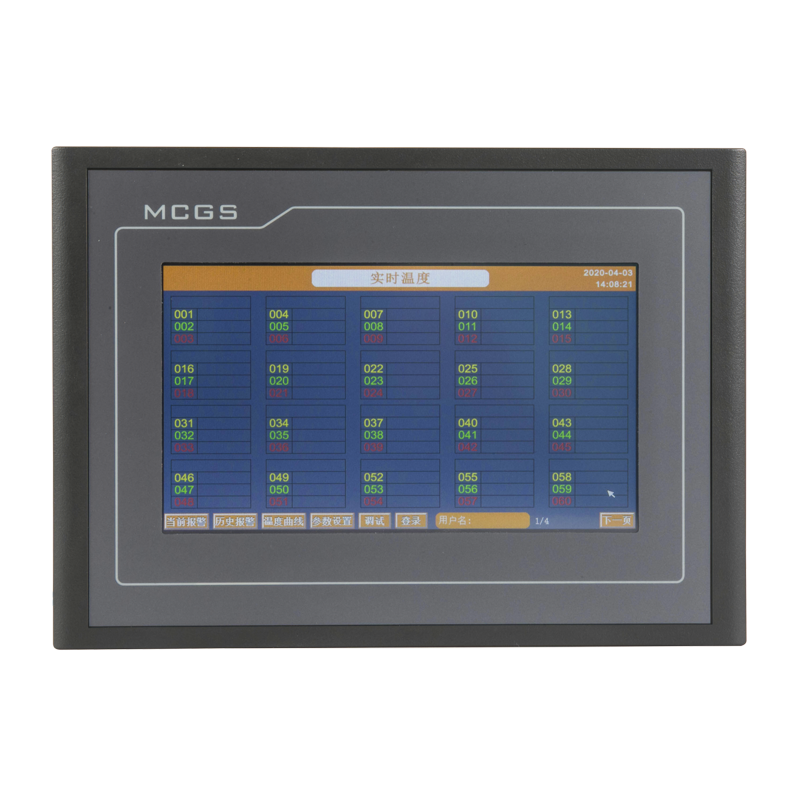
7-inch Touch-Screen
Receive Max. 240 Sensors
Work with SCADA System
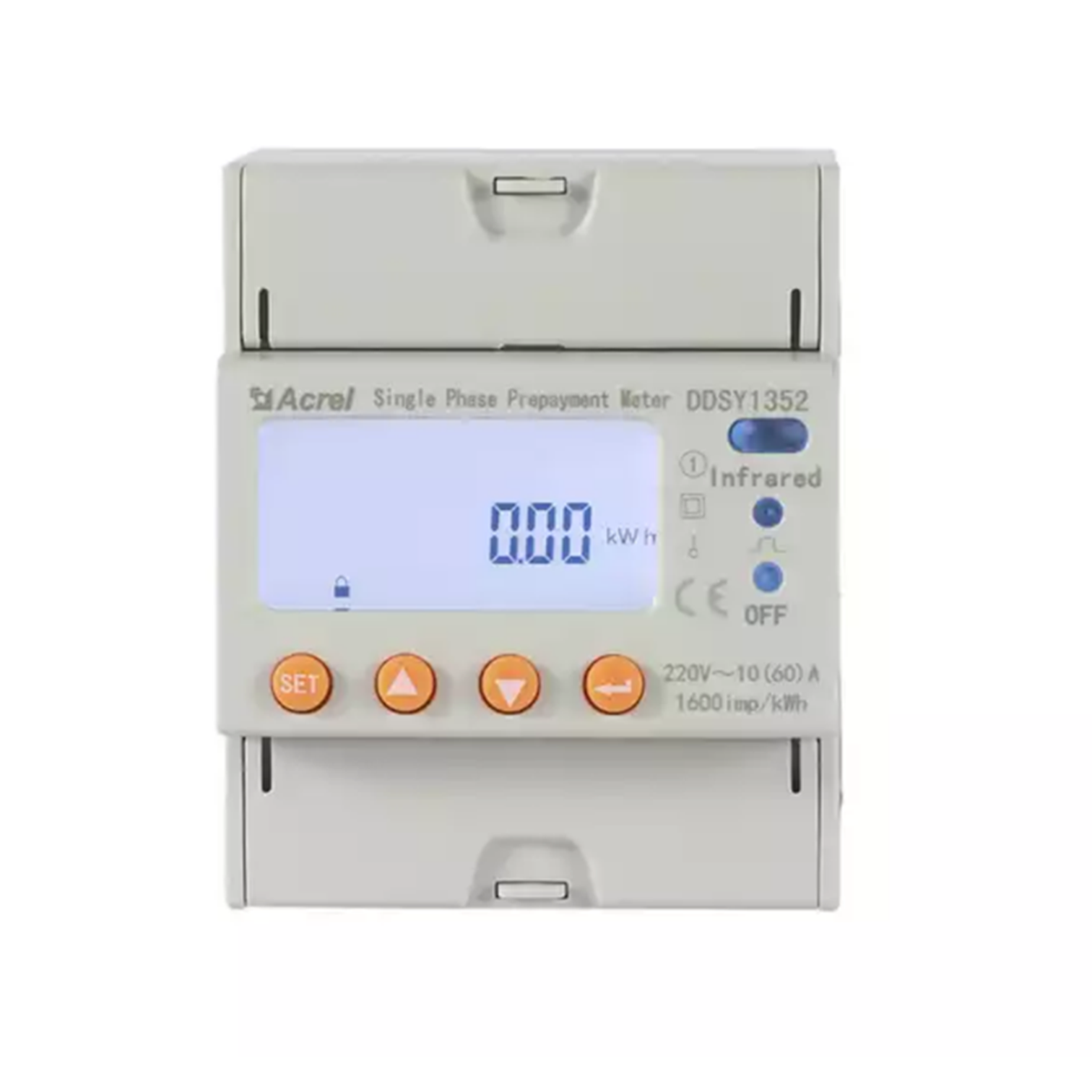
Rated Current: 80A Direct Input
Bulit-in Relay
For Prepaid/Postpaid Billing System
Wireless 4G Communication Optional
RS485 Communication
Wireless Comm. LoRaWAN EU868MHz
Input Current 5A by CTs
868/915/923/470/433MHz LoRaWAN
35mm DIN Rail Mounted
4 Modules 72mm Width
CE Certificated
For IoT Energy Management, Factory, School
Energy Meter is an electric energy meter, also known as an electric meter, energy meter or cumulative watt-hour meter.
It is a meter used to measure electrical energy consumption, usually installed in homes, commercial buildings or industrial facilities to measure the amount of electricity used. This meter can record the use of electrical energy for electricity bill settlement and energy management. Energy Meter calculates the amount of electrical energy consumed by measuring parameters such as current and voltage, and displays it in the form of numbers or pointers.
In addition, Energy Meter may also have other functions, such as recording peak and trough energy consumption, monitoring power quality, etc., to help users better manage energy use and optimize energy efficiency.
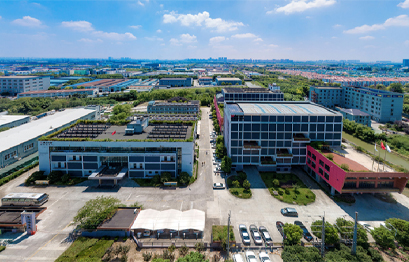

Founded in 2003, Acrel Co., Ltd.【Stock Code: 300286.SZ】 is a high-tech enterprise specializing in energy management solutions and electrical safety. Headquartered in Shanghai, Acrel offers innovative and sustainable solutions for microgrid energy efficiency and electrical safety. With over 600 patents and software copyrights, Acrel has deployed more than 28,000 system solutions globally, forming a comprehensive "cloud-edge-end" energy internet architecture.
Acrel Co., Ltd. is China
Smart Energy Meters Company and
Power Energy Meter Suppliers. Acrel's integrated product ecosystem spans from cloud platform software to end-user components, covering sectors such as power, renewable energy, data centers, smart buildings, transportation, and smart cities. These solutions enable intelligent, real-time energy management, enhancing energy security and reducing operational costs. We offer
Smart Electricity Meters for sale.
The company's production facility, Jiangsu Acrel Electric Manufacturing Co., Ltd., adheres to strict quality standards and environmental guidelines, with advanced testing centers and a commitment to lead-free production processes. Acrel's team of over 500 engineers delivers cutting-edge energy efficiency systems and smart energy solutions.
With a strong domestic presence, Acrel is actively expanding internationally, supported by a global network of sales and technical teams and an e-commerce platform that ensures seamless service experiences worldwide. Acrel is proud to help businesses improve efficiency, reduce consumption, and achieve sustainability goals.
Together, we are building a smarter, greener future.

Authorized Patents
0+
Number of Customers Served
0+
Total Employees
0+
Manufacturing Base
0m²Empowering businesses with our robust capabilities.
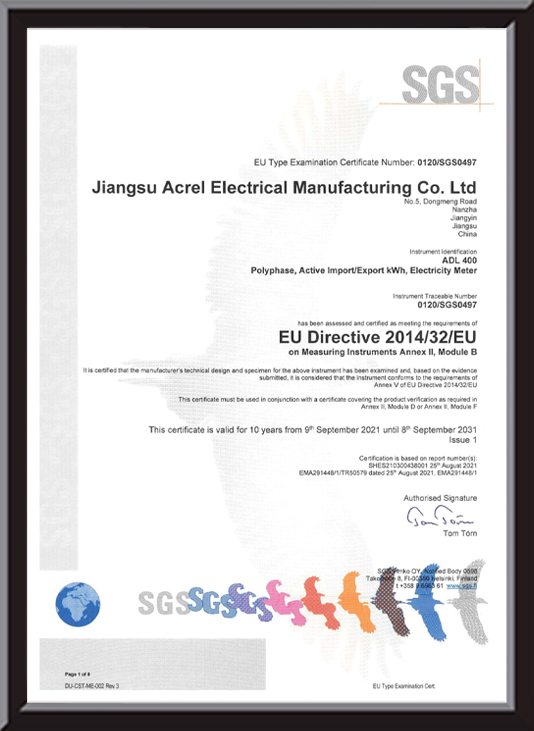
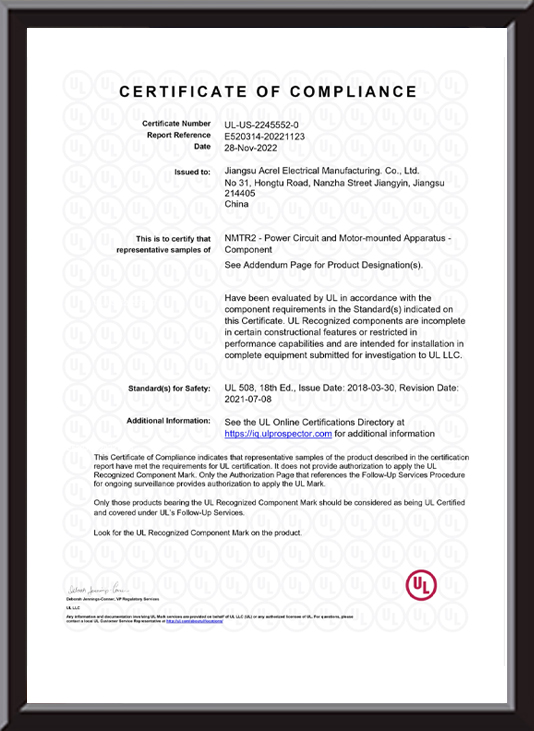
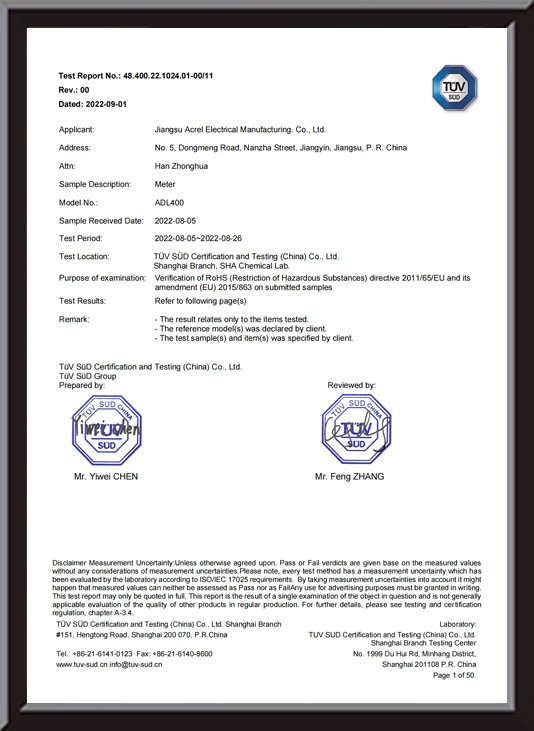
Welcome to connectIn the context of the rapid development of the new energy industry, scenarios such as commercial and industrial energy storage, battery swapping stations, and hou...
Read MoreIndustry Background and Application Importance Modern telecommunications networks have evolved into highly distributed, power-sensitive infrastructure systems. From core switching ...
Read MoreWith the rapid development of commercial real estate, power consumption management in shopping malls is gradually shifting from traditional manual operation to intelligent and data...
Read More1. Introduction With the continuous development of the global economy and industrial technology, electrical power systems play an increasingly important role in modern society. The...
Read MoreThe global energy landscape is undergoing a profound transformation. As concerns about climate change and resource scarcity grow, there’s an increasing demand for more efficient and sustainable energy solutions. At the heart of this shift are smart energy meters, also known as smart electricity meters or power energy meters. These aren’t your grandparents’ spinning-disc meters; they are sophisticated devices designed to collect and transmit data, offering unprecedented insights into energy consumption patterns. But are they truly the key to unlocking a more efficient energy future?
For decades, the standard was the analog mechanical meter. These devices, with their rotating discs and mechanical dials, simply measured total kilowatt-hours (kWh) consumed. A utility worker would visit each home or business on a monthly or quarterly basis to manually record the reading. This system, while reliable for billing, provided no real-time data. It was a one-way street of information, leaving both consumers and utility providers in the dark about how and when energy was being used.
Enter the smart energy meter. These devices represent a significant leap forward. They use a two-way communication network, allowing them to send consumption data back to the utility company and receive information in return. This enables a host of new functionalities, including remote meter reading, real-time consumption monitoring, and integration with other smart home technologies. They are essentially the nervous system of a modern energy grid, providing the data needed for intelligent management.
At a fundamental level, a smart meter measures the flow of electricity, but its capabilities extend far beyond a simple kWh count. It logs energy usage in granular detail, often at 15-minute or even more frequent intervals. This granular data is a game-changer. It can measure:
The data is typically transmitted via a secure network, such as cellular, radio frequency (RF), or power line communication (PLC), to the utility’s data collection system. This automatic transmission eliminates the need for manual readings and significantly reduces billing errors.
The widespread adoption of smart energy meters offers a multitude of benefits for consumers, businesses, and the environment.
While the benefits are clear, the transition to smart meters is not without its challenges. Initial deployment can be a significant investment for utility companies. Additionally, there are concerns about data privacy and security. The vast amount of granular data being collected must be protected from unauthorized access.
However, the industry is actively addressing these issues through robust encryption standards and secure communication protocols. Companies are developing increasingly sophisticated hardware and software solutions to meet these demands. The work of companies like Acrel Co., Ltd., which focus on providing high-quality energy monitoring and management solutions, is crucial in this space. They develop technologies that not only provide accurate metering but also integrate seamlessly into larger energy management systems, helping to overcome the technical hurdles of grid modernization. The future of energy is undoubtedly smart, and with continued innovation, these meters will become the cornerstone of a more resilient, efficient, and sustainable world.

 Email: [email protected]
 Phone: +86-18702106858 / +86-21-69156352
No.253 Yulv Road, Jiading District, Shanghai, PRC 201801





