How Do Power Quality Analyzers Support Telecom Network Stability?
Industry Background and Application Importance
Modern telecommunications networks have evolved into highly distributed, power-sensitive infrastructure systems. From core switching facilities and data centers to remote radio units, base stations, edge nodes, and customer premises equipment, telecom systems depend on continuous, high-quality electrical power to maintain service availability, timing accuracy, and signal integrity.
Unlike traditional industrial loads, telecom equipment typically features:
High-density power electronics
Switching-mode power supplies (SMPS)
Sensitive timing and synchronization circuits
Redundant power architectures with DC and AC conversion stages
As network architectures move toward 5G, fiber-to-the-premises (FTTP), and cloud-native telecom platforms, power quality has become a system-level engineering concern rather than a facility-only issue. Voltage disturbances, harmonics, transient events, and imbalance conditions can propagate across electrical and grounding systems, directly impacting network uptime, equipment lifespan, and operational stability.
In this context, power quality analyzers serve as system-level diagnostic and monitoring instruments. Their role extends beyond simple measurement, enabling telecom operators and system integrators to correlate electrical behavior with network performance, fault patterns, and long-term reliability metrics.
Core Technical Challenges in Telecom Power Environments
Telecom networks face a distinct set of power quality challenges that differ from those of conventional industrial or commercial installations.
High Penetration of Non-Linear Loads
Telecom facilities are dominated by rectifiers, inverters, and DC power systems. These non-linear loads introduce harmonic currents that can:
Distort voltage waveforms
Increase neutral conductor loading
Reduce transformer and UPS efficiency
Accelerate thermal stress in distribution equipment
Without proper monitoring, harmonic-related degradation may remain invisible until it results in overheating, derating, or premature component failure.
Sensitivity to Voltage Variations and Sags
Even brief voltage sags can cause:
Reset events in control electronics
Momentary communication interruptions
Fault conditions in protection and monitoring subsystems
Although telecom systems often include battery backup and UPS layers, repeated voltage disturbances can increase cycling stress and reduce the effective lifespan of energy storage systems.
Grounding and Common-Mode Disturbances
Telecom systems are particularly sensitive to grounding integrity. Poor grounding or high impedance return paths can result in:
Common-mode noise coupling into signal paths
Increased susceptibility to lightning and surge events
Degradation of synchronization accuracy
These effects can be difficult to diagnose using conventional electrical testing alone.
Distributed Power Architectures
Modern telecom networks are geographically dispersed, with power systems spanning:
Central offices
Remote radio heads
Outdoor cabinets
Customer edge equipment
This distributed topology complicates root cause analysis when power-related anomalies occur, requiring system-level visibility rather than isolated point measurements.
Key Technical Pathways and System-Level Approaches
Power quality analyzers support telecom network stability by enabling a structured, system-engineering approach to electrical performance management.
Multi-Parameter Electrical Characterization
Unlike basic meters, power quality analyzers simultaneously measure and time-correlate:
Voltage and current waveforms
Harmonic spectra
Flicker and voltage fluctuations
Transients and impulsive disturbances
Frequency deviations
Phase imbalance
This multi-dimensional dataset allows engineers to distinguish between load-driven disturbances and upstream supply-side events.
Time-Correlated Event Analysis
Telecom faults often manifest as intermittent or transient events. Power quality analyzers provide high-resolution time stamping and event capture, enabling:
Correlation between electrical disturbances and network alarms
Identification of recurring disturbance patterns
Differentiation between internal and external disturbance sources
This time-domain correlation is essential for systematic fault isolation.
Long-Term Trend Monitoring
Gradual degradation in power quality may not trigger immediate alarms. Long-term logging supports:
Detection of increasing harmonic distortion
Trending of voltage stability metrics
Identification of slow changes in load profiles
Predictive indicators of equipment stress
Trend-based analysis supports proactive maintenance strategies rather than reactive troubleshooting.
Typical Application Scenarios and System Architecture Perspectives
Central Office and Data Center Power Systems
In central facilities, power quality analyzers are typically deployed at:
Utility service entrances
UPS input and output
Main distribution panels
Rectifier system inputs
At the system level, this architecture enables engineers to:
Compare utility-side and load-side power quality
Quantify losses introduced by conversion stages
Validate UPS and power conditioning effectiveness
Identify internal sources of harmonics or imbalance
This layered monitoring supports holistic power system validation.
Remote Radio Units and Outdoor Cabinets
Remote telecom equipment is often exposed to:
Utility voltage instability
Temperature-driven load variations
Limited grounding quality
Increased lightning and surge exposure
Power quality analyzers at these locations support:
Verification of voltage tolerance margins
Detection of transient and surge activity
Assessment of grounding and bonding effectiveness
Evaluation of power system robustness under environmental stress
This improves field reliability and reduces unexplained service interruptions.
Fiber Access and Edge Network Nodes
Edge devices often operate with limited power conditioning. Monitoring at this layer enables:
Detection of voltage sags affecting optical and network electronics
Identification of shared load interactions
Analysis of phase imbalance in multi-tenant facilities
From a system architecture standpoint, this provides insight into how shared infrastructure impacts telecom performance.
Impact on System Performance, Reliability, Energy Efficiency, and O&M
Network Availability and Service Continuity
By identifying voltage sags, transients, and instability conditions, power quality analyzers help reduce:
Unplanned equipment resets
Communication dropouts
Fault-triggered protection events
This directly supports higher service availability metrics.
Equipment Reliability and Lifecycle Management
Chronic power quality issues increase thermal and electrical stress. Data-driven analysis enables:
Identification of root causes for repeated failures
Optimization of power conditioning strategies
Improved design margins for future expansions
Over time, this supports longer equipment lifecycles and reduced replacement frequency.
Energy Efficiency and Power System Optimization
Harmonic distortion and imbalance reduce effective power system efficiency. Power quality analysis supports:
Quantification of harmonic-related losses
Identification of overloading in neutral and transformer components
Validation of power factor correction effectiveness
These insights contribute to more efficient electrical infrastructure operation.
Operations and Maintenance Optimization
From an O&M perspective, analyzers support a shift toward condition-based maintenance by:
Providing objective evidence for power-related issues
Reducing time spent on trial-and-error troubleshooting
Supporting data-driven maintenance prioritization
This improves engineering productivity and reduces operational uncertainty.
Industry Trends and Future Technical Directions
Integration with Network Management and Analytics Platforms
Power quality data is increasingly being integrated into:
Network operations centers (NOC)
Asset management systems
Predictive analytics platforms
This convergence supports cross-domain correlation between electrical health and network performance metrics.
Edge Monitoring and Distributed Intelligence
As telecom infrastructure becomes more decentralized, there is a growing emphasis on:
Compact monitoring at edge nodes
Remote data access and centralized analysis
Automated alerting based on power quality thresholds
This aligns with broader trends in distributed system observability.
Power-Aware Network Design
Future telecom system design is increasingly power-aware, with:
Electrical performance considered during network architecture planning
Power quality data influencing redundancy and conditioning strategies
Lifecycle modeling that includes electrical stress factors
Power quality analyzers provide the empirical foundation for these design methodologies.
Summary: System-Level Value and Engineering Significance
Power quality analyzers play a critical role in telecom network stability by enabling a system-level understanding of electrical behavior and its interaction with sensitive communication infrastructure. Rather than functioning as isolated diagnostic tools, they support a structured engineering approach that links:
By providing multi-parameter visibility, time-correlated event analysis, and long-term trend data, power quality analyzers allow telecom engineers and system integrators to:
Improve network availability
Enhance equipment reliability
Optimize power system efficiency
Support proactive, data-driven maintenance strategies
From a systems engineering perspective, power quality analysis is not merely a measurement activity—it is an enabling layer for resilient, scalable, and stable telecom network design and operation.


 English
 Deutsch
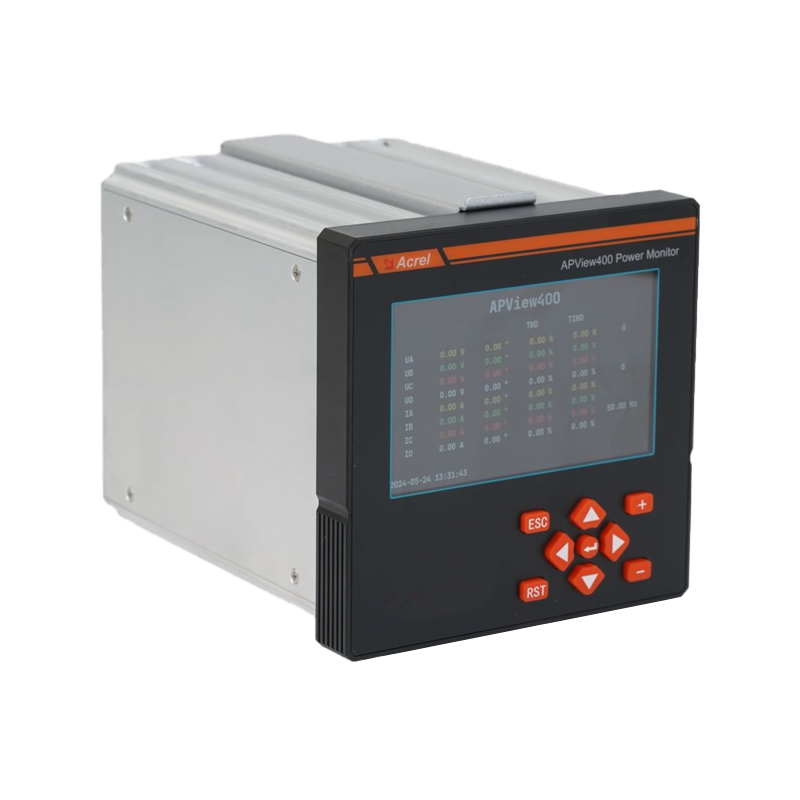 Part 1: Introduction 1.1 What is Power Quality and Why is it Important? In modern society, a stable ...View More
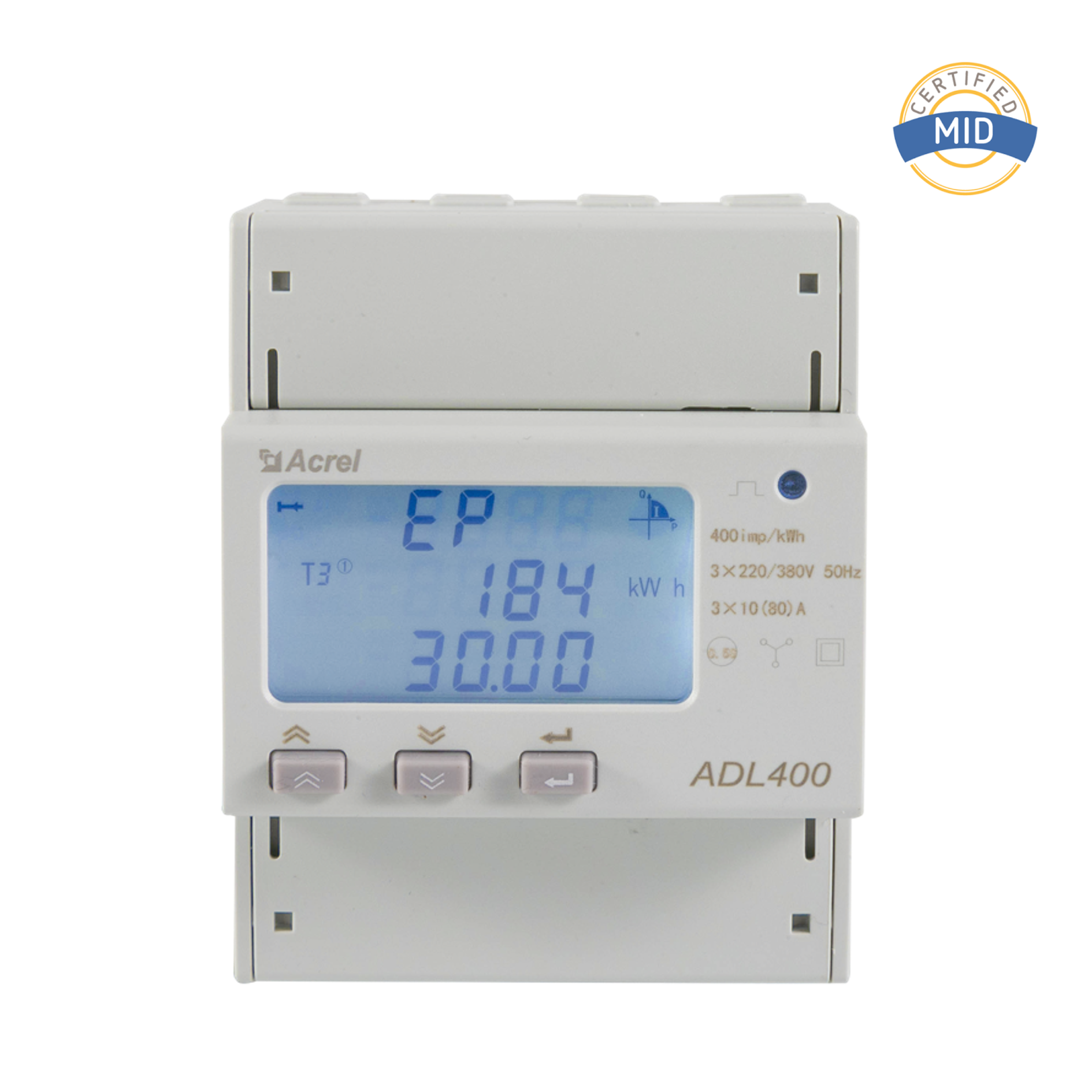 Introduction to AC Energy Meters In today’s rapidly evolving energy sector, accurate measurement and...View More
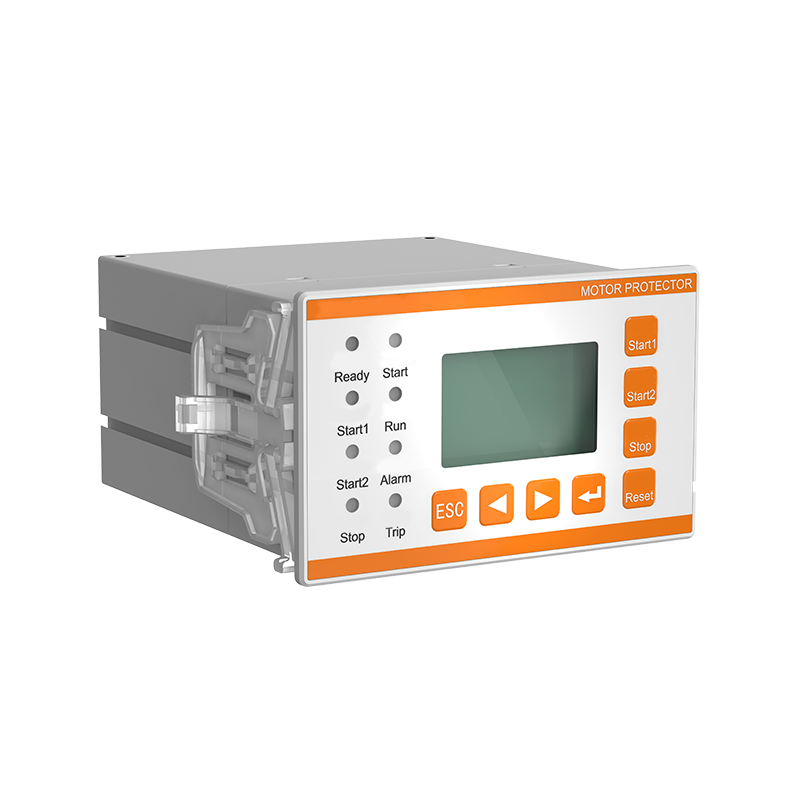 I. Introduction: The Critical Need for Motor Protection Electric motors are the undisputed workhorse...View More
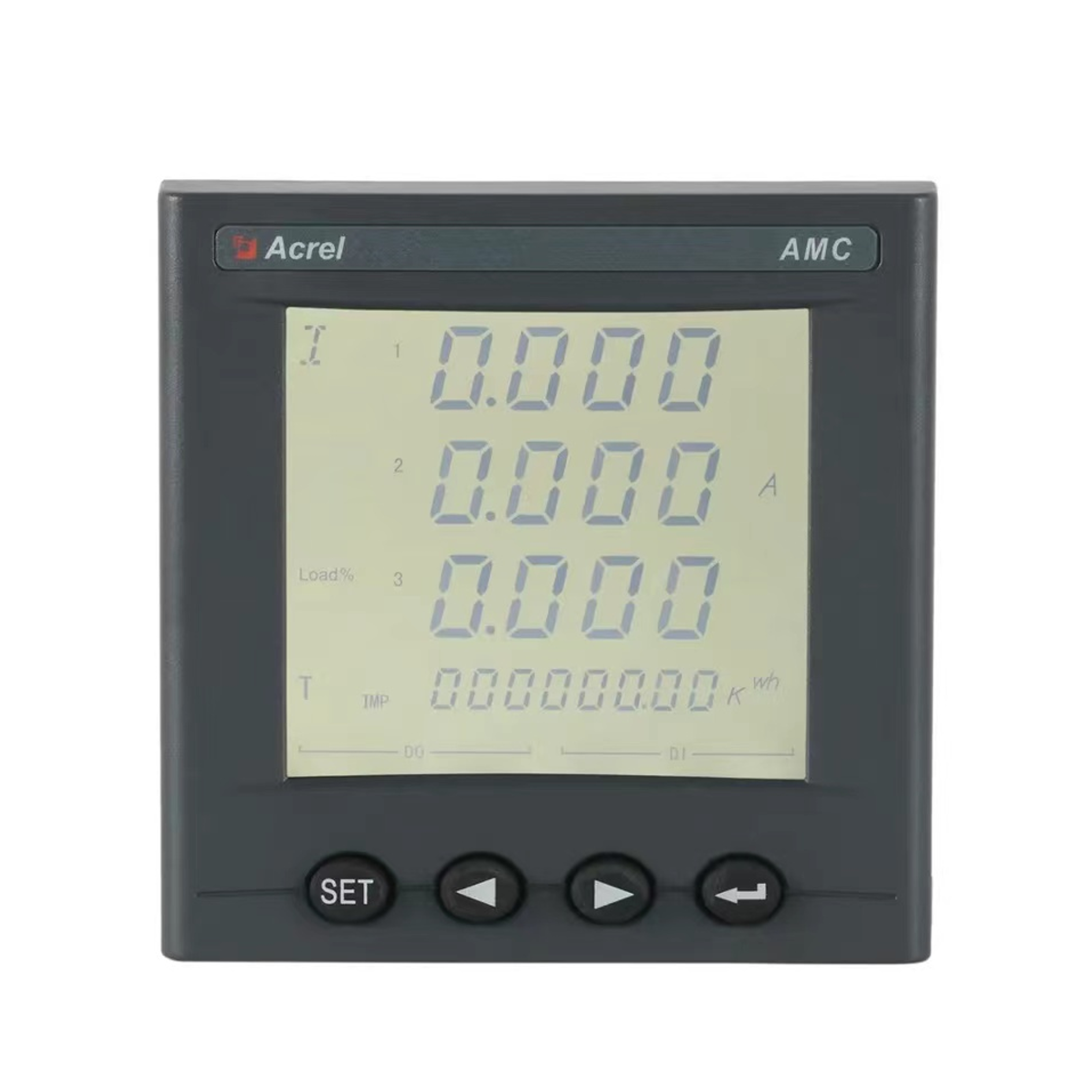 Introduction In modern industrial and commercial power environments, precise measurement and managem...View More

 Email: [email protected]
 Phone: +86-18702106858 / +86-21-69156352




