

 English
 Deutsch
No.253 Yulv Road, Jiading District, Shanghai, PRC 201801
-
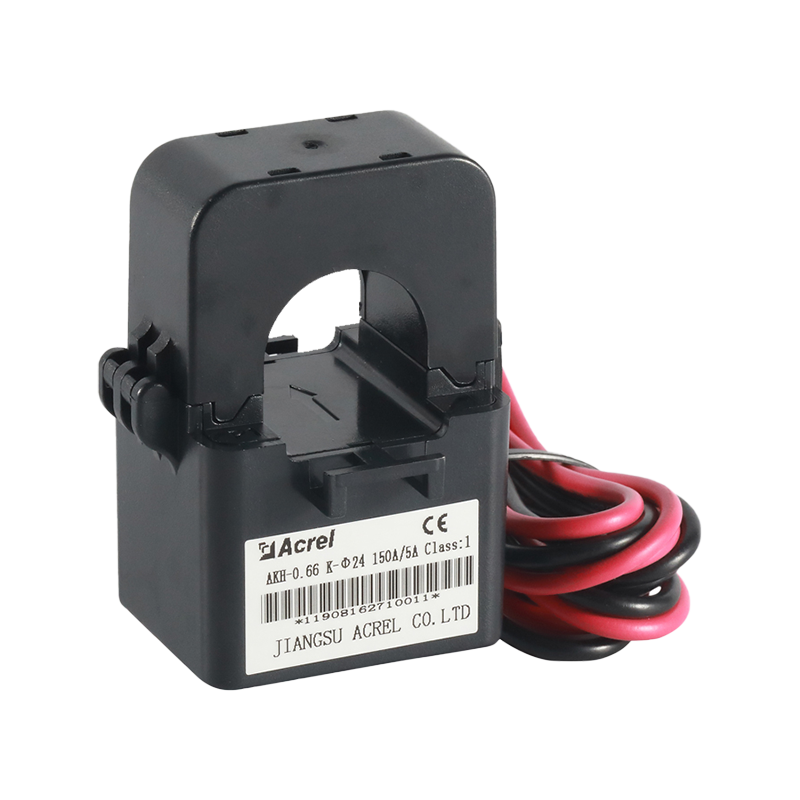 Current Transformer Troubleshooting: Common CT Faults and Effective FixesWhen a current transformer (CT) begins to under-report, overheat, or cause relays to trip at the wrong time, the most effective response is to stop replacing parts and start isolating the circuit. This current transformer troubleshooting guide is arranged the way a field engineer would actually work: start with the most dangerous condition, then move from electrical checks to mechanical and envir...
 -
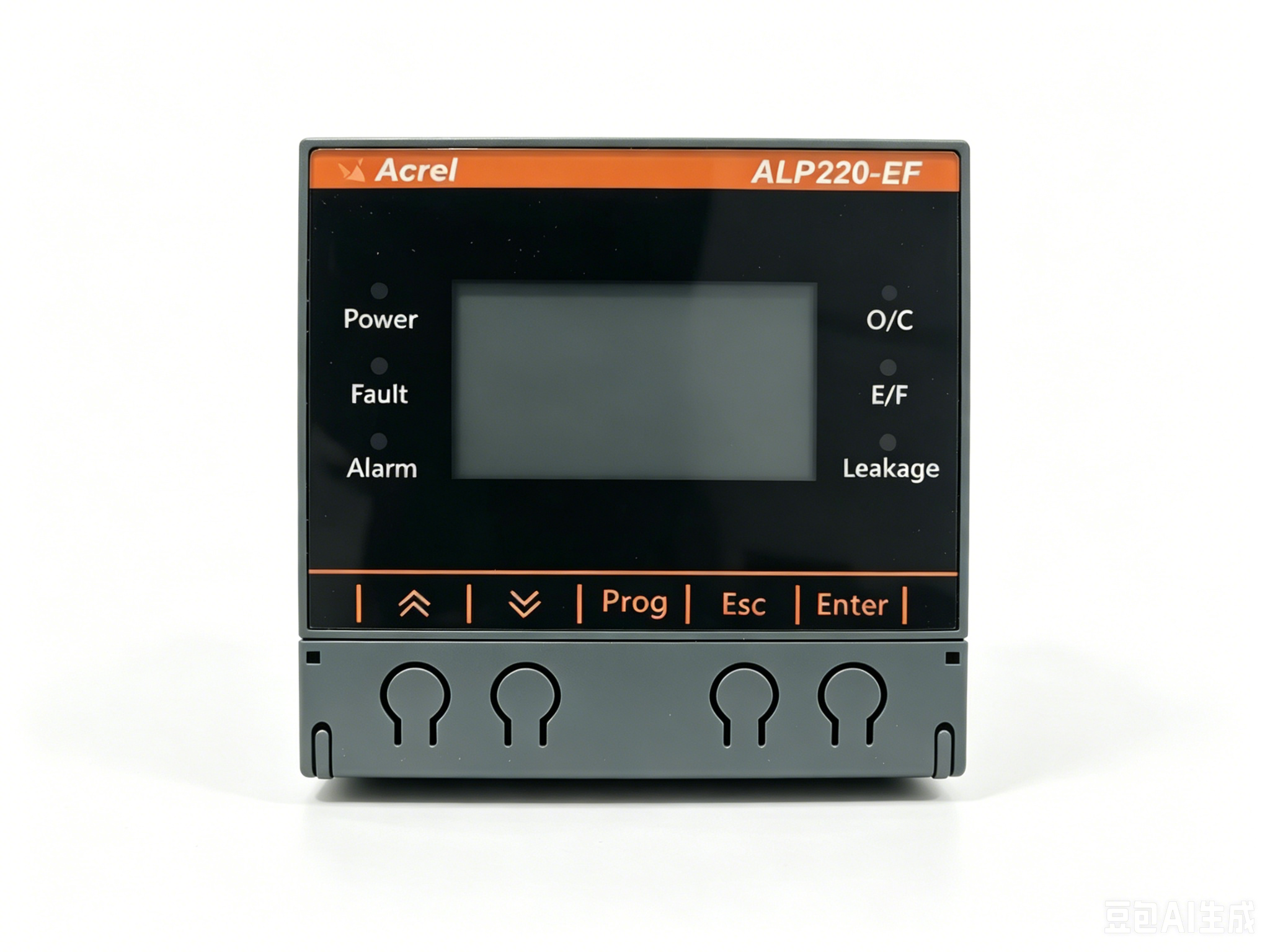 ALP220-EF: Integrated Earth Fault & Overcurrent Protection for Modern Low-Voltage DistributionThe Quiet Crisis in Low-Voltage Protection Earth faults and overcurrent events are among the most common and most costly faults in any low-voltage distribution system. A single insulation breakdown can lead to equipment destruction, fire, or extended downtime. Yet many distribution panels still rely on outdated protection architectures: separate overcurrent relays and separate earth fault relays, ...
 -
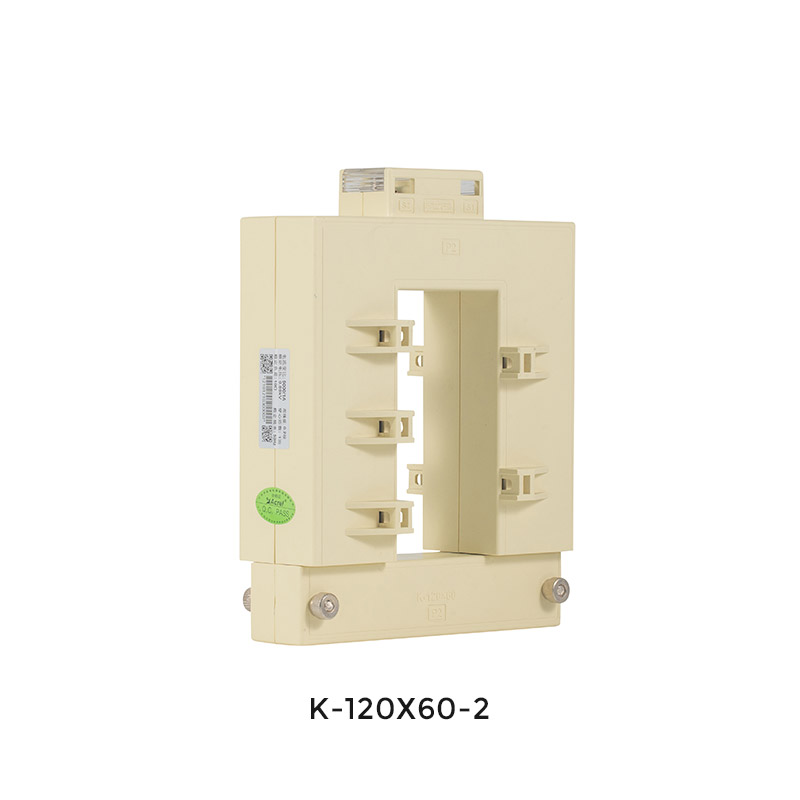 How to Choose a Current Transformer: Key Ratings, Accuracy, Window, BurdenWhen a tenant submeter needs to be added to a 400 A low-voltage feeder, the first instinct is to pick a current transformer (CT) with a large window and a high amp rating. That instinct often creates more problems than it solves. The selection process is best done in a fixed order: check the actual primary current range, choose the secondary output and burden, select the core construction and win...
 -
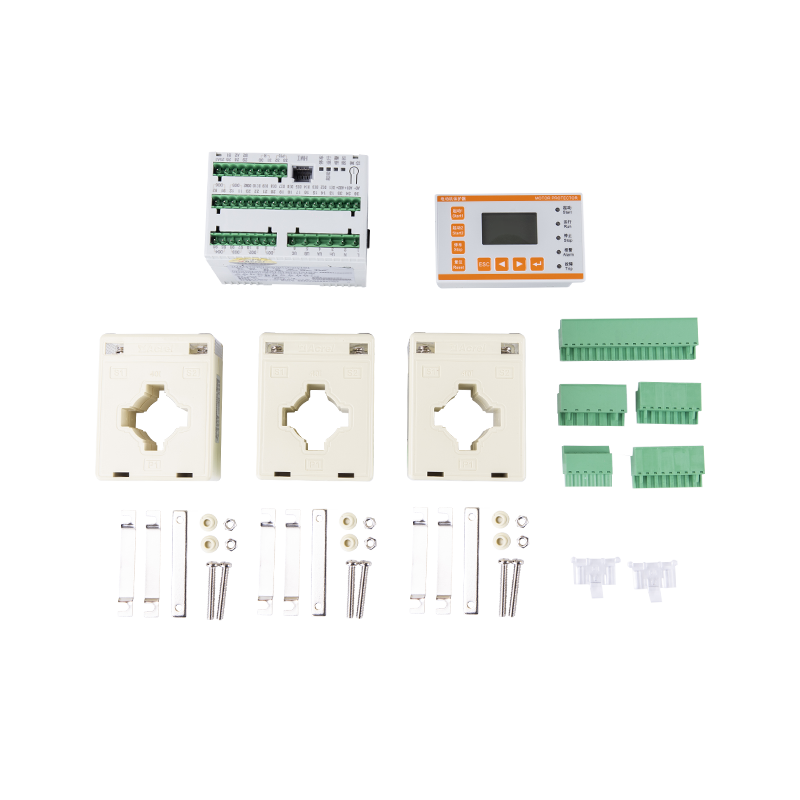 Protective Relays: Types, Operation, and Selection Guide for Power SystemsOne faulty breaker, one overloaded feeder, one ground fault in the wrong place — that is all it takes to turn an ordinary operating day into a shutdown, an equipment failure, or a safety incident. A protective relay is the device that stops that escalation. It watches current, voltage, and frequency continuously, and when it sees a condition outside the expected envelope, it sends a trip command ...
 -
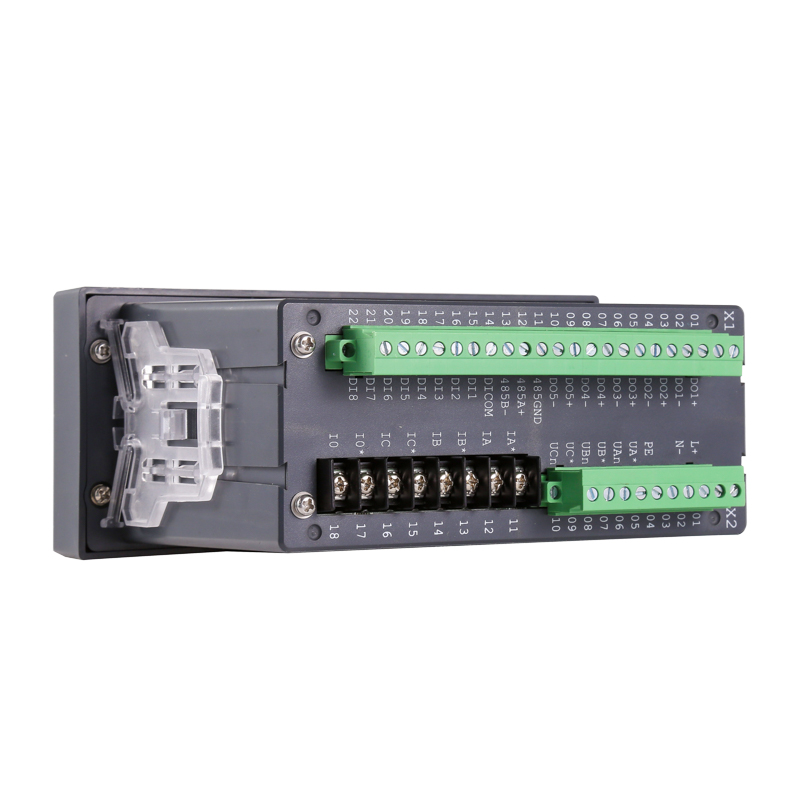 24V to 120V Relay Selection Guide: Specifications, Applications and Installation TipsWhy You Need a 24V to 120V Relay A newly installed production line is ready to run. The PLC outputs are 24V DC. The solenoid valves, indicator lamps, and small motors on the line operate at 120V AC. Without a correctly specified 24V to 120V relay, the two circuits cannot talk to each other. The machine stops before it ever starts. The relay is the bridge, and choosing it correctly is the differen...
 -
24V to 120V Relay Selection Guide: Specifications, Applications and Installation TipsWhy You Need a 24V to 120V Relay A newly installed production line is ready to run. The PLC outputs are 24V DC. The solenoid valves, indicator lamps, and small motors on the line operate at 120V AC. Without a correctly specified 24V to 120V relay, the two circuits cannot talk to each other. The machine stops before it ever starts. The relay is the bridge, and choosing it correctly is the differen...

 Email: [email protected]
 Phone: +86-18702106858 / +86-21-69156352
ADDRESS





