

 English
 Deutsch
IEEE 802.11ah Standard
Data Tranfer Unit (DTU)
Dual Model Stracture (AP/STA)
CE Certificated
Downstream RS485 Communication
Max. Access 25 Devices
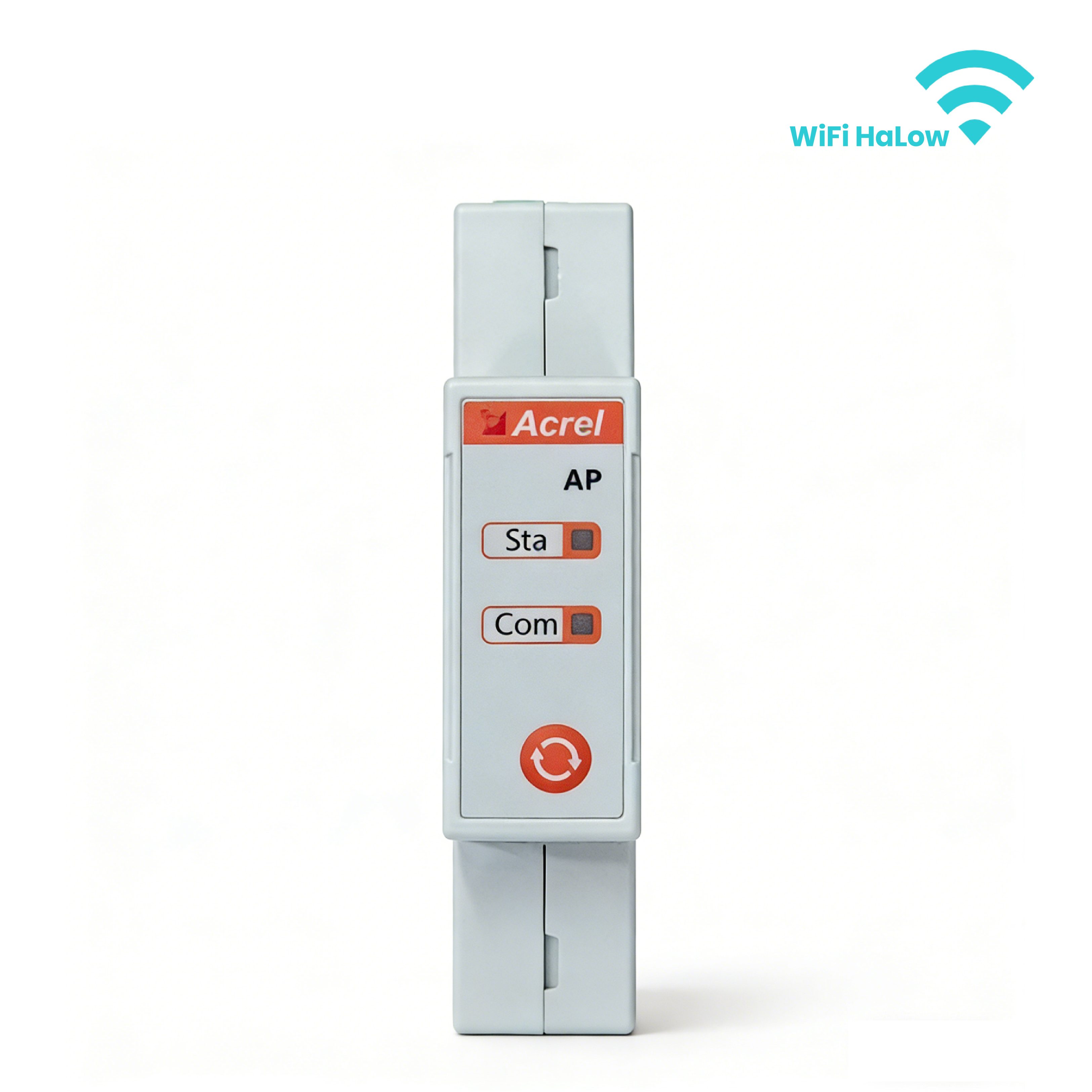
IEEE 802.11ah Standard
Data Tranfer Unit (DTU)
Dual Model Stracture (AP/STA)
CE Certificated
Downstream RS485 Communication
Max. Access 25 Devices
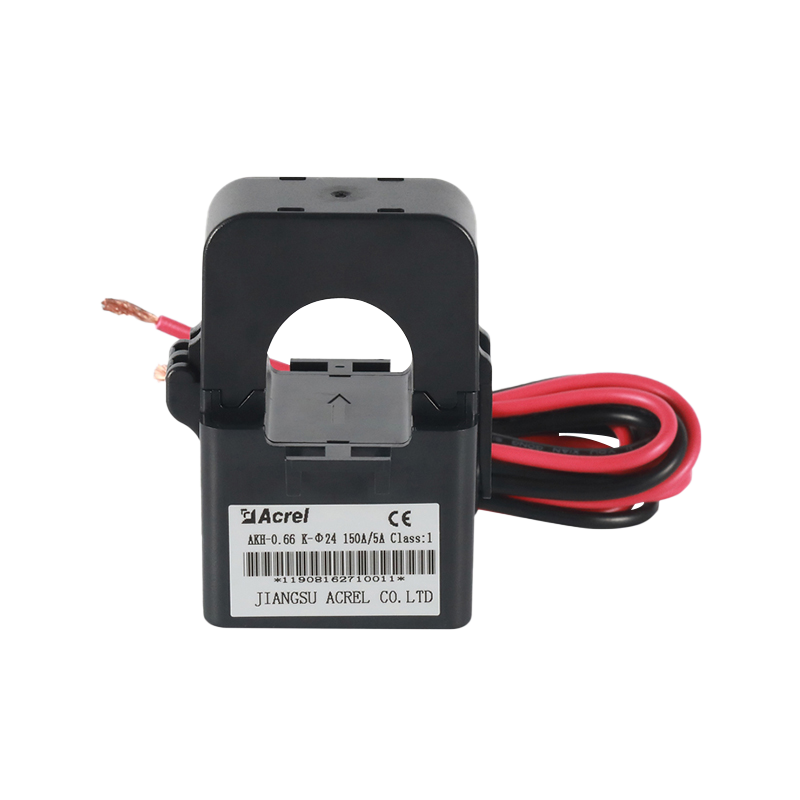
Split Core Clamp on Installtion
High Accuracy Class 0.5
120A/40mA Ratio
Measurement of current (I)
Application: Renovation Projects、Solar PV Projects
Split Core Clamp on Installtion
High Accuracy Class 0.5
200A/120mA Ratio
Measurement of current (I)
Application: Renovation Projects、Solar PV Projects
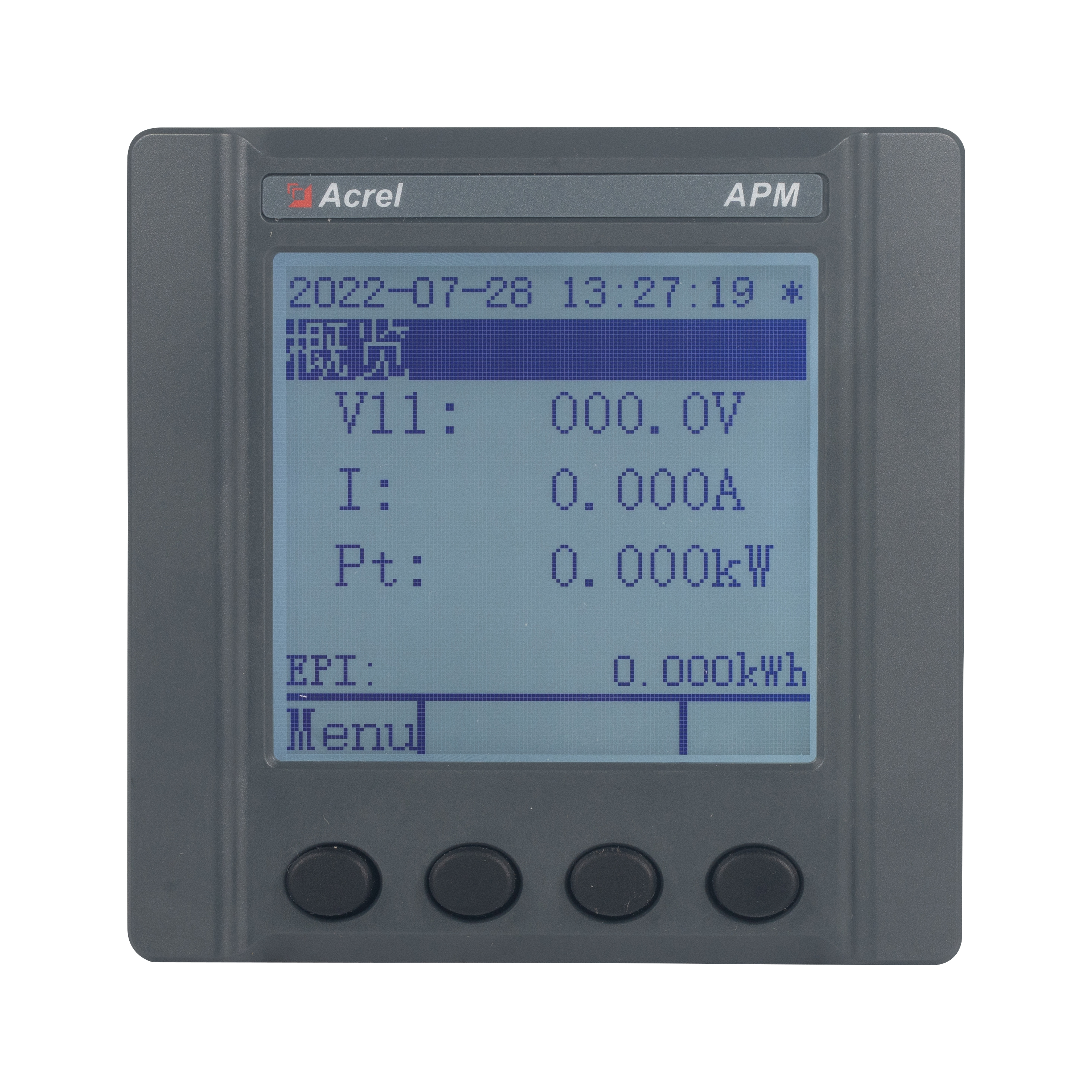
Ethernet Communication
Rated Voltage AC 1140V
High Accuracy Class 0.2S
Panel Mounted Installation
2DI/1DO
RS485 Communication
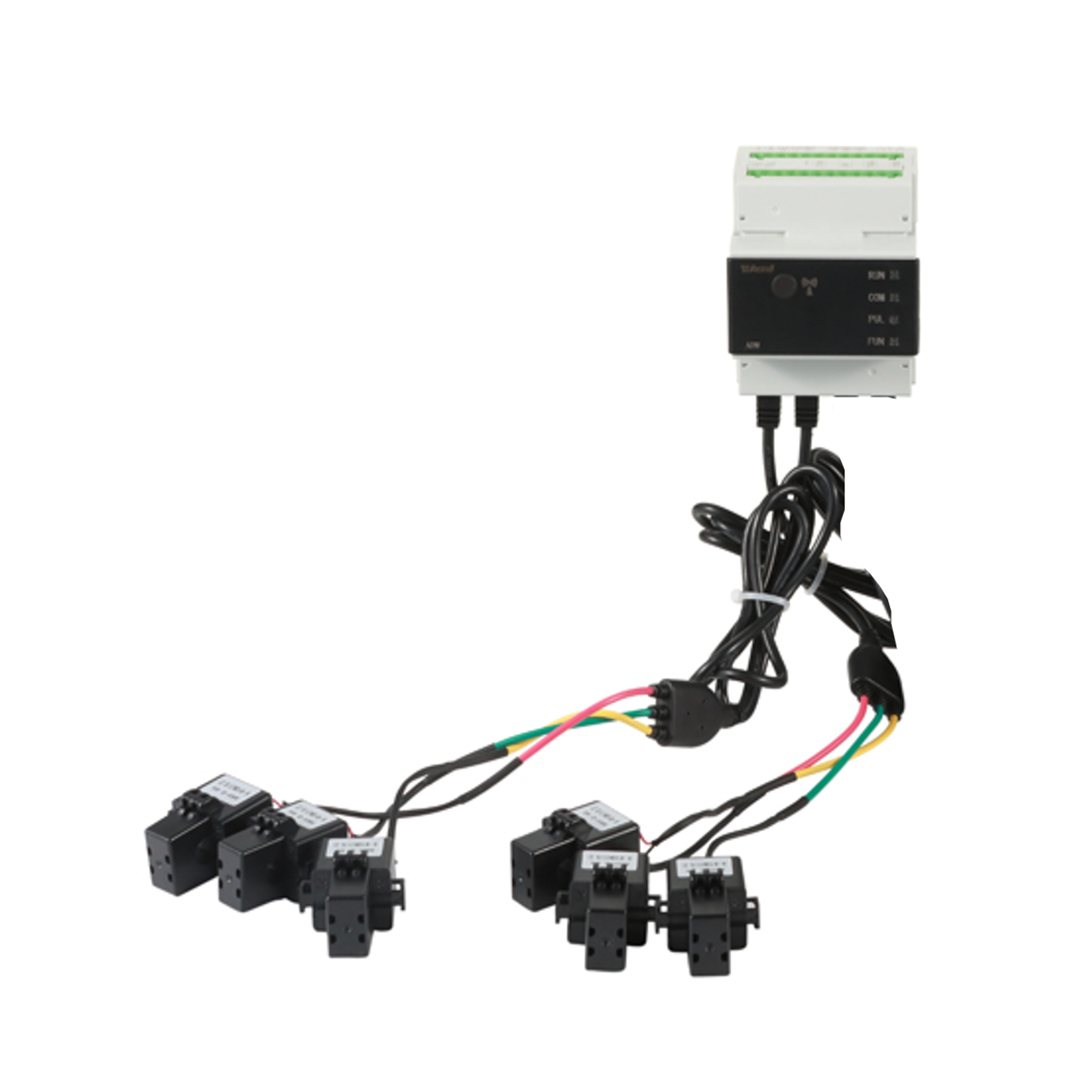
Dual Circuits Three Phase Measurement
Equipped with 3-in-1 Split Core CTs
RJ12 Connection, Easy Installation
Rated Current: 100A
CE Certificated
Application: Renewbale Energy
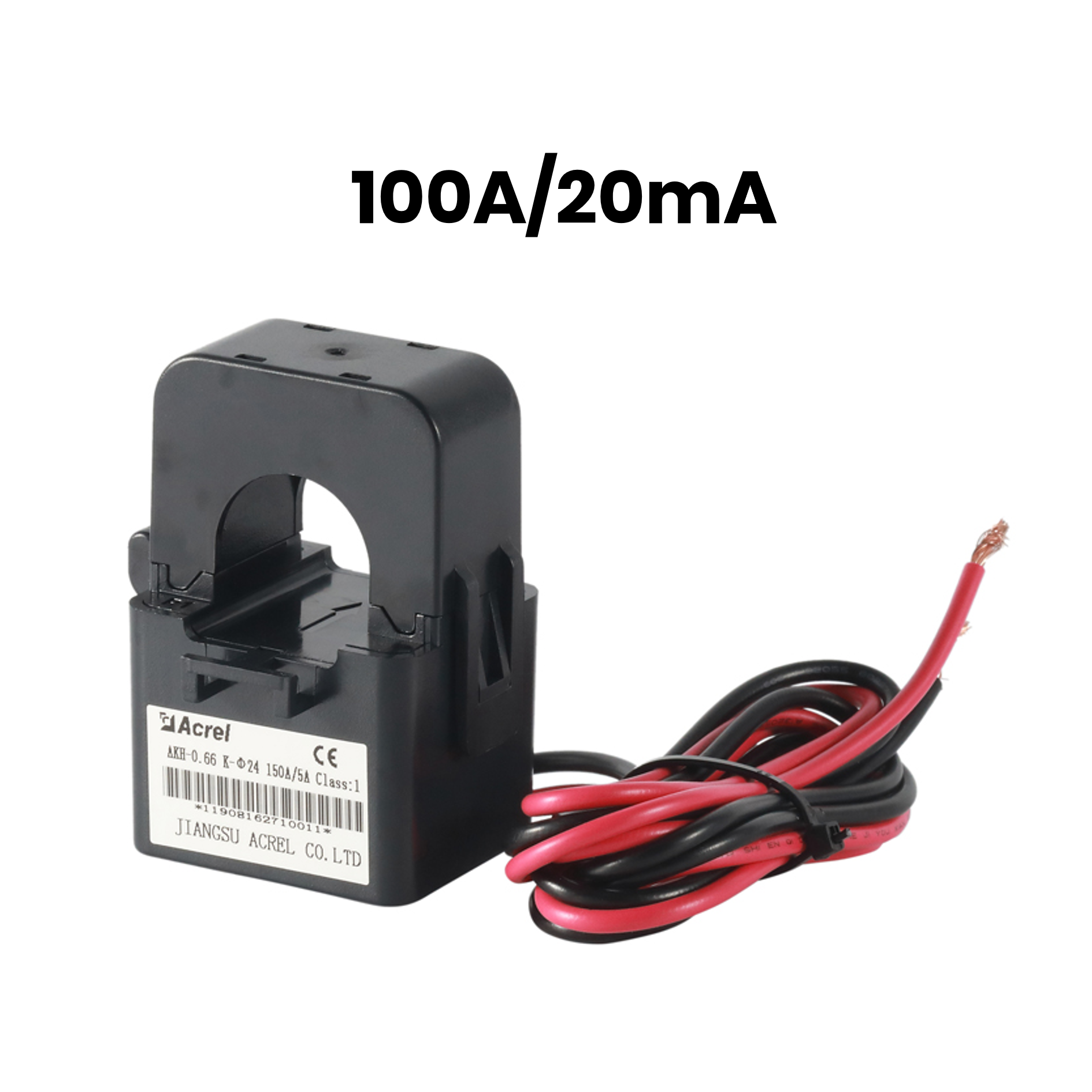
Split Core Clamp on Installtion
High Accuracy Class 0.5
100A/20mA Ratio
Measurement of current (I)
Application: Renovation Projects、Solar PV Projects
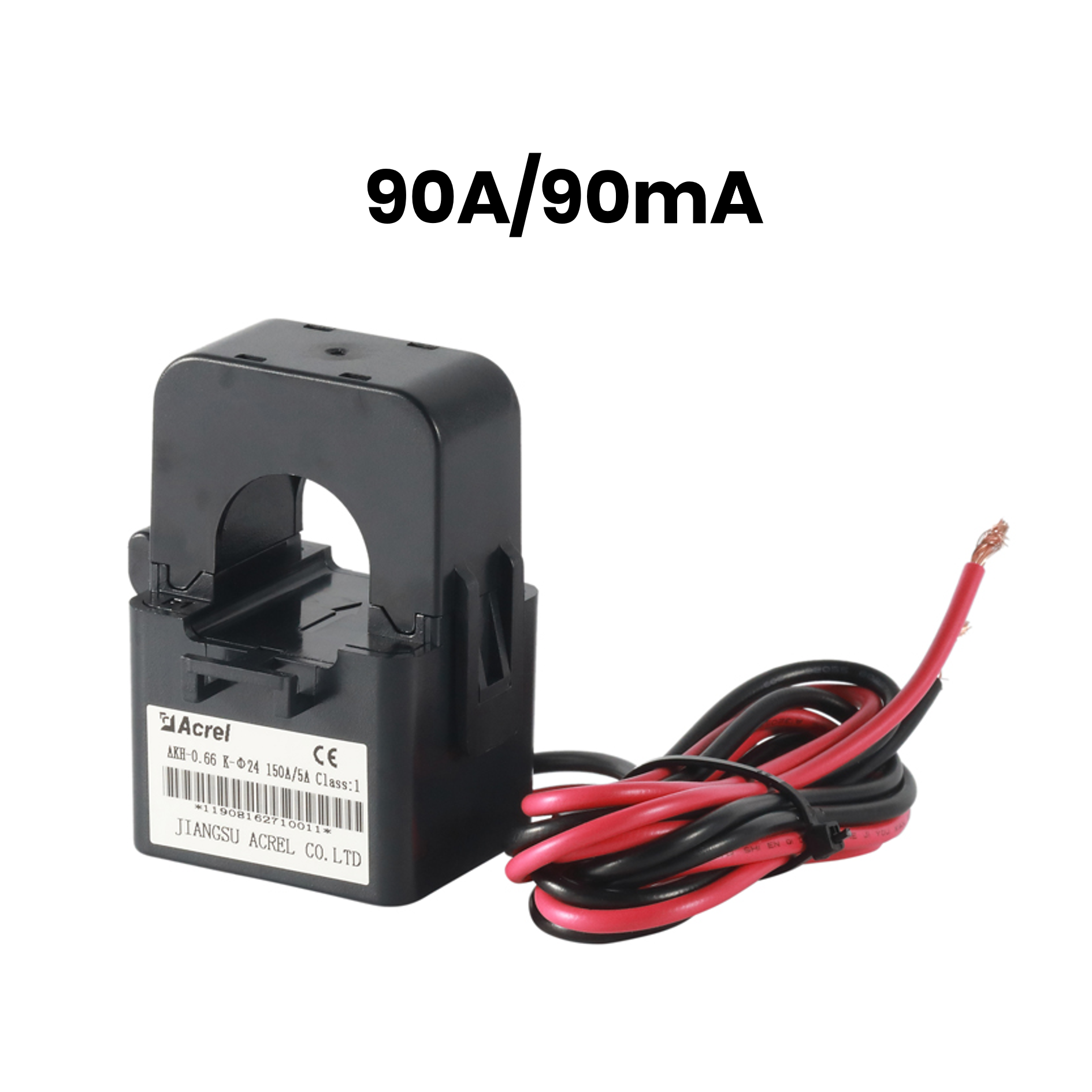
Split Core Clamp on Installtion
High Accuracy Class 0.5
90A/90mA Ratio
Measurement of current (I)
Application: Renovation Projects、Solar PV Projects
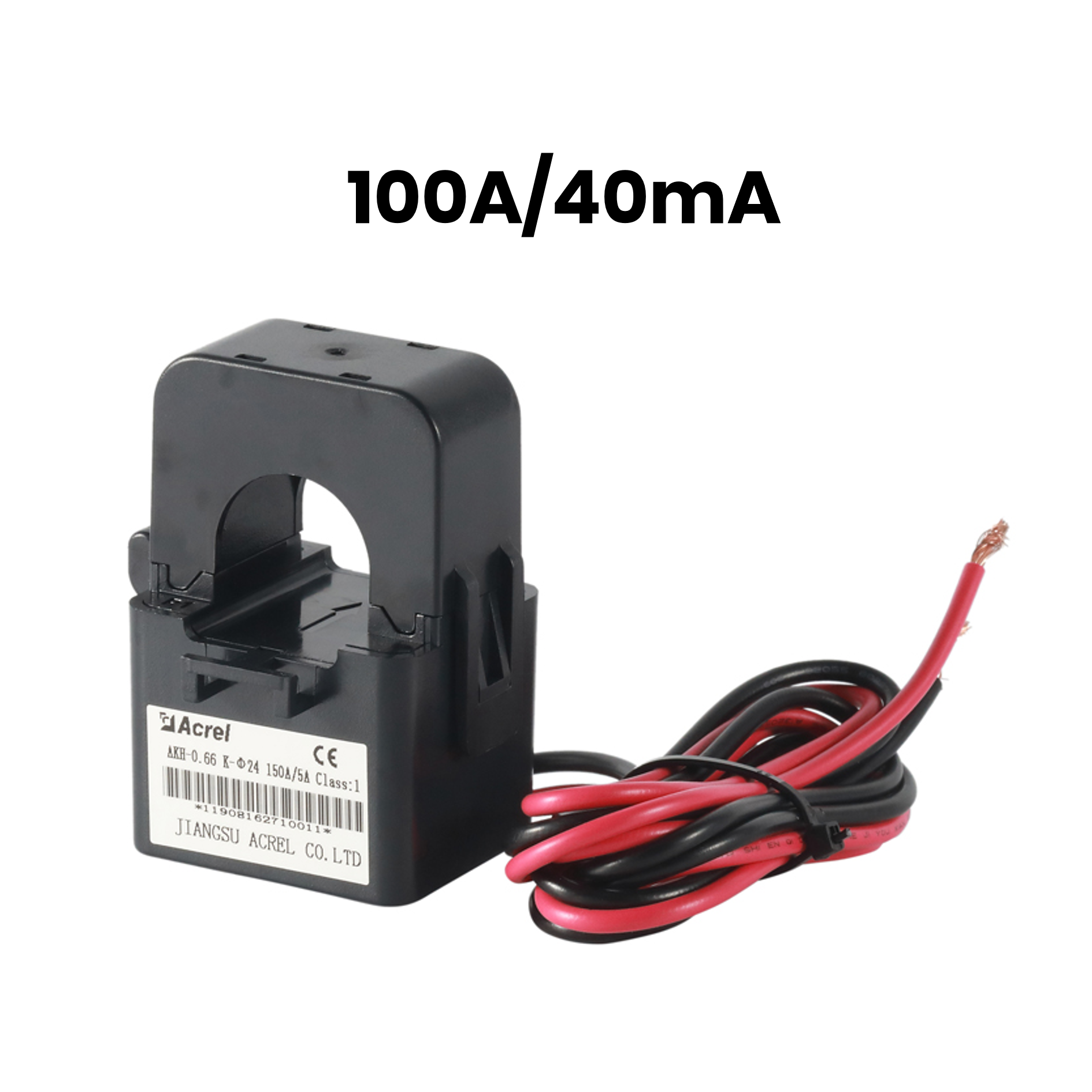
Split Core Clamp on Installtion
High Accuracy Class 0.5
100A/40mA Ratio
Measurement of current (I)
Application: Renovation Projects、Solar PV Projects
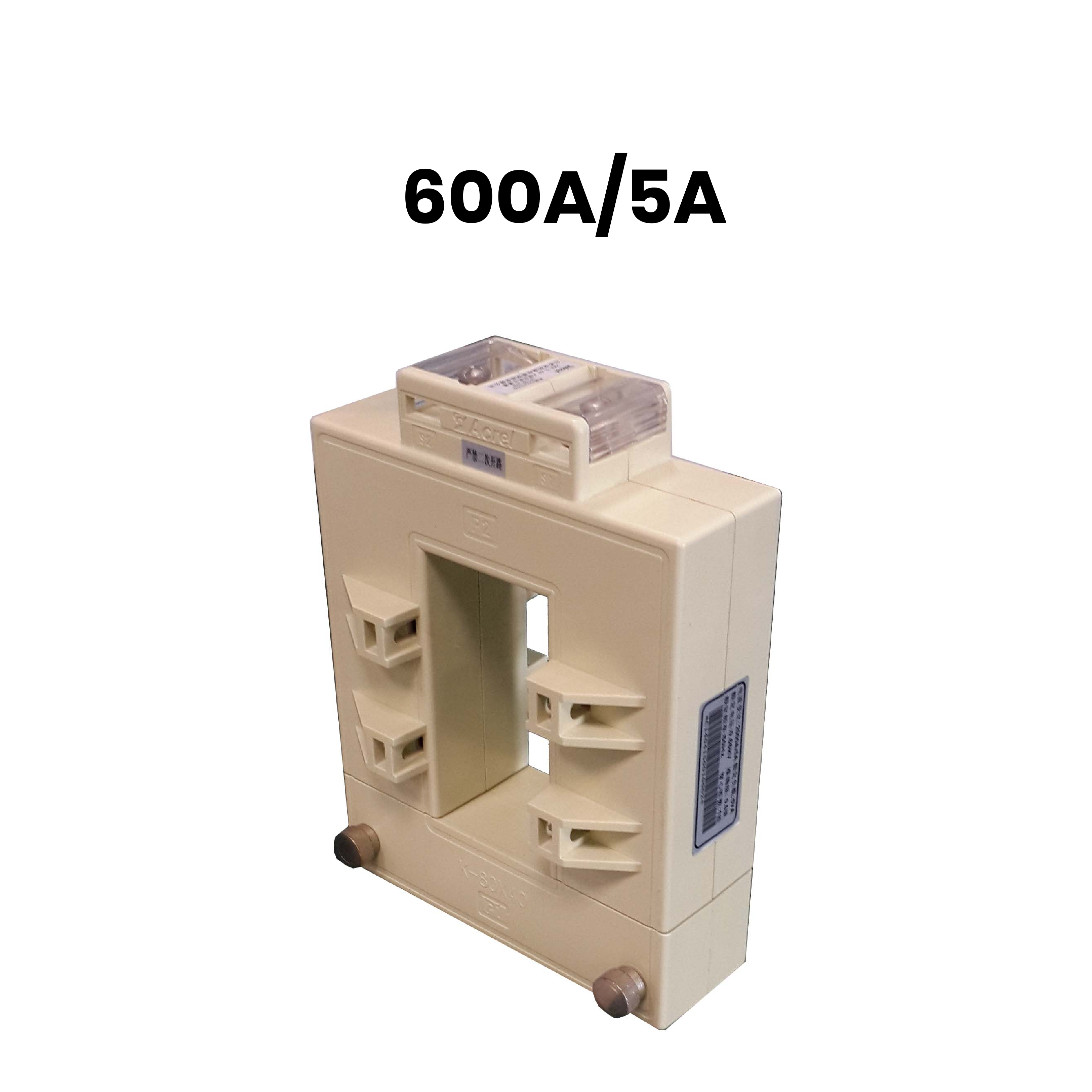
Split Core
Current Input 800A
Current Output 5A
Measurement of current (I)
Application: Solar/Energy Storage Inverter
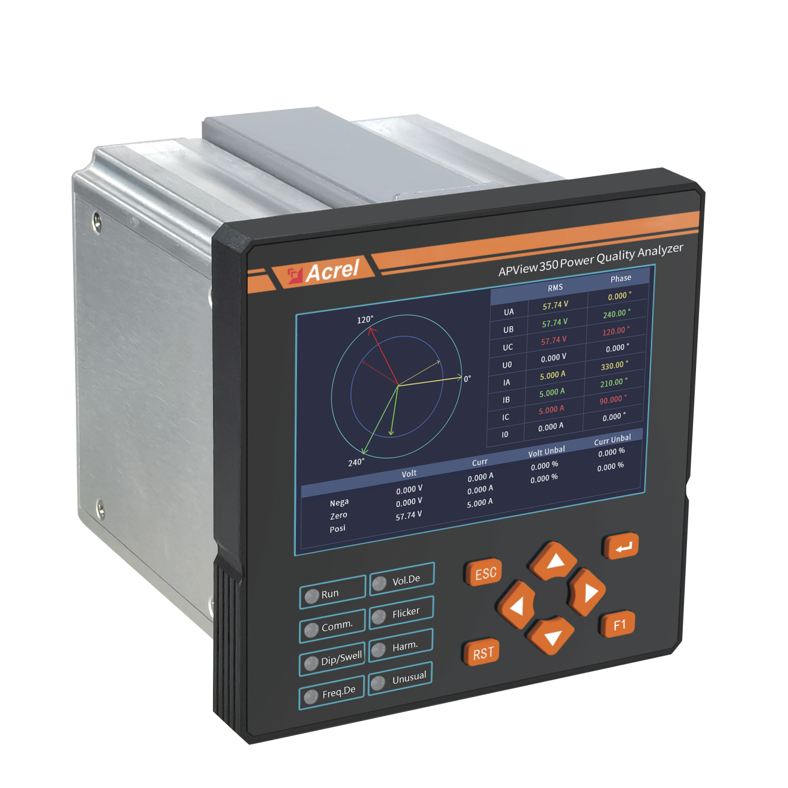
IEC61000-4-30 Ed3 Class A Certificate
IEC60253-22 Class 0.2S
Disturbance Waveform Recording
Disturbance Direction Detection
2000+ Waveform Recording
5000+ SOE Recording
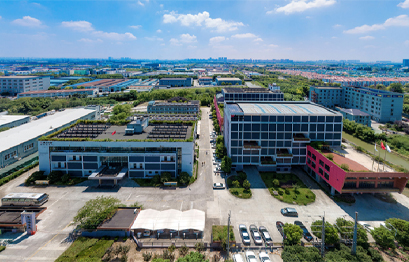

Founded in 2003, Acrel Co., Ltd.【Stock Code: 300286.SZ】 is a high-tech enterprise specializing in energy management solutions and electrical safety. Headquartered in Shanghai, Acrel offers innovative and sustainable solutions for microgrid energy efficiency and electrical safety. With over 600 patents and software copyrights, Acrel has deployed more than 28,000 system solutions globally, forming a comprehensive "cloud-edge-end" energy internet architecture.
Acrel Co., Ltd. is China
Digital Energy Meters Company and
Electricity Energy Meters Suppliers. Acrel's integrated product ecosystem spans from cloud platform software to end-user components, covering sectors such as power, renewable energy, data centers, smart buildings, transportation, and smart cities. These solutions enable intelligent, real-time energy management, enhancing energy security and reducing operational costs. We offer
Power Monitoring and Measurement Device for sale.
The company's production facility, Jiangsu Acrel Electric Manufacturing Co., Ltd., adheres to strict quality standards and environmental guidelines, with advanced testing centers and a commitment to lead-free production processes. Acrel's team of over 500 engineers delivers cutting-edge energy efficiency systems and smart energy solutions.
With a strong domestic presence, Acrel is actively expanding internationally, supported by a global network of sales and technical teams and an e-commerce platform that ensures seamless service experiences worldwide. Acrel is proud to help businesses improve efficiency, reduce consumption, and achieve sustainability goals.
Together, we are building a smarter, greener future.

Authorized Patents
0+
Number of Customers Served
0+
Total Employees
0+
Manufacturing Base
0m²Empowering businesses with our robust capabilities.
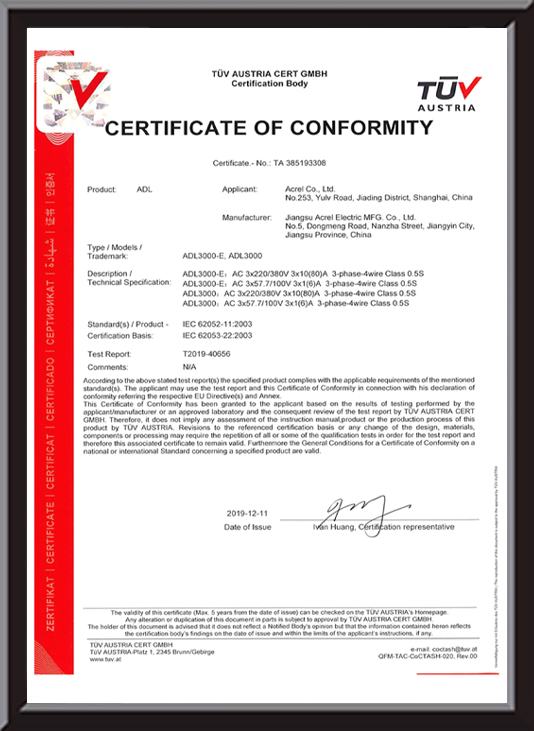
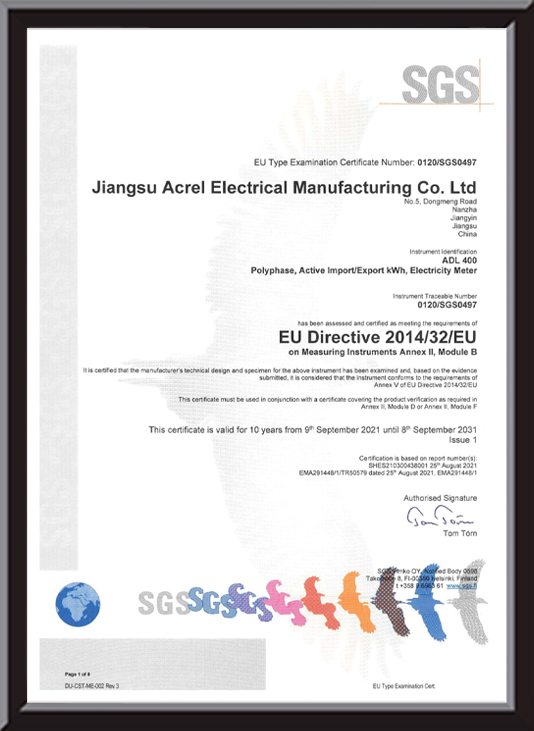
When a current transformer (CT) begins to under-report, overheat, or cause relays to trip at the wrong time, the most effective response is to stop replacing parts and start isola...
Read MoreThe Quiet Crisis in Low-Voltage Protection Earth faults and overcurrent events are among the most common and most costly faults in any low-voltage distribution system. A single ins...
Read MoreWhen a tenant submeter needs to be added to a 400 A low-voltage feeder, the first instinct is to pick a current transformer (CT) with a large window and a high amp rating. That in...
Read MoreOne faulty breaker, one overloaded feeder, one ground fault in the wrong place — that is all it takes to turn an ordinary operating day into a shutdown, an equipment failure, or a...
Read MoreSignal Conditioning: The scaled-down analog signals from the sensors are passed through filters to remove noise and then fed into an Analog-to-Digital Converter (ADC).
Digital Conversion: The ADC converts the continuous analog signals (sine waves) into discrete digital values that a microprocessor can understand.
Computation: This is the core of the device. The microprocessor, following predefined algorithms, performs calculations on these digital values. The most basic calculation is active energy (kWh), which is the integral of power (voltage * current) over time. Modern meters also calculate:
Reactive Energy (kVARh): Crucial for understanding inefficient power use in inductive loads like motors.
Apparent Energy (kVAh): The vector sum of active and reactive power.
Power Factor (PF): The ratio of active power to apparent power, a key indicator of efficiency.
Harmonic Distortion: Measurement of unwanted frequencies on the electrical waveform caused by non-linear loads like computers and LED lights.
Real-time Power Quality Analysis: Monitoring voltage sags, swells, transients, and frequency variations that can damage sensitive equipment.
Load Profiling: Creating detailed charts of energy usage patterns over time to identify waste and opportunities for optimization.
Demand Monitoring: Tracking the maximum power (kW) used in a specific interval, which is a critical factor for commercial and industrial electricity bills.
Predictive Maintenance: By analyzing energy consumption patterns, these systems can detect anomalies that signal impending equipment failure, allowing for maintenance before a costly breakdown occurs.

 Email: [email protected]
 Phone: +86-18702106858 / +86-21-69156352
No.253 Yulv Road, Jiading District, Shanghai, PRC 201801


Copyright © Acrel Co., Ltd. All rights reserved.Privacy
Power Monitoring and Measurement Device Company



