

 English
 Deutsch
News
Elevator Energy Feedback Metering Solution
Elevators are typical potential energy loads. Under the following three specific working conditions, the elevator traction machine (motor) transforms from a power-consuming state to a generator state, producing regenerative electric energy.
- Heavy-load downward travel: The car weight exceeds the counterweight, gravity pulls the car downward, and the motor is driven to rotate and generate power.
- Light-load/Empty-load upward travel: The counterweight is heavier than the car, pulling the car upward, and the motor is similarly driven in reverse to generate power.
- Deceleration braking: The elevator decelerates until it stops before reaching the target floor, releasing massive mechanical kinetic energy.
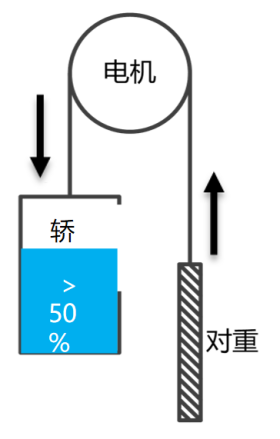
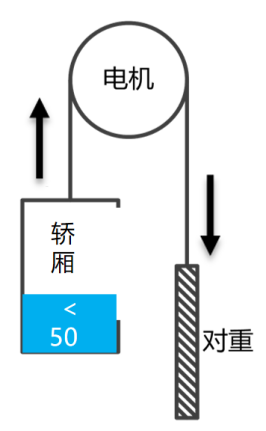
Figure 1: Schematic diagram of elevator generating conditions
Based on elevator usage frequency, adding an energy feedback device results in an average power saving rate of 30% per elevator, with peaks reaching over 40%, which is of significant importance for energy efficiency in modern buildings with high elevator volumes.
I. Energy Recovery Principle
In conventional elevators without modification, the generated electric energy causes the DC bus voltage of the frequency converter to rise. The system can only dissipate this energy as heat through a braking resistor, which not only consumes energy but also raises the machine room temperature, impacting equipment operation, as shown in Figure 2.
After adding an energy feedback device, energy recovery mainly consists of the following steps:
- Energy Capture: AC power generated by the elevator is first rectified into DC power by the frequency converter and stored in the DC circuit capacitor.
- Intelligent Inversion: When the DC bus voltage exceeds the set threshold, the energy feedback device (core components include IGBT full-bridge inverter and DSP microprocessor) activates prior to the braking resistor, converting DC into three-phase AC power with the same frequency, phase, and voltage as the low-voltage grid.
- Purification and Feedback: The inverted output current is purified through components like filtering reactors to eliminate harmonic pollution before being safely sent back to the building's AC power grid.
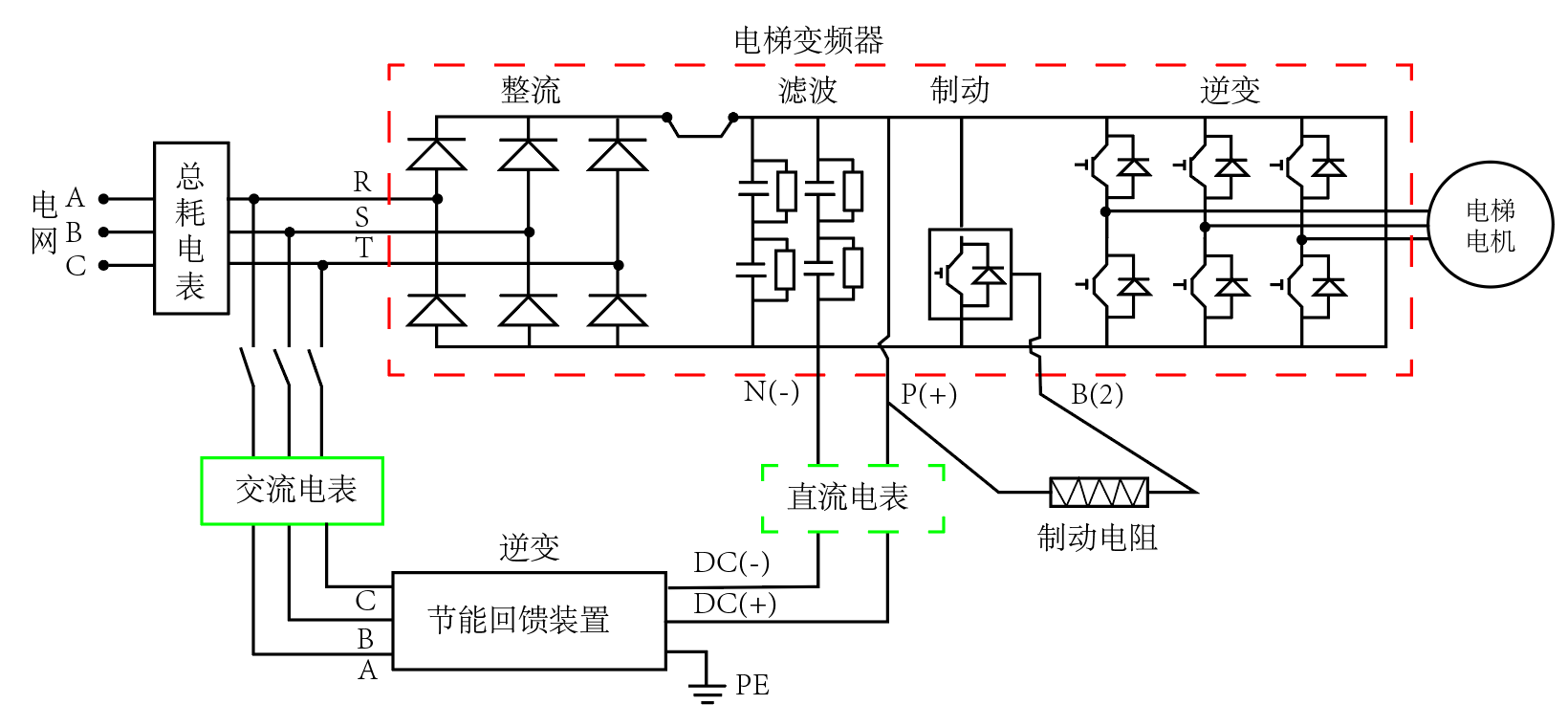
Figure 2: Schematic diagram of elevator energy recovery
II. Relevant Standard Requirements
A national standard dedicated to elevator energy feedback technology aims to regulate technical requirements, testing methods, and safety performance. It applies to variable-frequency speed-controlled elevators with uncontrollable rectification connected to TN-S systems with rated voltages of AC 400V and below. The standard specifies strict performance indicators:
- Efficiency Grading: Divided into three levels based on load; efficiency ≥85% at 25% load, ≥90% at 50% load, and ≥95% at 100% load.
- Power Quality (Harmonic Limits): The Total Harmonic Distortion (THDi) of the feedback current must not exceed 5%, with explicit limits for odd and even harmonic content.
- Power Factor: Not less than 0.90 when output power equals 50% of rated power.
- Safety and Protection: The device must feature comprehensive protection, including anti-islanding, over-voltage, under-voltage, short-circuit, open-circuit, and grid frequency anomaly protection.
The standard specifies test platform construction, testing conditions, and measurement methods, such as using high-precision bidirectional energy meters for synchronous metering on the DC side (input) and AC side (output) to calculate conversion efficiency.
III. Elevator Energy Feedback Metering Selection Scheme
In actual modification projects, meters must be deployed on both AC and DC sides to verify efficiency and power quality.
AC Grid-connected Side (Statistical energy consumption and feedback volume)
- Application: Elevator power distribution cabinet 3-phase 380V input or feedback grid-connection point.
- Purpose: Calculate total consumption from the grid and regenerative energy fed back to the grid to assess comprehensive energy-saving gains.
Wired Networking Scheme (Engineering standard):
Recommended model: DTSD1352 Three-phase Rail Energy Meter.
Features: Supports three-phase four-wire, 0.5S class four-quadrant bidirectional metering, paired with external split-core current transformers (CT), ideal for batch retrofitting in new residential or commercial elevators.
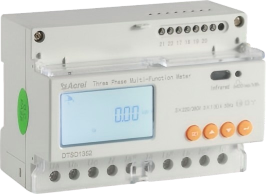
Figure 3: DTSD1352 Three-phase AC Rail Energy Meter
Wireless IoT Scheme (For difficult cabling):
Recommended model: ADW300 series wireless IoT energy meter.
Features: Optional 4G/WiFi modules, native support for TCP bidirectional transparent transmission. Data uploads directly to the platform, suitable for old residential areas or scattered elevators.
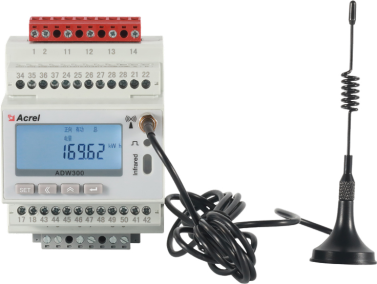
Figure 4: ADW300 Three-phase AC IoT Energy Meter
DC Feedback Bus Side (Precise regenerative DC metering)
- Application: DC bus side inside the energy feedback device (e.g., DC540V/750V bus).
- Purpose: Measure converter efficiency independently or, when paired with elevator energy storage systems (supercapacitors/lithium batteries), precisely meter the DC regenerative charging/discharging process.
Recommended model: DJSF1352-RN Bidirectional DC Rail Energy Meter.
Features: Voltage coverage DC 0-1000V, supports 75mV shunts or 0-20mA/0-5V/0-10V Hall sensors, capable of dual DC input, precision 0.5 or 1 class.
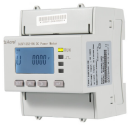
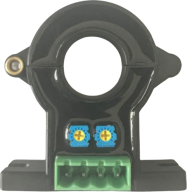
Figure 5: DJSF1352-RN DC Energy Meter and Hall Sensor
Data Acquisition Scheme
Recommended models: ANet-1E2SM-4G or AWT100-4G.
Features: Downstream acquisition of field devices via RS485 using standard protocols (e.g., Modbus-RTU), upstream wireless communication via 4G/WiFi or Ethernet, rail mounting.
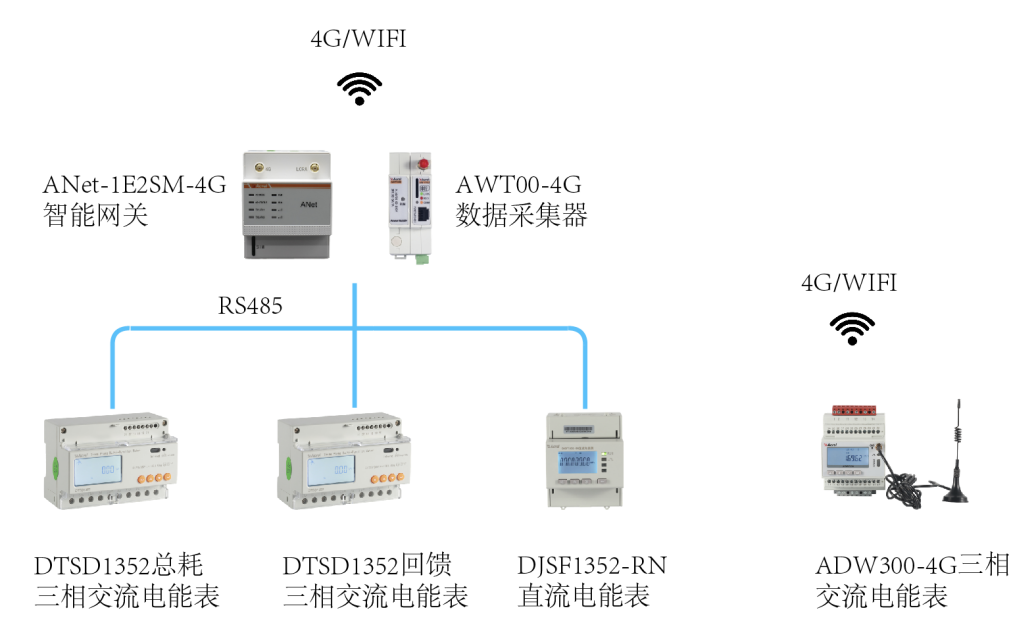
Figure 6: ANet-1E2SM-4G and AWT100-4G data acquisition scheme
IV. Elevator Energy Feedback Management System Solution
An IoT energy platform is an independently developed SaaS cloud platform supporting multi-protocol access and multi-terminal access, providing energy monitoring, efficiency analysis, power quality analysis, alarm management, and report generation, achieving remote visual management and intelligent analysis of elevator energy feedback. Users can complete data debugging by scanning a QR code via an App after installation, utilizing mobile or PC WEB terminals to obtain required data services. More information is available at Energy IoT Cloud Platform.
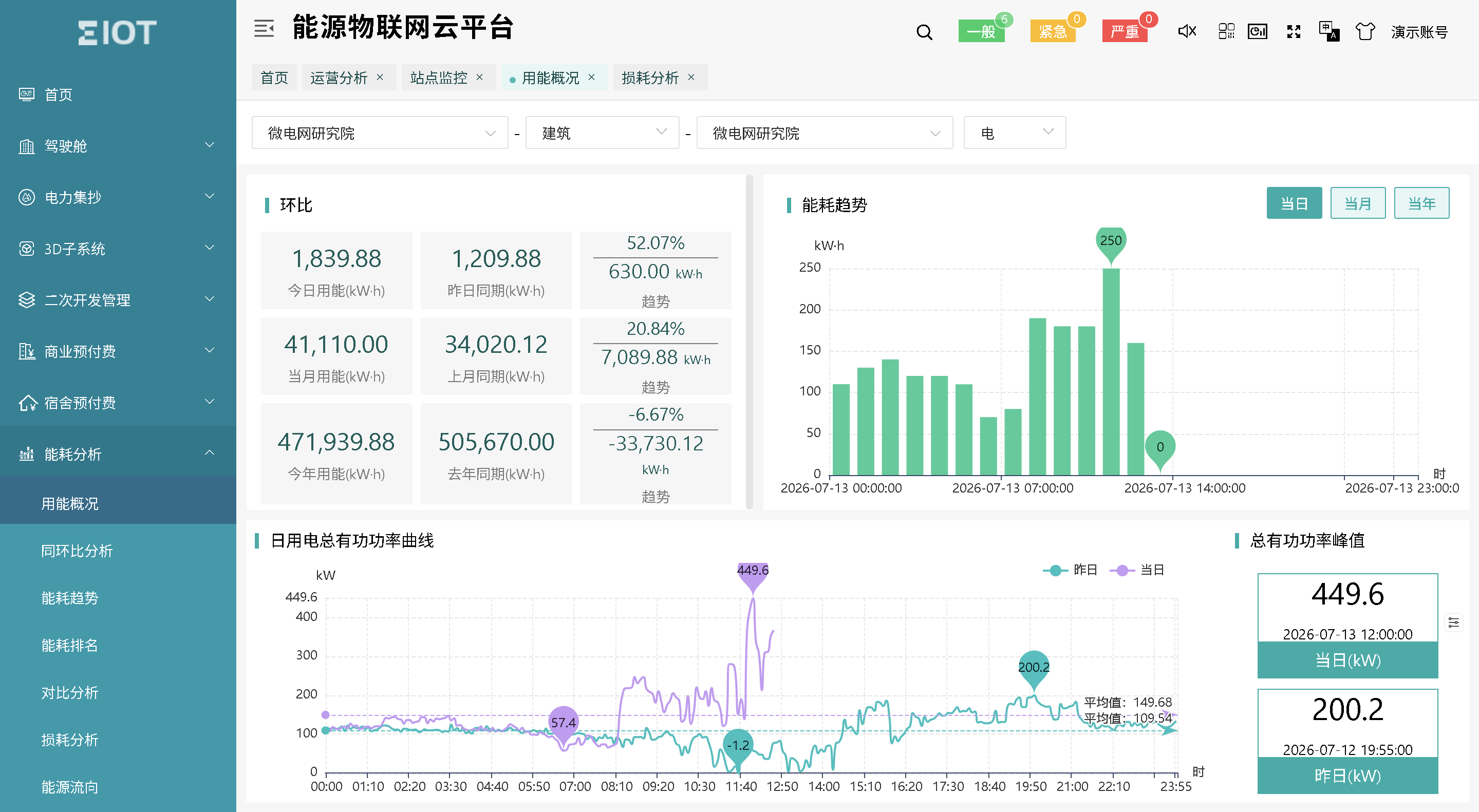
Figure 7: IoT Energy Cloud Platform
Elevator Energy Feedback Equipment Selection Table
| Product Image | Name | Model | Function | Application |
|---|---|---|---|---|
|
Three-phase AC Energy Meter | DTSD352 | Three-phase current, voltage, time-of-use energy, positive/negative energy statistics, multi-rate settings, precision 0.5S, RS485 interface. | Elevator distribution input or feedback point |
|
Multifunction Meter | ADW300 | Three-phase electrical parameters, time-of-use energy, split-core CT, hot-swappable, RS485, 4G wireless. Precision 0.5S class. | Elevator distribution input or feedback point |
|
DC Energy Meter | DJSF1352-RN | DC voltage, current, power, positive/negative energy, Hall sensor support. | Elevator converter DC output |
|
Hall Sensor | AHKC-EKA | DC 0-(5-500)A current measurement, DC 4-20mA output. | Matching DC energy meter |
 |
Smart Gateway | ANet-2E4SM | Embedded Linux, network socket support, data compression, AES/MD5 security, protocol support: Modbus, ModbusTCP, DL/T645, 101, 103, 104. | Adaptable to Acrel-EIOT or third-party platforms |
 |
Wireless Router | AWT100-4G | Data acquisition and 4G uplink, transparent transmission. |
Adaptable to Acrel-EIOT or third-party platforms |
|
Energy IoT Cloud Platform | Acrel-EIOT | It features functions such as data acquisition, data analysis, fault warning, data reporting, and equipment asset management. It supports APP-based QR code scanning for commissioning, which can basically achieve commissioning-free operation. |
Deployment options include private cloud deployment, public cloud deployment, and data hosting services. |
Product News
-
The "Stethoscope" of Power Systems: Why You Need a Power Quality Analyzer
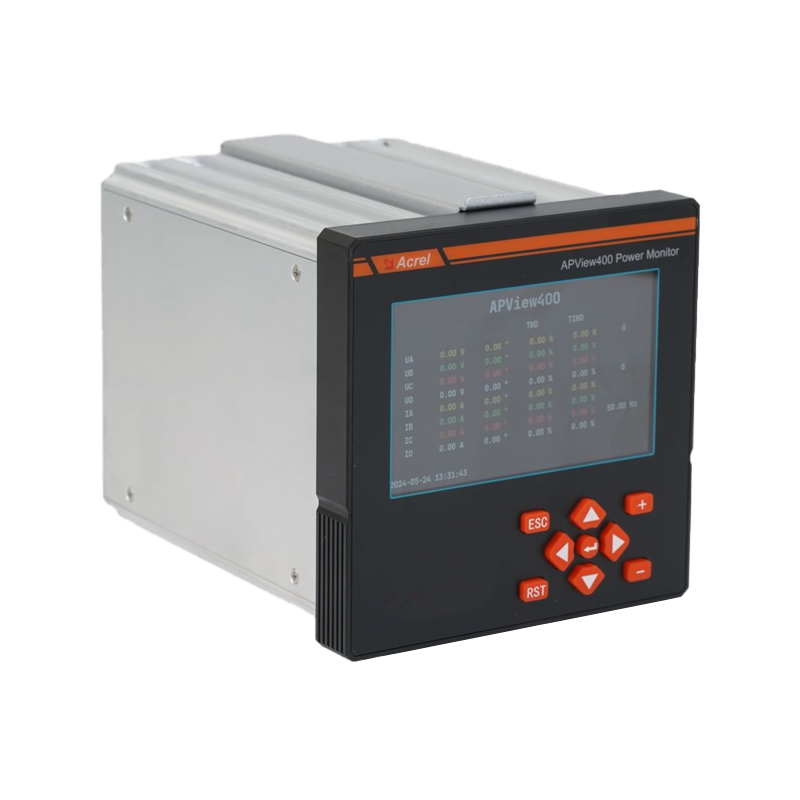 Part 1: Introduction 1.1 What is Power Quality and Why is it Important? In modern society, a stable ...View More
 -
Advancements and Applications of AC Energy Meters in Modern Power Management
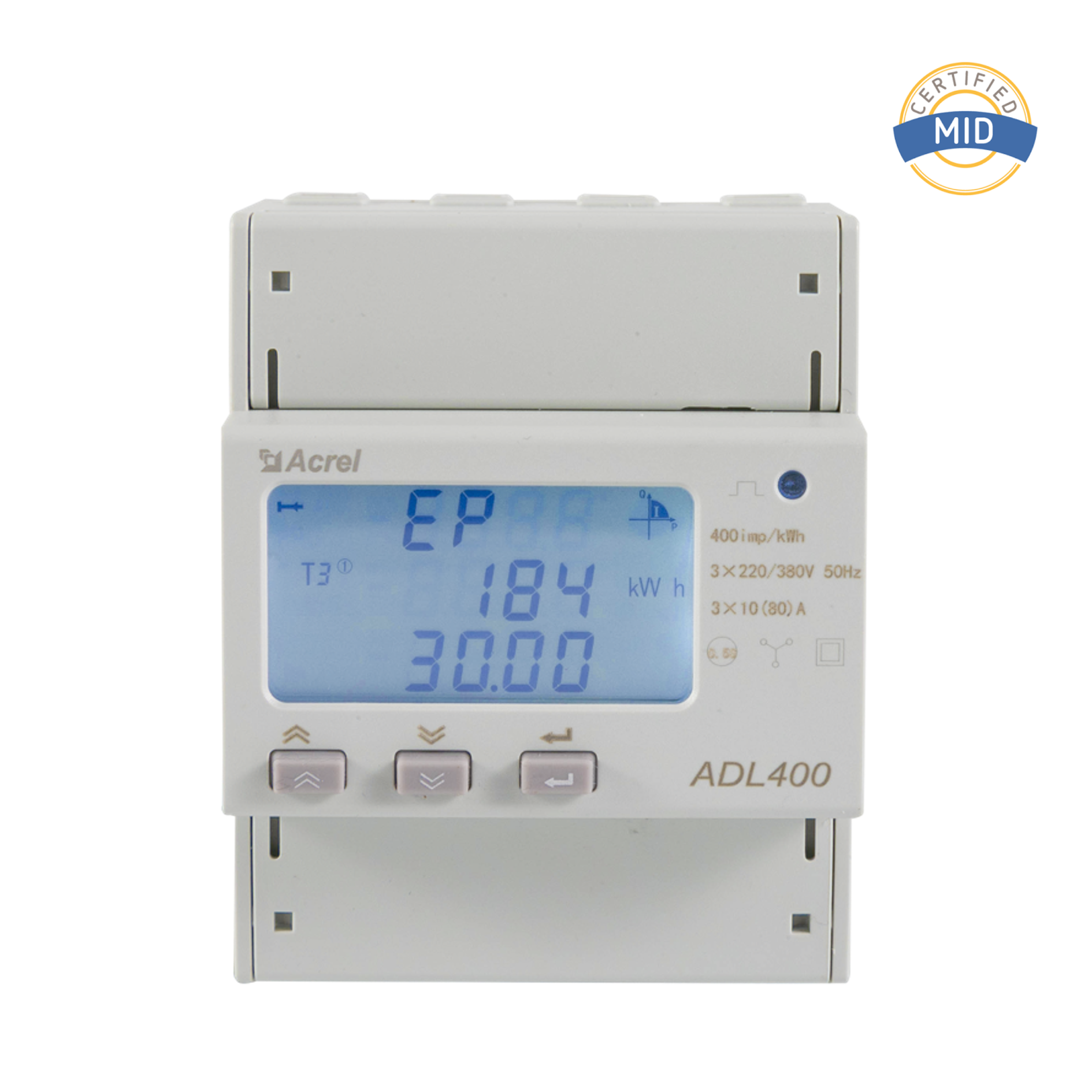 Introduction to AC Energy Meters In today’s rapidly evolving energy sector, accurate measurement and...View More
 -
What are the key differences between a basic thermal overload relay and a smart motor protection relay?
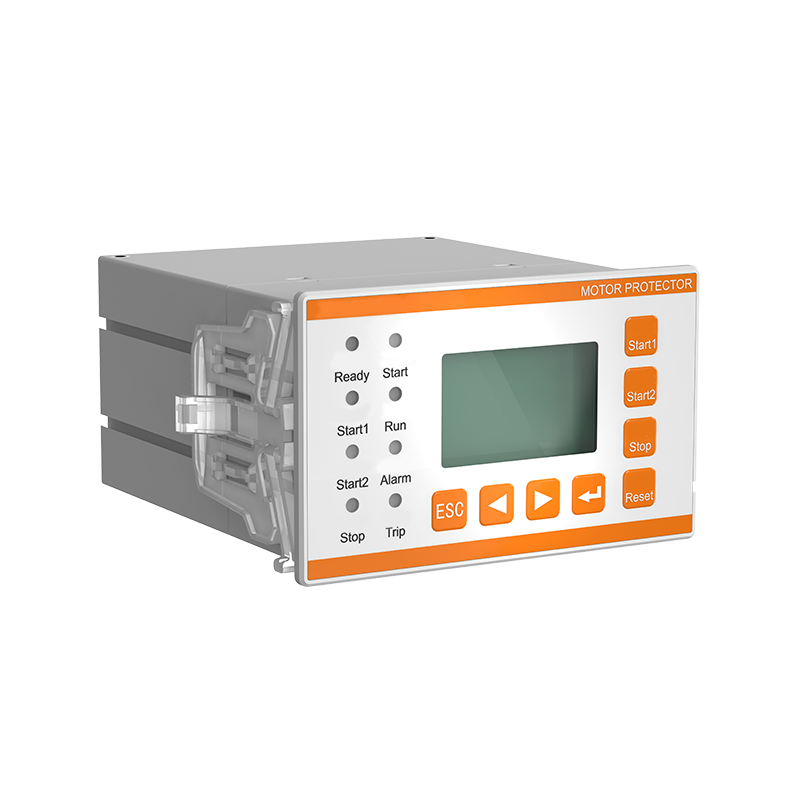 I. Introduction: The Critical Need for Motor Protection Electric motors are the undisputed workhorse...View More
 -
Precision and Versatility: Unlocking Efficiency with Panel Mount Multifunction Meters
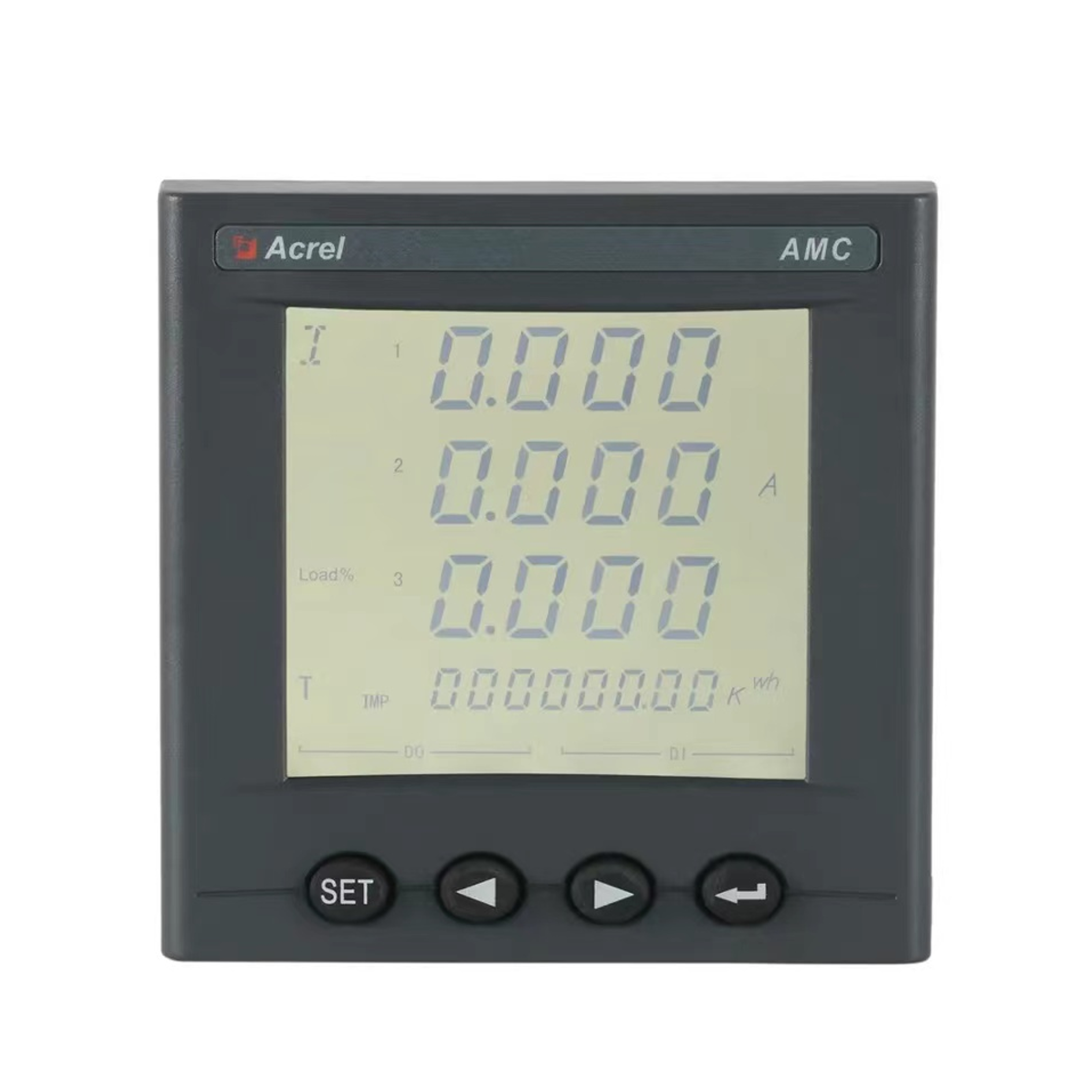 Introduction In modern industrial and commercial power environments, precise measurement and managem...View More


 Email: [email protected]
 Phone: +86-18702106858 / +86-21-69156352
ADDRESS
No.253 Yulv Road, Jiading District, Shanghai, PRC 201801





