

 English
 Deutsch
No.253 Yulv Road, Jiading District, Shanghai, PRC 201801
-
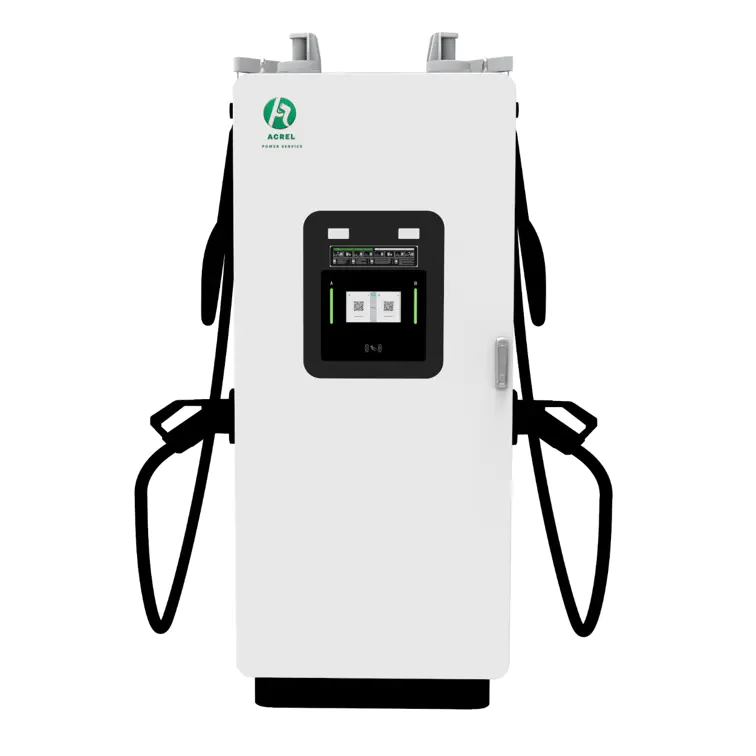 Acrel Launches AEU Series CCS2 DC Fast Chargers for European and Global MarketsFOR IMMEDIATE RELEASE Shanghai, China — Acrel, a leading global provider of electrical measurement and energy management solutions, today announced the launch of its AEU Series DC fast chargers, a new line of CCS2-compliant electric vehicle supply equipment (EVSE) engineered for commercial and public charging networks across Europe, Southeast Asia, Oceania, and other CCS2 regions. Available in po...
 -
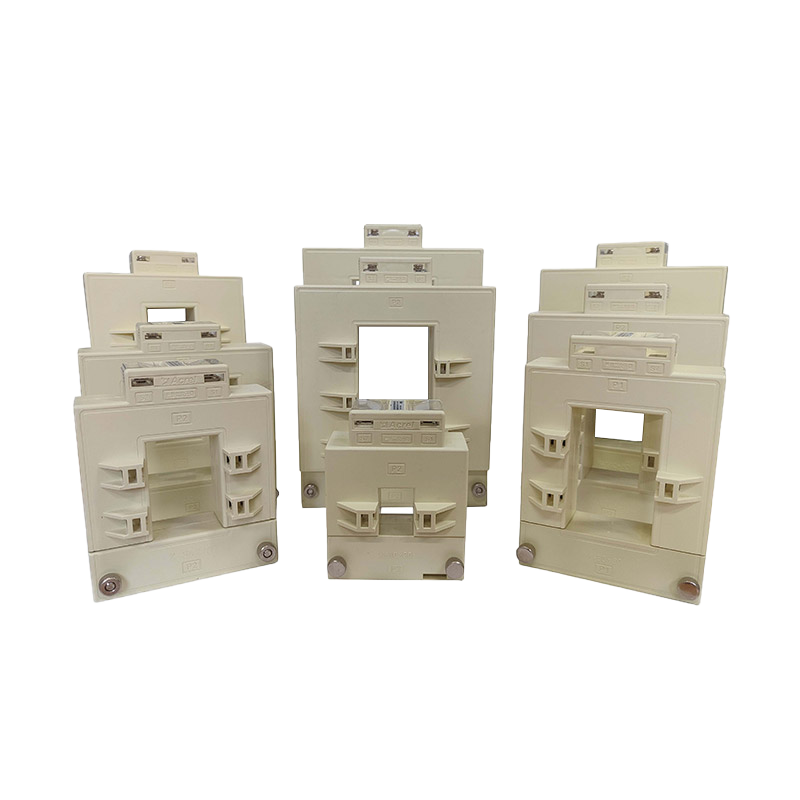 How Power Sensors and Protection Relays Prevent Costly Electrical FailuresWhy Sensing Accuracy Decides Circuit Reliability Every industrial electrical system depends on one quiet assumption: that the numbers reported by monitoring equipment reflect what is actually happening in the conductors. When that assumption breaks down, breakers trip for no visible reason, motors overheat undetected, and maintenance teams chase symptoms instead of causes. Accurate power sensors...
 -
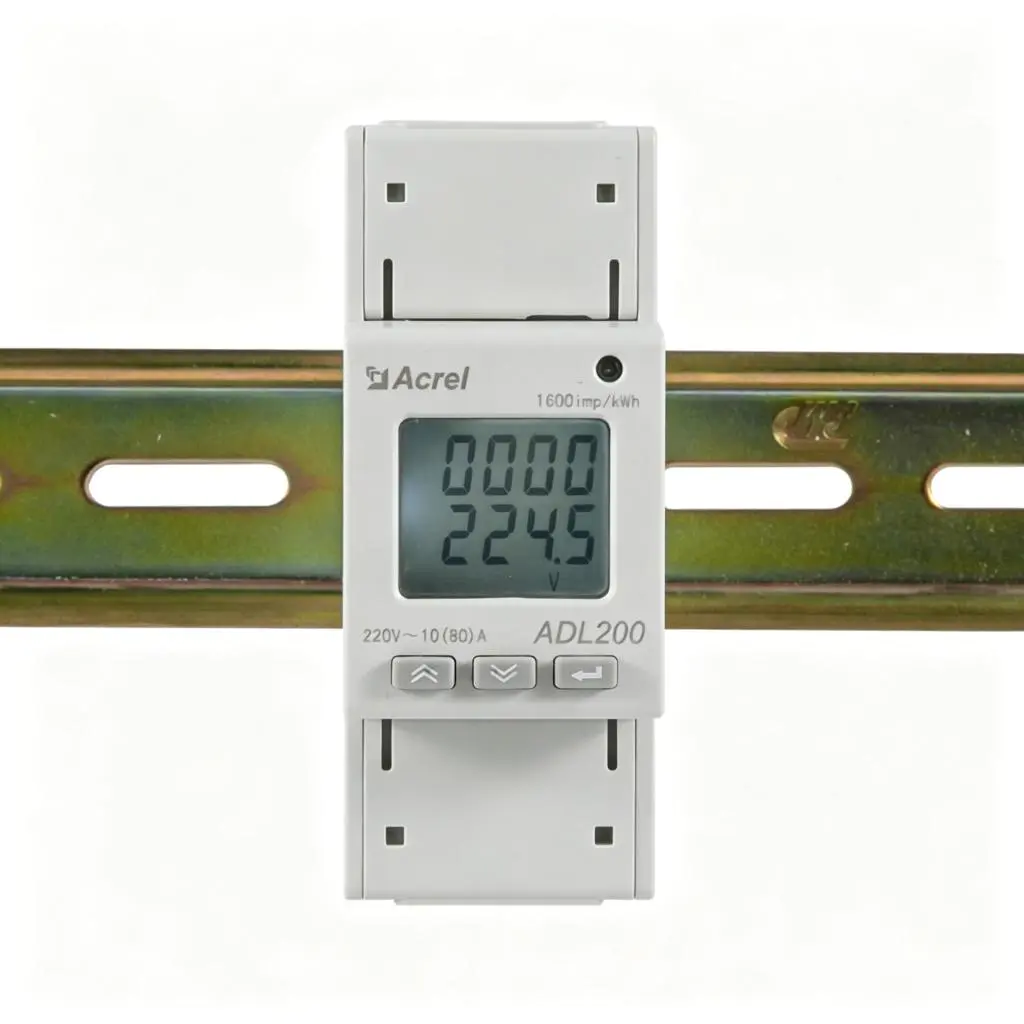 How to Choose the Right Meter Installation Method?A Guide to DIN Rail / Panel-Mount Selection Introduction: In power distribution design, energy consumption retrofitting, photovoltaic energy storage, and building sub-metering projects, many selection mistakes stem from choosing the wrong installation method! Insufficient cabinet space, inability to drill holes, no available mounting wall on-site, and difficult post-installation maintenance — at ...
 -
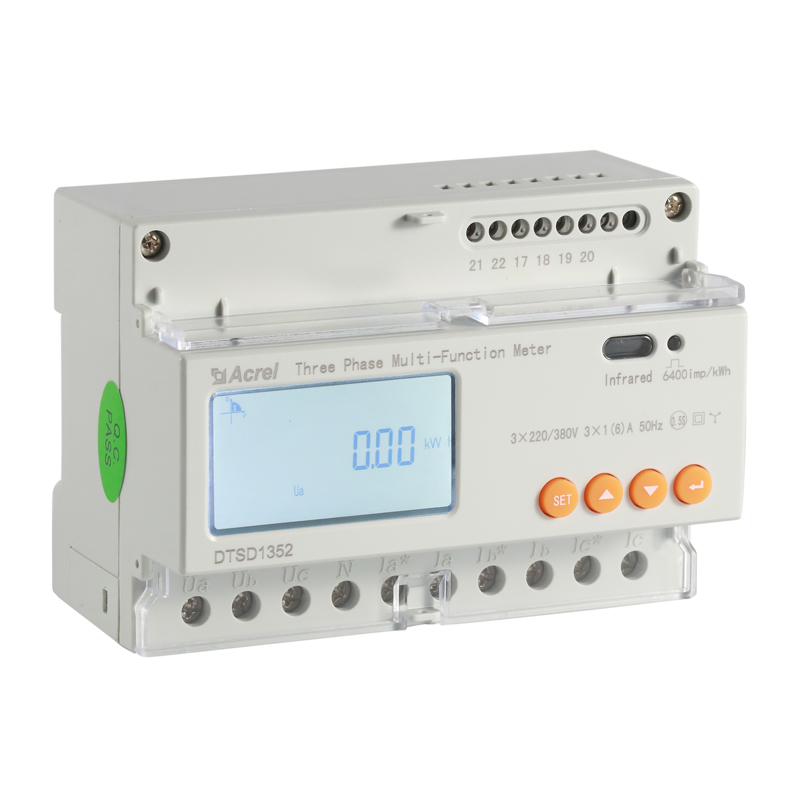 How to Choose Between DIN Rail and Panel Mounted Energy Meters for Your Control PanelWhy Metering Format Decisions Shape Long-Term Panel Performance Choosing between a DIN rail mounted unit and a panel mounted unit is rarely a trivial detail on a project drawing. The decision affects how much space is left inside an enclosure, how technicians will read data during maintenance, how wiring is routed, and how easily the device integrates with a building management system later on. A...
 -
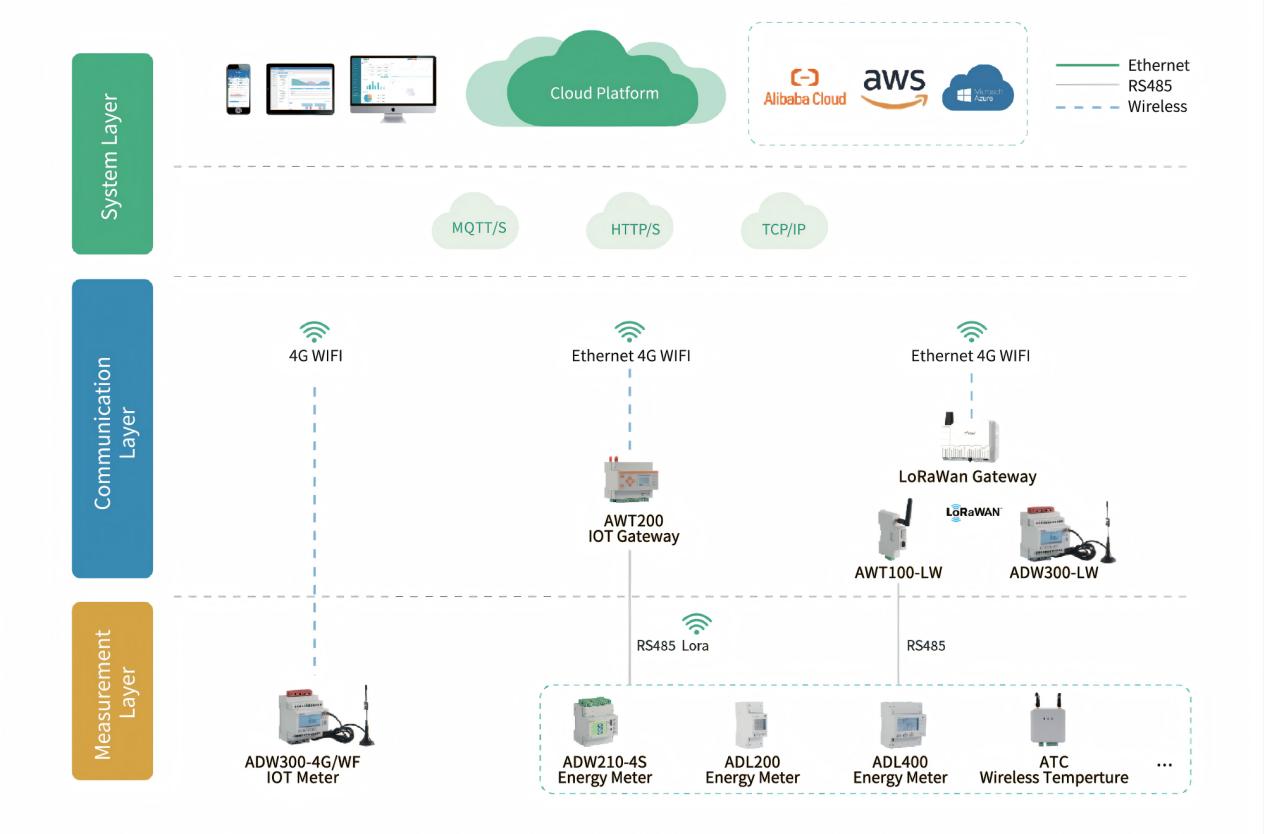 EU Chain Store Energy Compliance Upgrade: Acrel Full IoT EMS Solution for Remote Cross-Branch Power SupervisionFull Breakdown of Mandatory EU Energy Regulatory Policies The revised Energy Performance of Buildings Directive (EPBD EU/2024/1275) took legal effect on 28 May 2024, requiring all EU member states to roll out corresponding national laws by 29 May 2026. It imposes strict MEPS on supermarkets, convenience shops and F&B premises with mandatory rules effective by 2030. Combined with CSRD carbon d...
 -
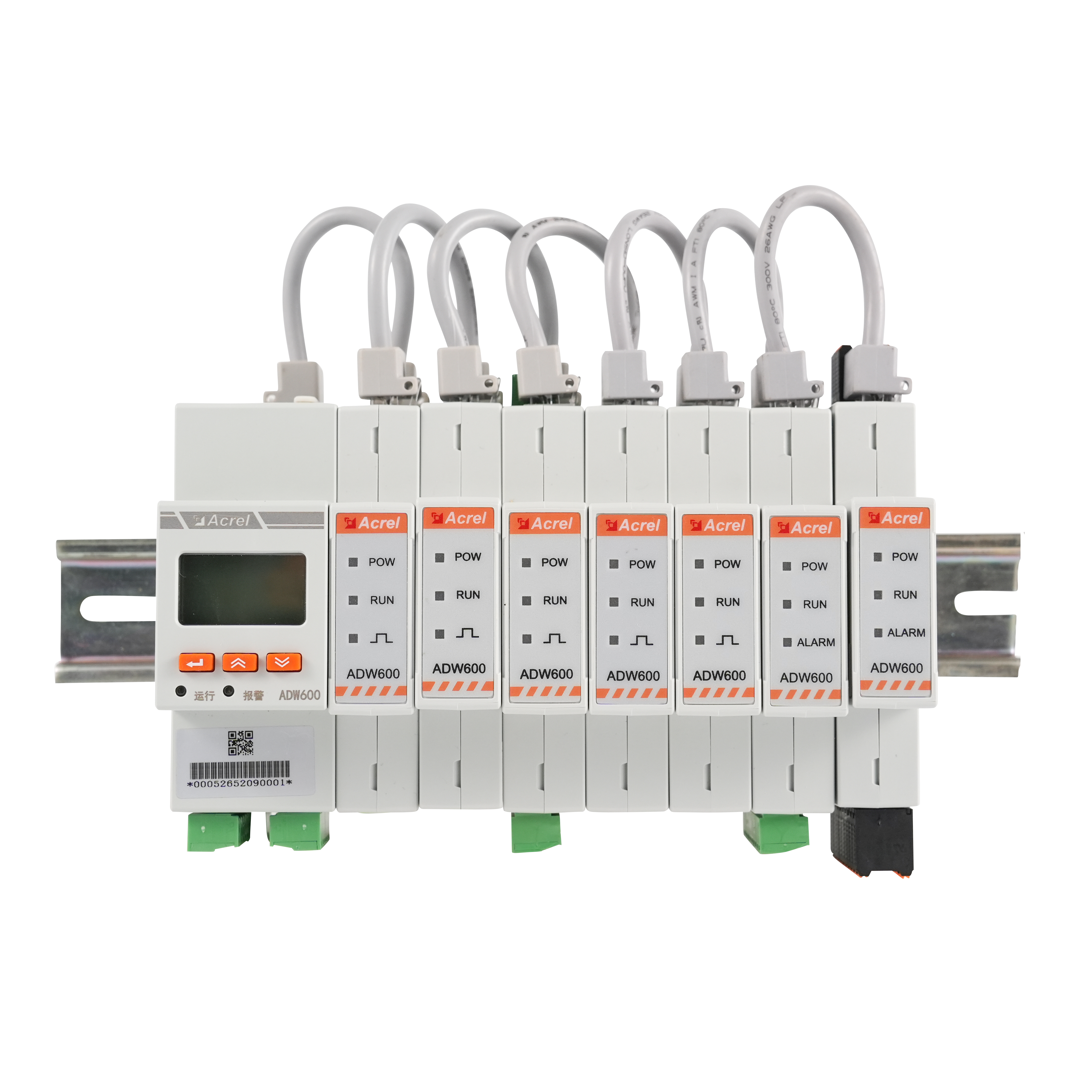 How Industrial Energy Metering and Monitoring Systems Cut Facility CostsThe Industrial Energy Metering and Monitoring Systems Landscape Manufacturing plants, data centers, and large commercial campuses rarely fail at energy management because equipment is inefficient. They fail because nobody can see where the energy actually goes. A well-designed energy metering system replaces that blind spot with circuit-level visibility, turning a single utility bill into a map o...

 Email: [email protected]
 Phone: +86-18702106858 / +86-21-69156352
ADDRESS





