How do smart electric meters for utility companies work
What Is a Smart Electric Meter and Why Do Utility Companies Use It
A smart electric meter is an advanced electronic device that replaces the traditional analog electricity meter. Unlike old-style meters that simply record cumulative energy consumption and require a technician to read them on-site, smart meters communicate usage data automatically to the utility company over a digital network. This fundamental shift in metering technology has transformed how utilities manage the grid, bill customers, and respond to outages.
For utility companies, the motivation to deploy smart meters is driven by several urgent priorities: reducing operational costs, improving grid reliability, enabling demand response programs, and meeting regulatory requirements for energy efficiency. In many regions, more than 70% of electricity meters deployed in utility networks today are digital or smart-enabled, a figure that continues to grow as infrastructure modernization programs accelerate worldwide.
The core device at the center of this ecosystem is the Digital AC Energy Meter, which measures alternating current (AC) electrical parameters with high precision. These meters form the foundation of smart metering infrastructure, providing the raw data that makes intelligent grid management possible.
Core Components Inside a Smart Electric Meter
Understanding how a smart meter works starts with knowing its internal architecture. Each smart meter is a compact but sophisticated electronic system built from several key components working together.
Measurement and Sensing Module
This is the heart of the meter. It uses current transformers (CTs) and voltage dividers to sample the AC waveform many thousands of times per second. A dedicated metering-grade integrated circuit (IC) then processes these samples to calculate:
Active energy (kWh) consumed or exported
Reactive energy (kVARh) for power factor monitoring
Apparent power (kVA)
Voltage (V), current (A), and frequency (Hz) in real time
Power factor and harmonic distortion levels
Modern metering ICs achieve accuracy classes of 0.2S or 0.5S, meaning measurement errors remain below 0.2% or 0.5% across a wide range of load conditions. This level of precision is critical for fair billing and energy loss analysis.
Microcontroller and Processing Unit
A low-power microcontroller manages data acquisition, time-of-use tariff switching, tamper detection logic, and local storage. It runs firmware that can often be updated remotely, allowing utilities to add new features or fix bugs without physical access to the meter.
Communication Module
This subsystem handles the two-way data link between the meter and the utility's head-end system. Different technologies are used depending on infrastructure and geography:
Power Line Communication (PLC): Transmits data signals directly over the existing electricity distribution wires, eliminating the need for separate communication infrastructure.
Radio Frequency (RF) Mesh: Meters form a self-healing wireless mesh network, relaying data hop-by-hop to a data collector point.
Cellular (4G/5G/NB-IoT): Each meter connects directly to the mobile network, suitable for areas where mesh density is insufficient.
RS-485 / Modbus: A wired serial interface commonly used for industrial or commercial metering where meters are clustered in panels or switchboards.
Memory and Real-Time Clock
Non-volatile memory stores interval load profiles (typically 15-minute or 30-minute energy readings), event logs, tamper records, and billing registers. A battery-backed real-time clock (RTC) ensures accurate timestamping even during power outages, which is essential for time-of-use billing.
Display
Most smart meters include an LCD or LED display showing current readings, allowing customers and technicians to view data locally. Some advanced models also include optical ports for direct laptop interrogation.
How Smart Meters Collect and Transmit Data
The data flow process in a smart metering system follows a well-defined architecture often called Advanced Metering Infrastructure (AMI). Here is how the process works end-to-end:
Measurement: The meter's sensing module samples voltage and current waveforms continuously, computing energy totals and other parameters in real time.
Local Storage: Interval data is stored internally in load profile registers, typically recording one data point every 15 or 30 minutes. Most meters can store 60 to 180 days of interval data locally.
Communication: At scheduled intervals (often every 15 minutes, hourly, or daily), the meter transmits its stored data to a data concentrator unit (DCU) or directly to the utility's head-end system via its communication module.
Data Aggregation: DCUs collect data from dozens or hundreds of meters in their zone and forward the aggregated data to the utility's Meter Data Management System (MDMS) via wide-area network links.
Data Processing: The MDMS validates, estimates missing readings, and stores data. It then feeds downstream systems such as billing engines, outage management systems (OMS), and analytics platforms.
This two-way communication also allows the utility to send commands down to the meter, such as remote disconnection, tariff profile updates, firmware upgrades, and demand response signals.
Key Functions That Make Smart Meters Valuable for Utilities
Automatic Meter Reading (AMR) and Remote Management
Smart meters eliminate the need for manual meter reading visits, which can cost utilities between $10 and $30 per meter per year in labor and vehicle expenses. With hundreds of thousands of meters in a typical utility network, this saving alone can justify the entire deployment cost within a few years.
Beyond reading, remote management capabilities include remote connect and disconnect (RCD) switches built into the meter, allowing the utility to activate or deactivate supply without dispatching a technician. This is particularly valuable for managing non-payment situations, property handovers, and emergency load shedding.
Time-of-Use (TOU) and Dynamic Tariff Billing
Traditional meters record only total energy consumed, making it impossible to bill customers differently based on when they use electricity. Smart meters store interval data with timestamps, enabling several advanced tariff structures:
Time-of-Use (TOU): Different rates apply during peak (typically 7am-9pm on weekdays) and off-peak periods.
Critical Peak Pricing (CPP): Very high rates during a small number of peak stress events each year, incentivizing demand reduction.
Real-Time Pricing (RTP): Rates fluctuate hourly based on wholesale electricity market prices.
Studies indicate that TOU pricing programs, enabled by smart metering, can reduce peak demand by 5% to 15%, significantly deferring the need for expensive new generation and transmission infrastructure.
Outage Detection and Restoration Verification
When power fails at a smart meter location, the meter sends a "last gasp" message via its backup battery before going dark. This allows the utility's outage management system to automatically build an accurate outage map within minutes, rather than relying entirely on customers calling in. After crews restore power, the meter sends a "first breath" message confirming supply is restored, allowing the utility to verify restoration remotely and identify any customers still without power.
This capability can reduce average outage restoration times by 20% to 30% according to utility deployment case studies, with commensurate improvements in reliability indices such as SAIDI (System Average Interruption Duration Index).
Tamper Detection and Non-Technical Loss Reduction
Smart meters are equipped with multiple tamper detection mechanisms:
Magnetic tamper sensors detecting external magnets placed near the meter to distort current measurements
Cover open detection when the meter casing is accessed
Reverse current detection indicating bypassing of the meter
Voltage presence without energy registration indicating potential meter bypass
All tamper events are logged with timestamps and transmitted to the utility. Non-technical losses (electricity theft and metering errors) represent 1% to 10% of total electricity distributed in different markets, and smart metering is a primary tool for their detection and reduction.
Power Quality Monitoring
Advanced smart meters continuously monitor power quality parameters including voltage sags and swells, frequency deviations, harmonic distortion, and voltage unbalance. When parameters exceed defined thresholds, the meter logs the event and can alert the utility in near real time. This data helps utilities identify problematic distribution feeders, plan maintenance, and meet regulatory power quality standards.
Net Metering for Distributed Generation
As rooftop solar installations multiply, utilities require meters capable of recording energy flowing in both directions. Smart meters with bidirectional measurement capability record both energy imported from the grid and energy exported from the customer's generation source. This is essential for net metering billing, feed-in tariff programs, and grid stability management.
Smart Meter Communication Protocols and Standards
Interoperability is a central challenge in smart metering deployments, particularly for utilities managing equipment from multiple manufacturers over decades of operation. Several standards govern how smart meters communicate and what data they exchange.
Protocol / Standard
Application Area
Key Feature
DLMS/COSEM
Data modeling and exchange
Global standard for meter data objects
ANSI C12.19 / C12.22
North American metering
Table-based data structure and network communication
IEC 62056
European and international
Electricity metering data exchange
Modbus RTU/TCP
Industrial and commercial
Simple register-based communication over RS-485 or Ethernet
PRIME / G3-PLC
Power line communication
Narrowband PLC for smart meter networks
Wi-SUN / IEEE 802.15.4g
RF mesh networks
Self-healing outdoor mesh for AMI
In practice, most modern smart metering deployments use DLMS/COSEM as the application layer standard, transported over whatever physical communication layer best suits the local infrastructure. This separation of application and transport layers is intentional, allowing utilities to upgrade communication technology without redesigning the entire metering system.
How Utility Companies Use Smart Meter Data in Practice
Load Forecasting and Grid Planning
With interval data from every meter on the network, utilities gain granular visibility into consumption patterns at the feeder, substation, and individual customer level. This data dramatically improves load forecasting accuracy, allowing utilities to optimize dispatch of generation resources and plan distribution infrastructure investments with greater confidence. Errors in load forecasting directly translate to either over-procurement of generation (wasted cost) or insufficient generation (reliability risk).
Demand Response Programs
Smart meters are the enabling technology for demand response programs, where utilities incentivize large customers or aggregated groups of residential customers to reduce consumption during peak periods. When the utility sends a demand response signal, smart meters can relay it to connected smart thermostats, water heaters, and EV chargers via Home Area Network (HAN) interfaces. Utilities with mature demand response programs report being able to call on 3% to 8% of peak system load from enrolled customers.
Voltage Optimization and Conservation Voltage Reduction
By monitoring voltage at every meter location, utilities can precisely implement Conservation Voltage Reduction (CVR), a technique of reducing distribution voltage slightly below nominal (e.g., from 120V to 116V in North American systems) to reduce energy consumption. Smart meter voltage data allows utilities to confirm the voltage is still within acceptable limits at every customer location, something impossible with traditional metering. CVR programs typically achieve energy savings of 2% to 4% on affected feeders.
Revenue Protection and Loss Analysis
By comparing energy sent from a substation feeder against the sum of energy recorded by all meters on that feeder, utilities can calculate technical and non-technical losses at the feeder level. Feeders showing abnormally high losses become targets for investigation. This systematic approach to loss analysis has helped utilities reduce non-technical losses significantly in markets where smart metering is widely deployed.
Installation and Integration Considerations for Utilities
Deploying smart meters at scale involves much more than replacing physical devices. Utilities must address several technical and organizational dimensions:
Meter Data Management System (MDMS)
The MDMS is the software platform that receives, validates, stores, and distributes meter data to downstream systems. It must handle incoming data from potentially millions of meters, perform validation and estimation for missing reads, and serve data to billing, analytics, and engineering systems. Selecting, implementing, and integrating an MDMS is typically the most complex IT challenge in a smart meter rollout.
Communication Network Infrastructure
Before meters can communicate, the underlying network must be in place. For RF mesh deployments, this involves placing collector nodes or data concentrators throughout the service territory. For PLC deployments, repeaters and data concentrators are installed at substations and on distribution transformers. The communication network must achieve read rates above 99% to ensure reliable billing data, which requires careful network engineering and ongoing monitoring.
Cybersecurity
Smart meters represent millions of internet-connected endpoints attached to critical infrastructure. Security requirements include encrypted communication (typically AES-128 or AES-256), mutual authentication between meter and head-end, secure firmware update processes, and tamper-resistant hardware. Many markets mandate specific cybersecurity certifications for meters deployed in public networks.
Meter-to-Cash Process Redesign
Moving from monthly manual reads to interval data fundamentally changes the billing process. Utilities must redesign their meter-to-cash workflow, train billing staff, update customer communication, and handle the transition period where some customers are on smart meters and others are not yet converted.
Smart Meter Accuracy Classes and Certification Standards
For billing-grade metering, accuracy is not merely a technical specification but a regulatory requirement. Smart meters used in utility billing applications must comply with applicable standards and achieve certified accuracy classes. Key standards include:
IEC 62053-21 / 62053-22: Covers AC static meters for active energy. Class 1 meters have a maximum error of 1%; Class 0.5S meters are accurate to within 0.5% across a wide current range including very low loads.
ANSI C12.20: North American standard defining accuracy classes 0.1, 0.2, and 0.5 for revenue-grade meters.
MID (Measuring Instruments Directive): European Union mandatory conformity requirement for meters used in commercial billing, ensuring harmonized performance across EU member states.
For commercial and industrial customers with large loads, Class 0.2S meters are typically specified, as even small percentage errors translate to significant billing inaccuracies at high consumption levels. A 0.5% error on a site consuming 10,000 kWh per month represents 50 kWh of billing discrepancy each month.
Frequently Asked Questions
Q1: How often does a smart meter send data to the utility?
Most smart meters record interval data every 15 or 30 minutes and transmit it to the utility once daily or more frequently. Some utilities configure hourly or near-real-time transmission for specific applications such as demand response or grid balancing.
Q2: Can a smart meter work during a power outage?
Smart meters have a small internal backup battery that powers the communication module briefly during a power outage, allowing the meter to send a last-gasp outage notification to the utility. The battery is not designed to power the meter for extended periods.
Q3: What is the typical lifespan of a smart electric meter?
Most utility-grade smart meters are designed for a service life of 15 to 20 years, with metrological recertification required at intervals defined by local regulation (often every 10 to 16 years).
Q4: What is the difference between AMR and AMI?
AMR (Automatic Meter Reading) is a one-way system that automatically reads meters but cannot send commands back. AMI (Advanced Metering Infrastructure) is a full two-way communication system, enabling remote commands, demand response, and real-time data access in addition to automated reading.
Q5: Can smart meters measure solar energy sent back to the grid?
Yes. Smart meters with bidirectional measurement capability record both energy imported from and exported to the grid, making them suitable for net metering arrangements with solar or other on-site generation systems.
Q6: How are smart meters protected from hacking or data manipulation?
Smart meters use encrypted communication (typically AES-128 or AES-256), digital signatures for firmware updates, mutual authentication protocols, and tamper-resistant hardware. They also maintain local event logs that record any unauthorized access attempts.
Q7: What communication technologies are most common in utility smart meter deployments?
Power Line Communication (PLC) and RF mesh are the two most widely deployed technologies globally. Cellular connectivity (NB-IoT, LTE-M) is growing rapidly, particularly for meters in locations with poor PLC or RF coverage, or for commercial and industrial metering where individual connectivity per meter is cost-effective.


 English
 Deutsch
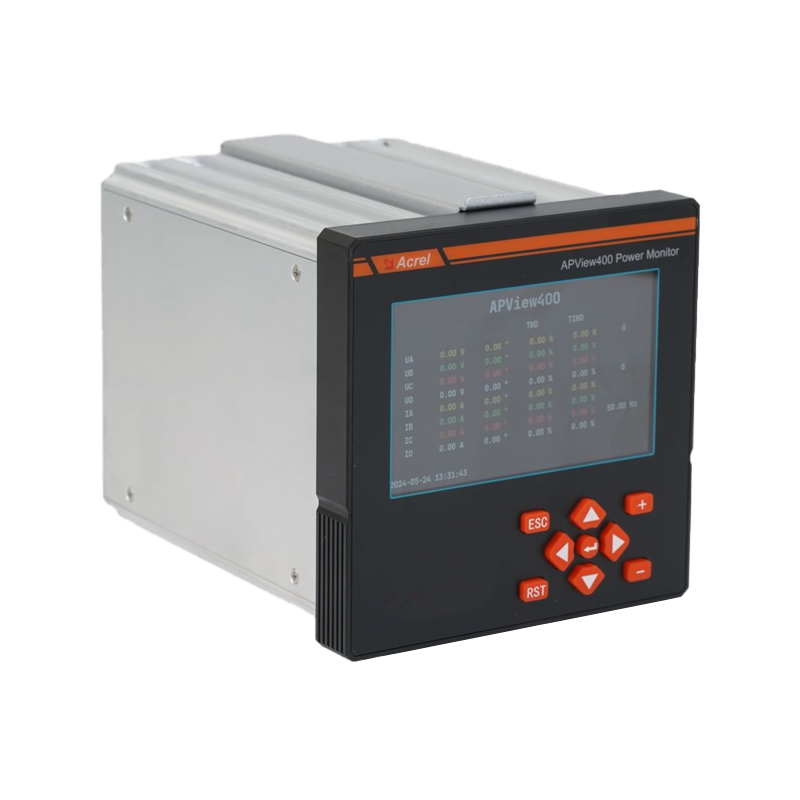 Part 1: Introduction 1.1 What is Power Quality and Why is it Important? In modern society, a stable ...View More
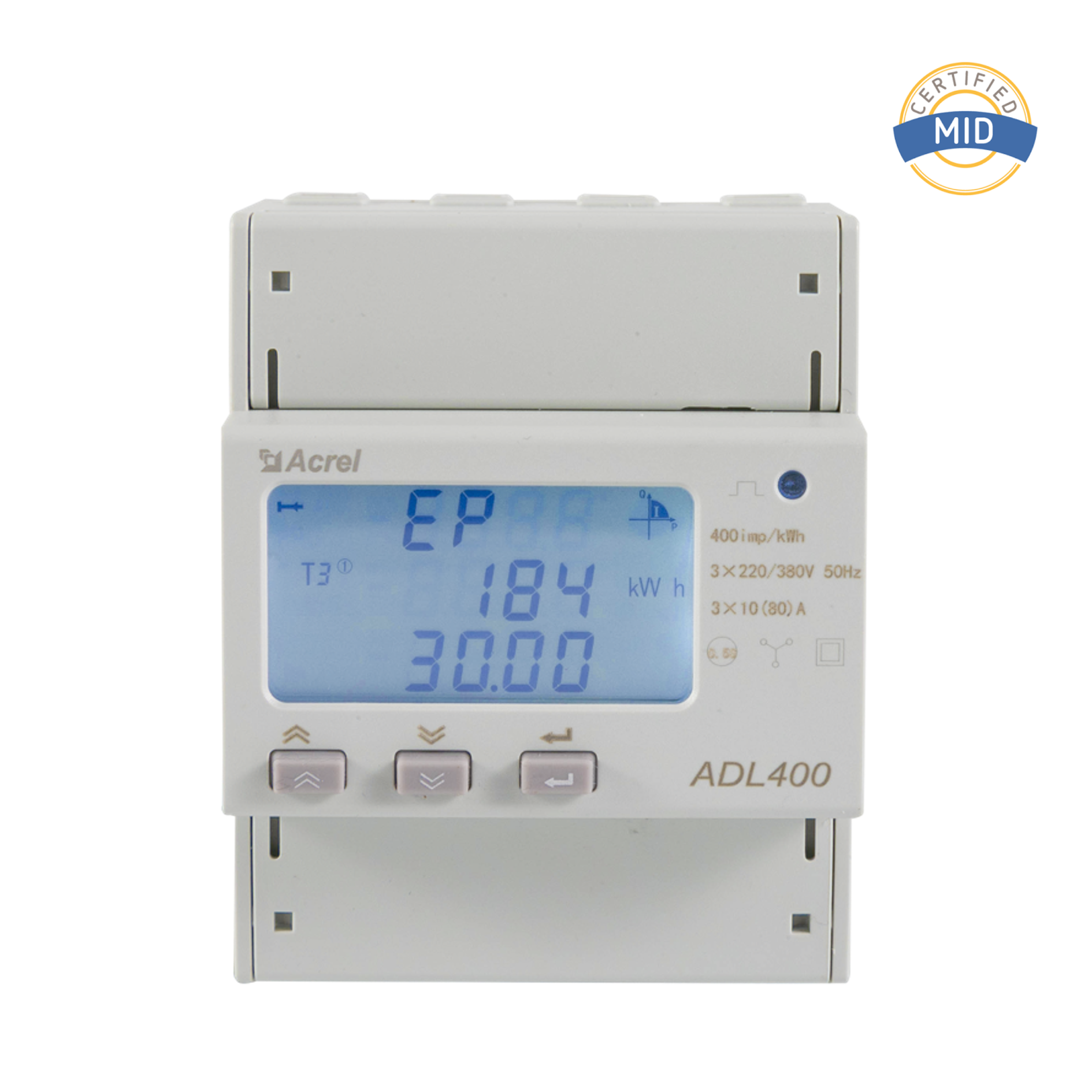 Introduction to AC Energy Meters In today’s rapidly evolving energy sector, accurate measurement and...View More
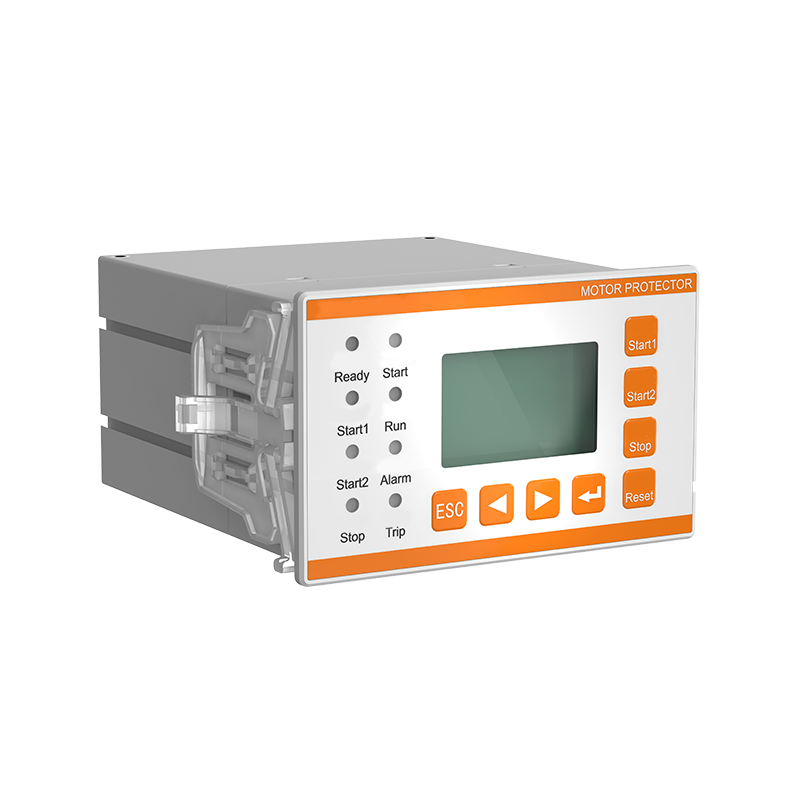 I. Introduction: The Critical Need for Motor Protection Electric motors are the undisputed workhorse...View More
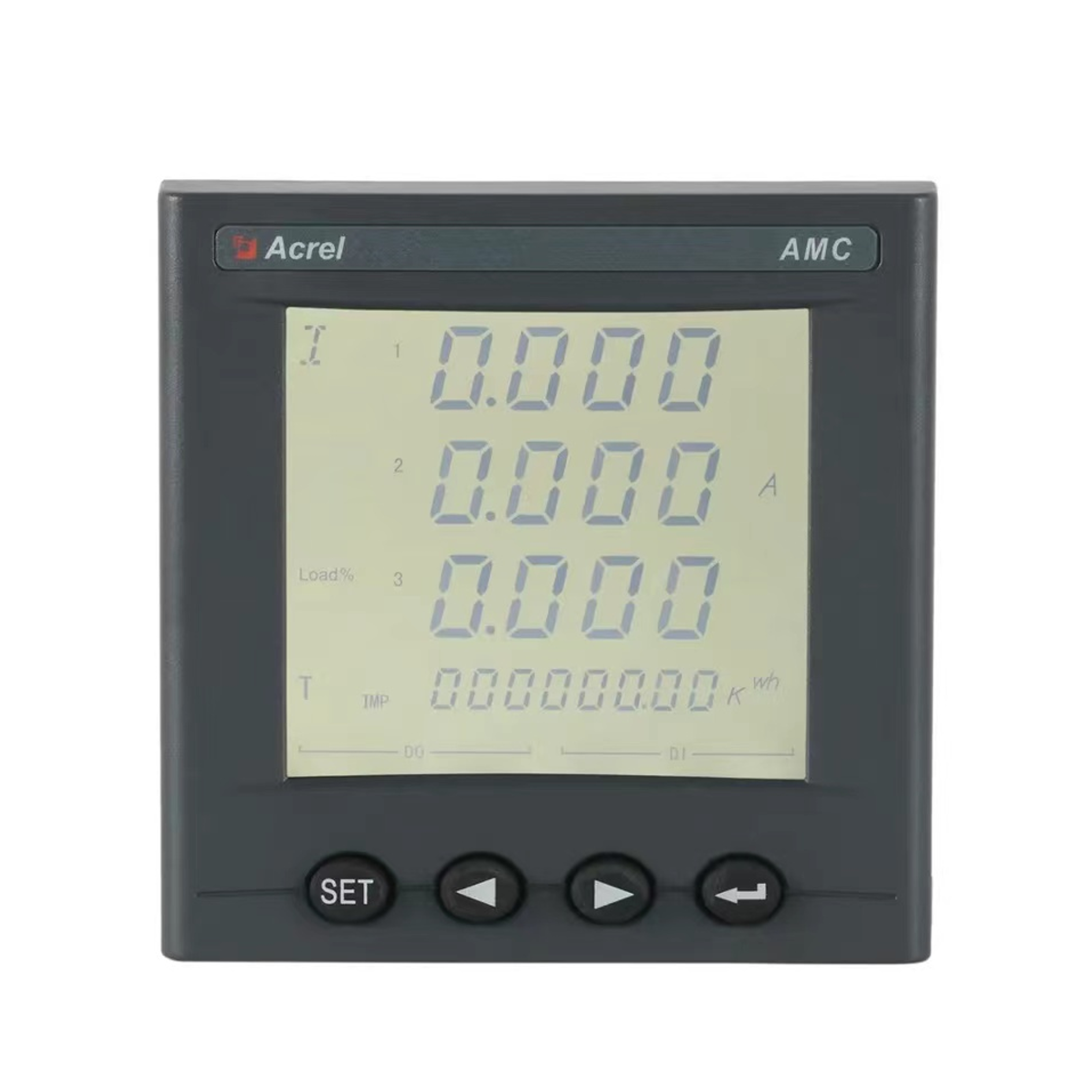 Introduction In modern industrial and commercial power environments, precise measurement and managem...View More

 Email: [email protected]
 Phone: +86-18702106858 / +86-21-69156352




