

 English
 Deutsch
News
Acrel Provides Maximum Demand Monitoring and Management Solution
What is Maximum Demand?
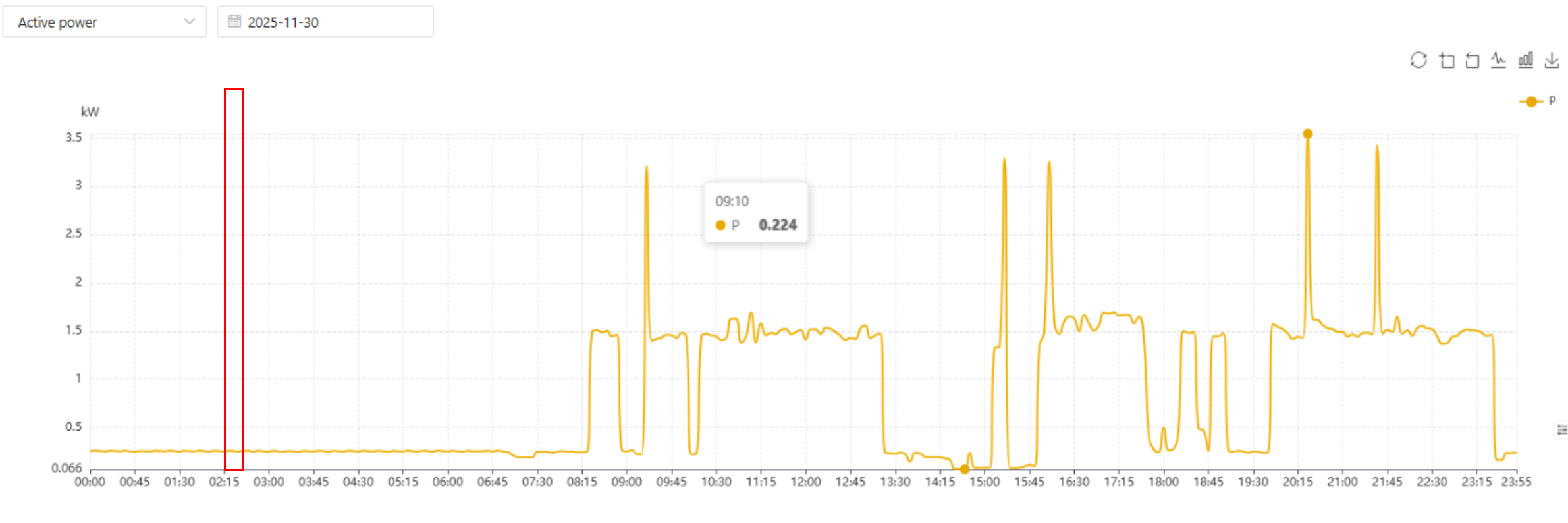
Demand refers to the average rate of electricity consumption over a specific time interval, typically measured in kilowatts (kW) or megawatts (MW). This interval—known as the demand period—commonly spans 15, 30, or 60 minutes, reflecting the instantaneous load placed on the power system.
Maximum Demand represents the highest average power value recorded during a billing cycle (usually one month) within these demand intervals. While the standard interval is 15 minutes, this can vary by utility or region.
Demand Period: Typically 15 minutes (varies by location)
Demand: The average power during that period, expressed in kW
The calculation typically works as follows: the meter records power every second. After 60 readings, these values are summed and divided by 60 to produce a one - minute average. This process repeats across the demand interval—for example, 15 one - minute averages are then summed and divided by 15 to determine the demand value.
How to Monitor Maximum Demand?
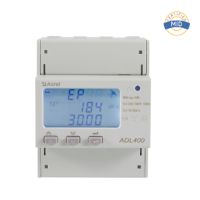
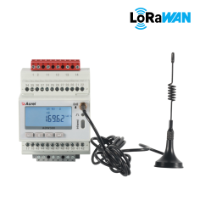
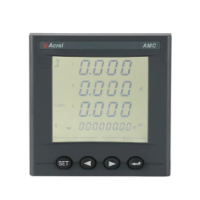
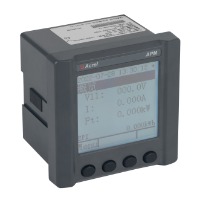
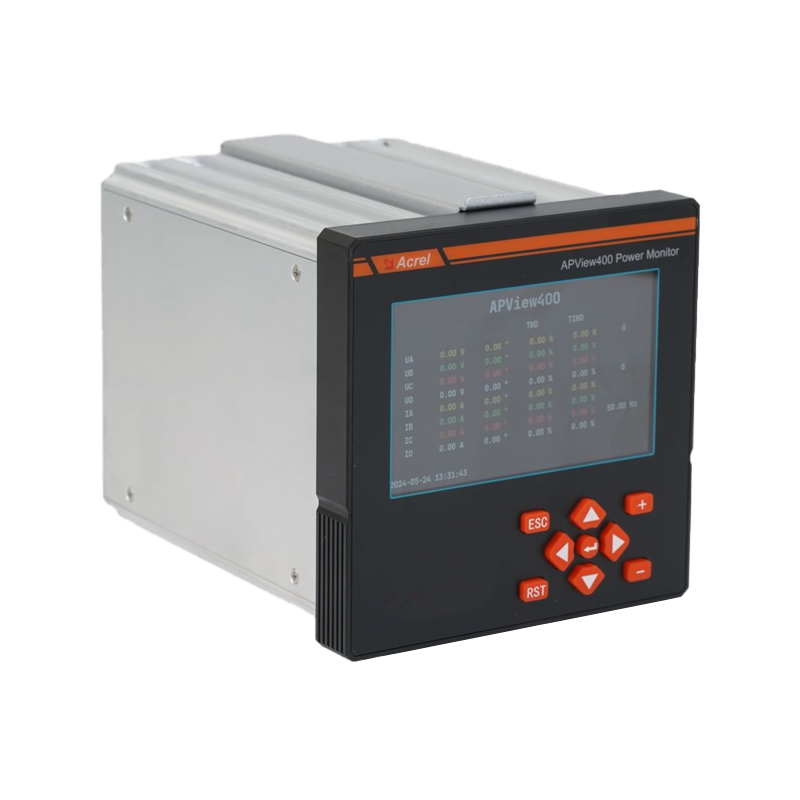
Acrel offers numerous products equipped with maximum demand monitoring capabilities:
|
Model |
Picture |
Details |
|
ADL400 |
|
|
|
ADW300 |
|
https://www.acrel-group.com/product/ac-energy-meter/ac-three-phase-wireless-iot-energy-meter.html |
|
AMC96L |
|
|
|
APM520 |
|
How to Manage Demand?
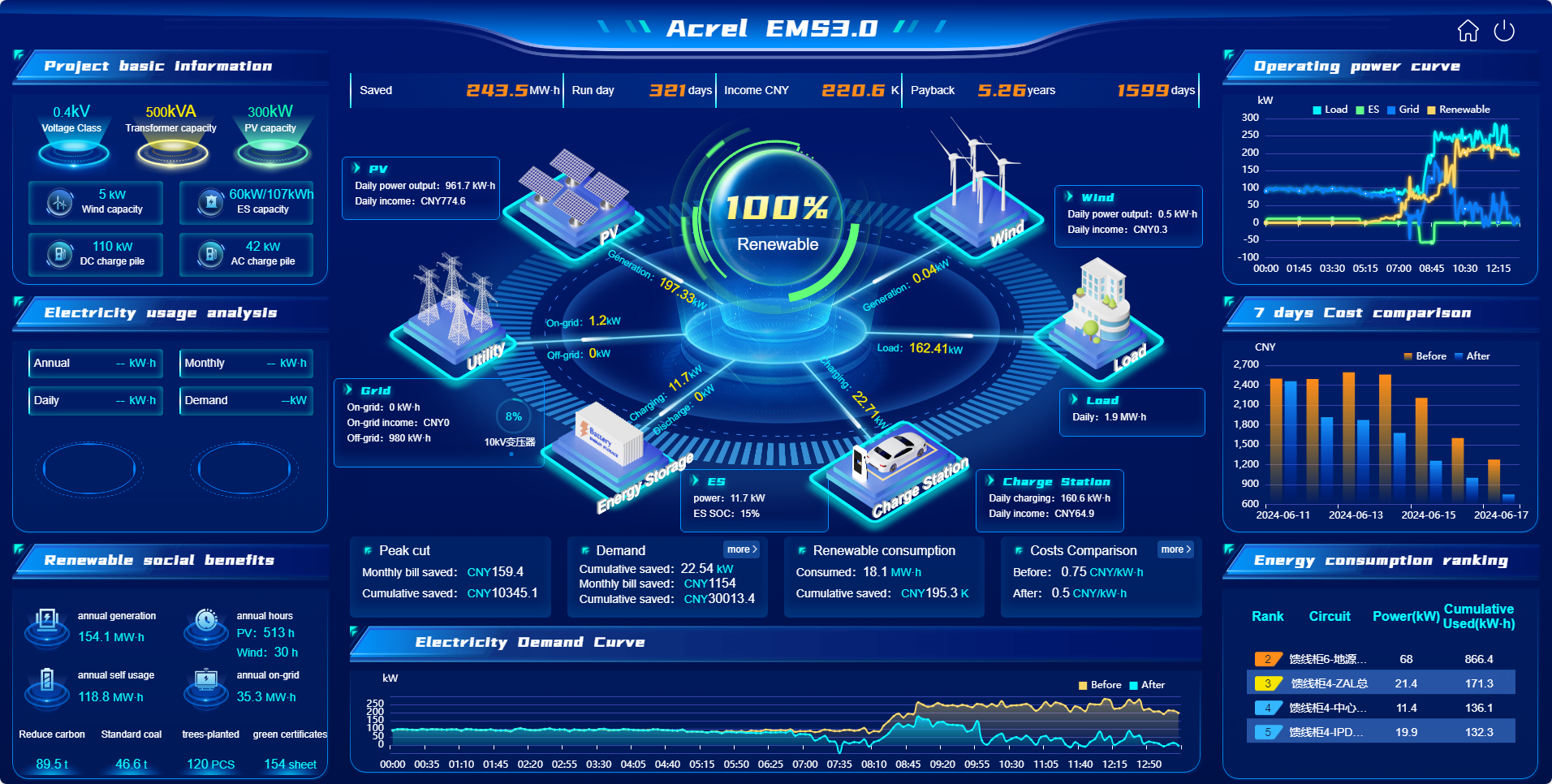
Fundamentally, demand management involves reducing power consumption by avoiding simultaneous operation of large loads. By scheduling these loads across different time slots, peak demand decreases.
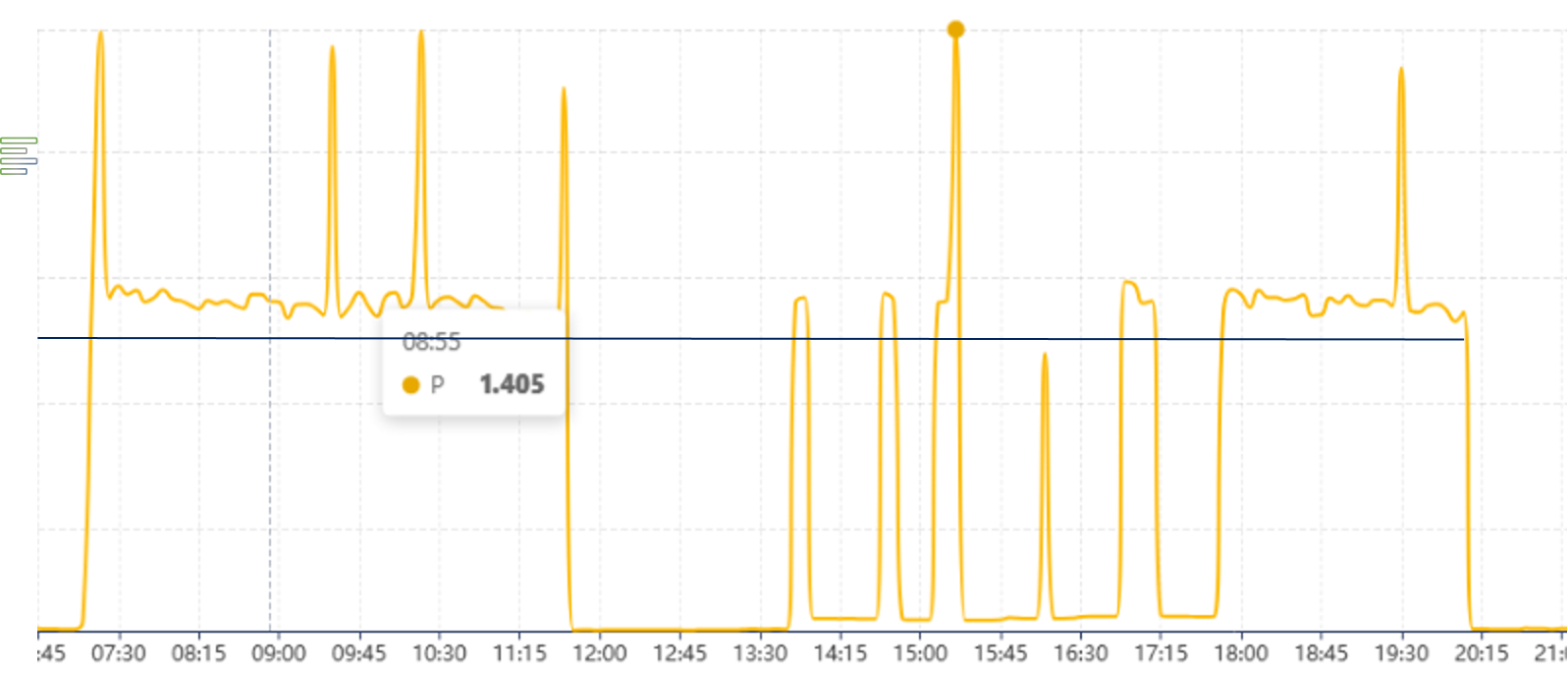
The grid's load capacity—determined by transformers and distribution lines—establishes the maximum permissible power level. Exceeding this threshold risks overheating lines or damaging transformers.
Electricity bills consist of two components: a basic charge based on transformer capacity or contracted demand (representing fixed costs), and an energy charge based on actual consumption (representing variable costs). Effective demand management directly reduces the basic charge.
Product News
-
The "Stethoscope" of Power Systems: Why You Need a Power Quality Analyzer
 Part 1: Introduction 1.1 What is Power Quality and Why is it Important? In modern society, a stable ...View More
 -
Advancements and Applications of AC Energy Meters in Modern Power Management
 Introduction to AC Energy Meters In today’s rapidly evolving energy sector, accurate measurement and...View More
 -
What are the key differences between a basic thermal overload relay and a smart motor protection relay?
 I. Introduction: The Critical Need for Motor Protection Electric motors are the undisputed workhorse...View More
 -
Precision and Versatility: Unlocking Efficiency with Panel Mount Multifunction Meters
 Introduction In modern industrial and commercial power environments, precise measurement and managem...View More


 Email: [email protected]
 Phone: +86-18702106858 / +86-21-69156352
ADDRESS
No.253 Yulv Road, Jiading District, Shanghai, PRC 201801





