

 English
 Deutsch
News
Acrel Providing Residential Photovoltaic Solutions
What is Residential Photovoltaic?
Residential photovoltaic refers to small-scale solar power generation systems installed on household roofs, balconies, or similar areas to supply electricity directly to the residence.
These systems can either connect to the grid or operate off-grid with energy storage for emergency backup, representing the mainstream solution for household energy self-sufficiency.
Residential PV primarily consists of: Solar panels + Inverter
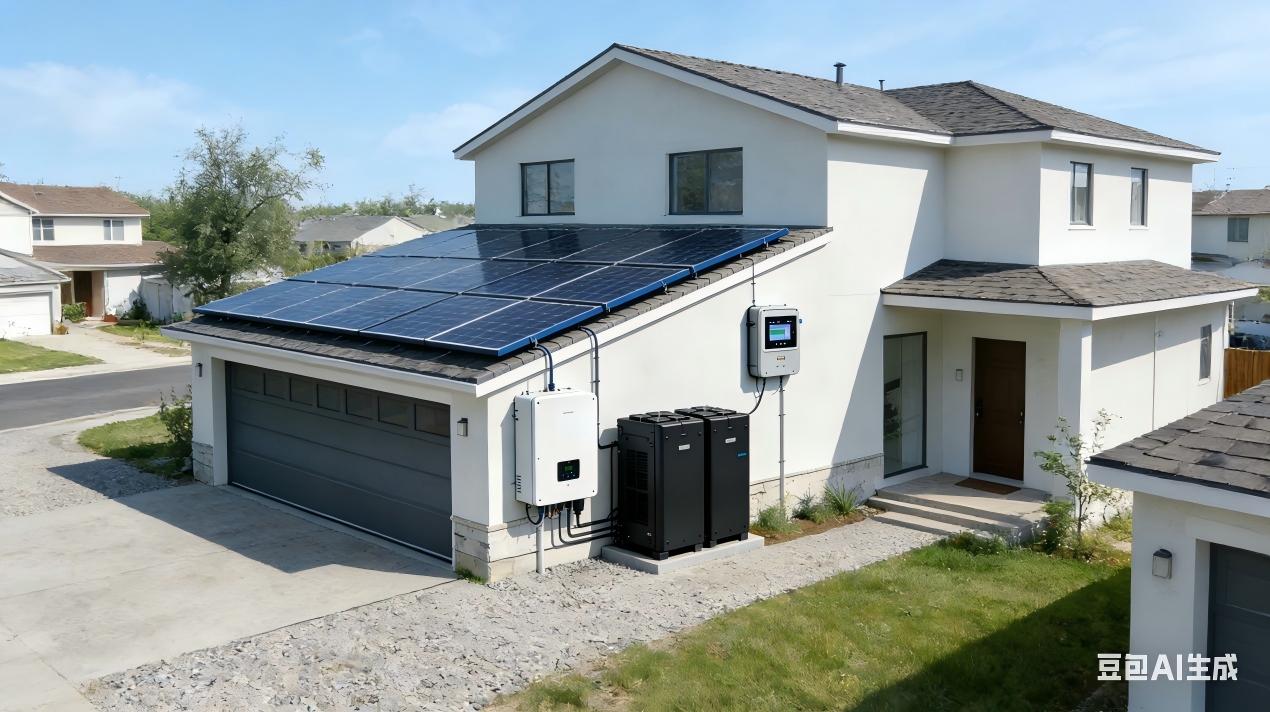
Optional Configurations
- Energy storage battery: Stores excess generation for peak-valley arbitrage or power outage emergencies.
- Monitoring devices: Such as Acrel ADL200W/ADL400W energy meters for measuring power generation and consumption.
- Anti-backflow device: Mandatory in some countries to prevent surplus power from feeding back into the grid.
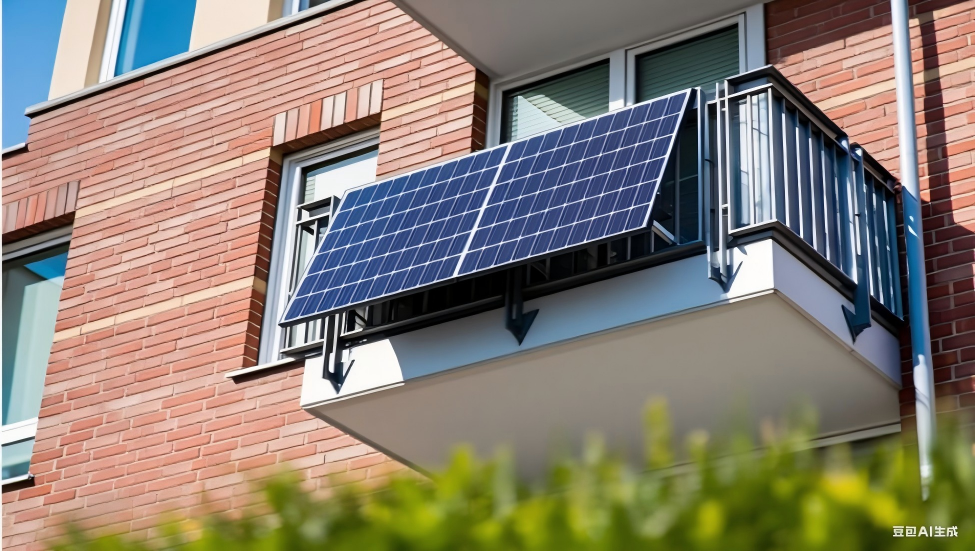
Grid-tied means "connected to the grid," allowing mutual power exchange; Off-grid means "not connected to the grid," using self-generated power exclusively.
- Grid-tied: The system connects to the grid. Surplus solar power can be sold to the grid, while shortages can be drawn from the grid (e.g., balcony micro-storage systems feed excess daytime power to the grid and draw from it at night).
- Off-grid: During power outages, the system operates independently using solar + batteries without grid power (like "off-grid loads" in residential PV-storage systems where refrigerators and lights continue working).
Core Customer Segments
1. Ordinary Households
The largest customer group, primarily in countries with high electricity prices and abundant sunlight. Their core need is reducing electricity bills, with some pursuing energy self-sufficiency.
2. Small Farm/Plantation Owners
Beyond household needs, they must power irrigation pumps, greenhouse equipment, and agricultural loads, often requiring multi-inverter and storage systems.
3. Property Developers/HOAs
In some European and American markets, developers bundle residential PV as a premium feature to increase property values; HOAs install balcony PV systems in apartment buildings to attract tenants.
The Acrel Energy Meter's role in residential PV systems is anti-backflow monitoring, primarily monitoring current/power conditions at the point of grid connection.
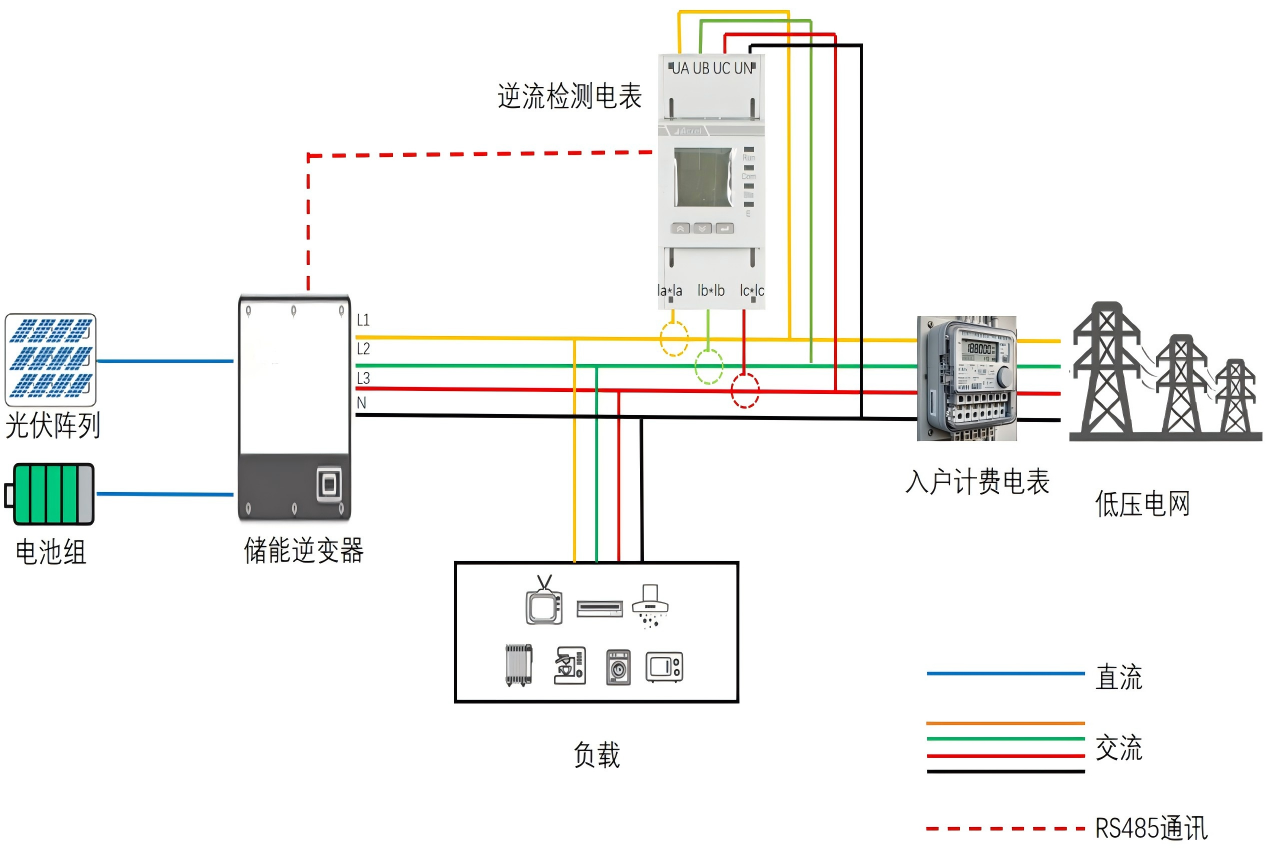
Core Challenges Facing Residential PV
1. Low Generation Efficiency and Unclear ROI
Residential PV often suffers efficiency losses from shading or inverter failures, with users unable to accurately calculate generation volumes and cost benefits.
Monitoring devices can track real-time generation per PV string and grid interaction. ADL200M/400M's dual-loop function distinguishes between direct PV supply and storage charge/discharge data, helping users identify underperforming components or faulty equipment while accurately calculating feed-in tariff revenues to prevent profit loss.
2. Poor Grid Compliance and Risk of Penalties (Anti-backflow Monitoring)
Many regions like Europe and America mandate anti-backflow monitoring, with violations incurring heavy fines.
Risks of reverse power flow:
Local grid overload: Multiple users simultaneously feeding power back can cause distribution transformers and lines to overload and overheat, accelerating aging or damage.
Voltage excursions and power quality degradation: Local grid voltage rise exceeding rated ranges (e.g., 230V±10%) can damage neighbors' appliances and introduce harmonic pollution.
Islanding effect: If the grid fails but a user's PV/storage system continues operating and feeding local lines, it **endangers maintenance personnel's lives.
ADL200W/400W monitors grid-connection current in real-time, enabling rapid current limiting in coordination with inverters to ensure grid compliance.
3. High O&M Costs and Difficult Fault Diagnosis Scattered residential PV sites make manual inspections costly with delayed fault detection.
ADL200W/ADL400W support remote data upload via WiFi, allowing users and O&M personnel to monitor system status in real-time via mobile apps or platforms. Automatic alerts for abnormal voltage or metering deviations enable rapid fault localization, significantly reducing O&M costs.
Acrel Solution
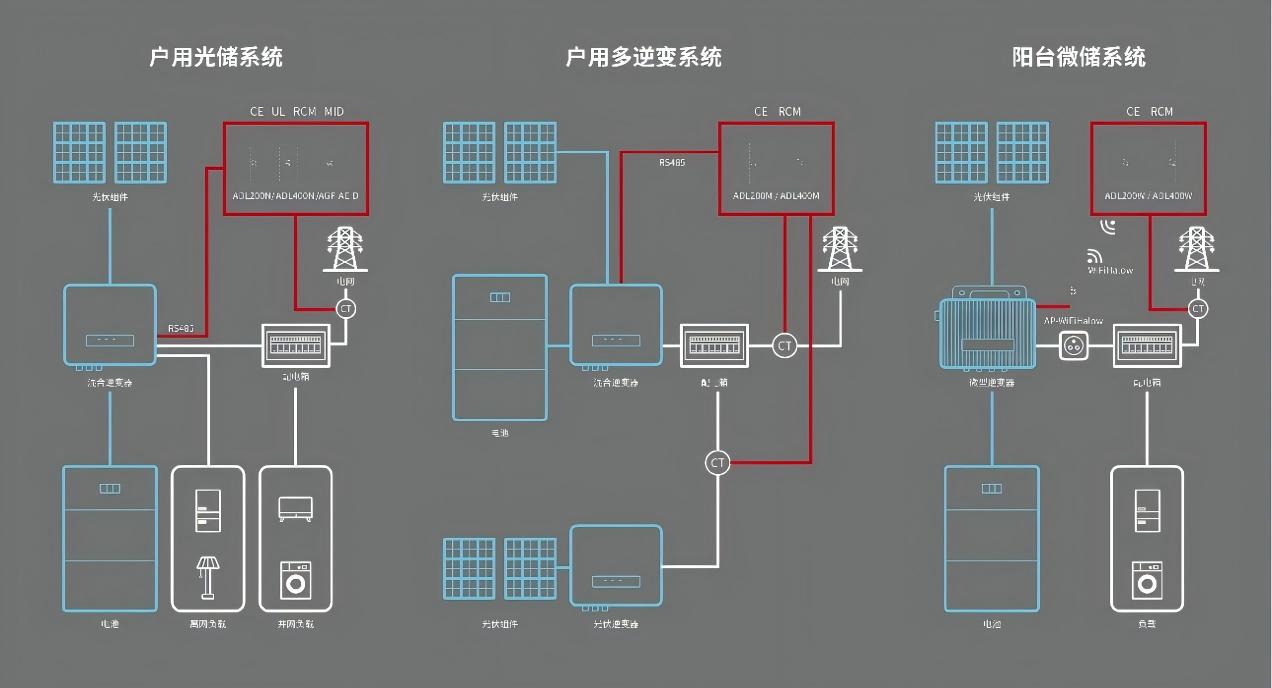
Residential PV System: Basic PV/storage system, focusing on anti-backflow monitoring and grid connection point status.
Multi-Inverter Household System: Under a basic PV/storage system, an additional PV/storage system is retrofitted to create a multi-inverter configuration. ADL meters interact with the main hybrid inverter by monitoring the original PV generation and grid connection point current to achieve anti-backflow monitoring functionality.
Residential Multi-Inverter System: Suitable for homes with scattered PV arrays (multi-oriented roofs, partial shading) or multiple load types, pursuing "module-level generation efficiency maximization."
Balcony Micro-Storage System: Simple PV/storage system requiring wireless-enabled monitoring devices for anti-backflow monitoring and grid connection point status.
Acrel Solution Advantages
1. Accurate Metering Standards
- As the basis for billing or subsidy calculation, monitoring meters achieve **Class 1 accuracy** or above.
- Supports bidirectional metering to simultaneously monitor PV generation, grid purchases, and feed-in volumes, meeting net metering policy requirements.
2. Mandatory Compliance Certifications
- Passes mandatory local market certifications such as EU **CE**, US **UL**, Australia **SAA**, and Japan **JET**.
3. Adaptable Communication Options
- Supports mainstream protocols: WiFi/Bluetooth for residential scenarios (convenient for mobile app viewing); RS485/Modbus for large residential or multi-inverter systems enabling multi-device data aggregation.
4. Strong Environmental Adaptability
- Residential monitoring devices are typically installed in distribution panels, requiring **IP20 or higher** protection and -20°C~60°C operating temperature tolerance to withstand outdoor cabinet temperature variations.
Product News
-
The "Stethoscope" of Power Systems: Why You Need a Power Quality Analyzer
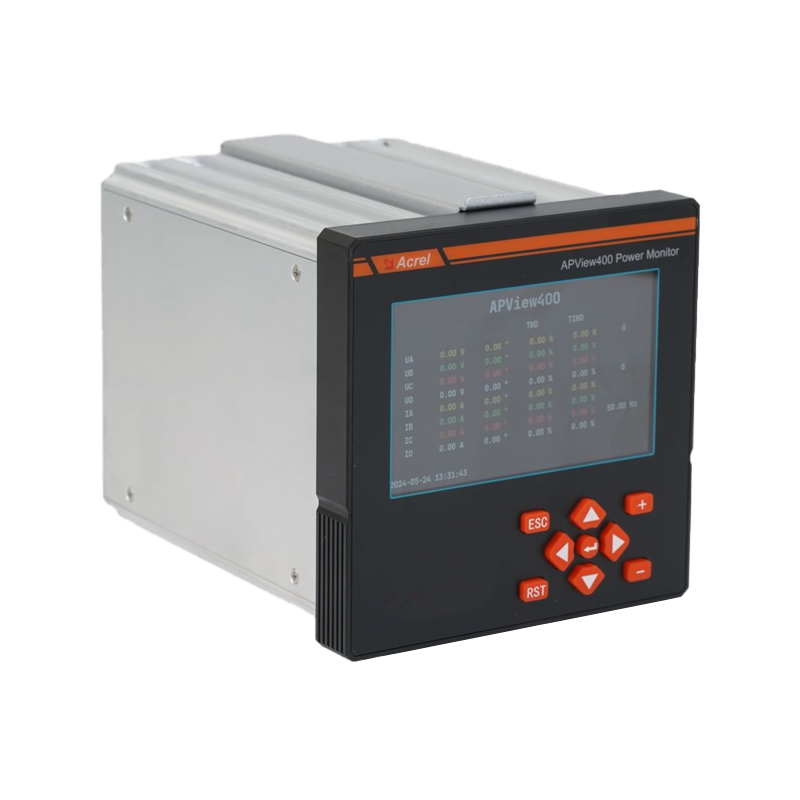 Part 1: Introduction 1.1 What is Power Quality and Why is it Important? In modern society, a stable ...View More
 -
Advancements and Applications of AC Energy Meters in Modern Power Management
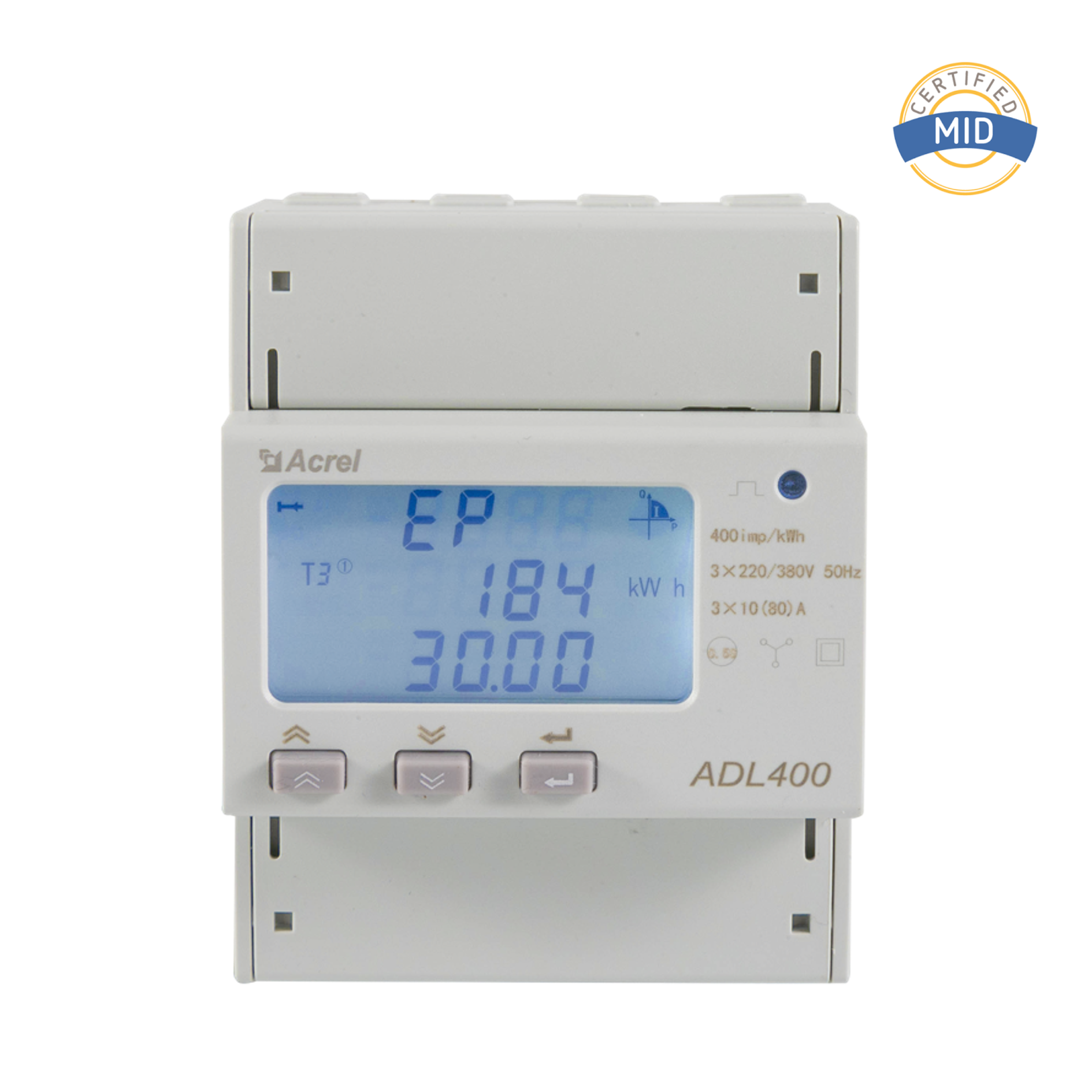 Introduction to AC Energy Meters In today’s rapidly evolving energy sector, accurate measurement and...View More
 -
What are the key differences between a basic thermal overload relay and a smart motor protection relay?
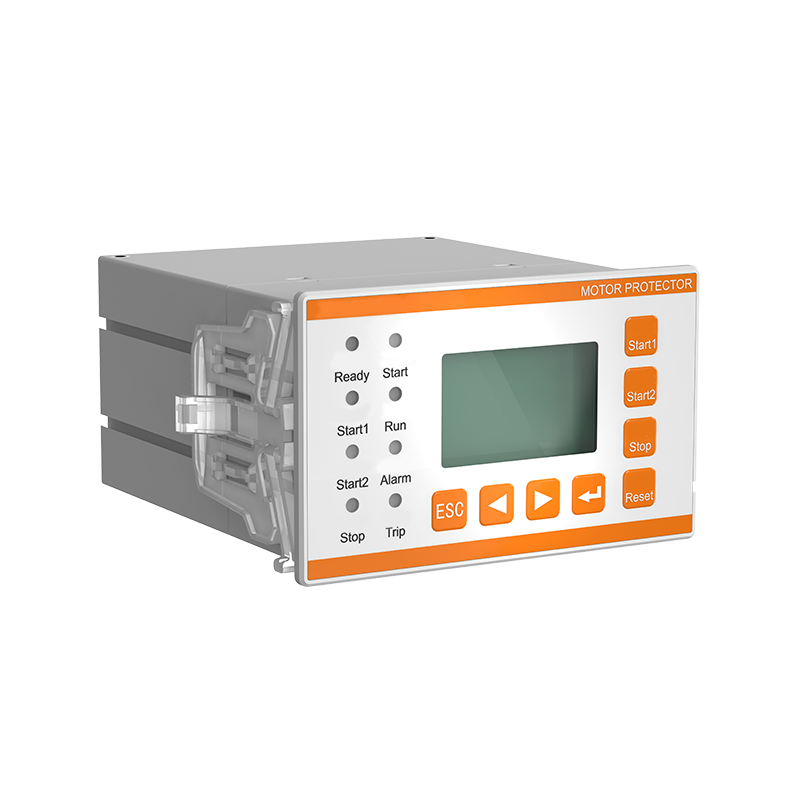 I. Introduction: The Critical Need for Motor Protection Electric motors are the undisputed workhorse...View More
 -
Precision and Versatility: Unlocking Efficiency with Panel Mount Multifunction Meters
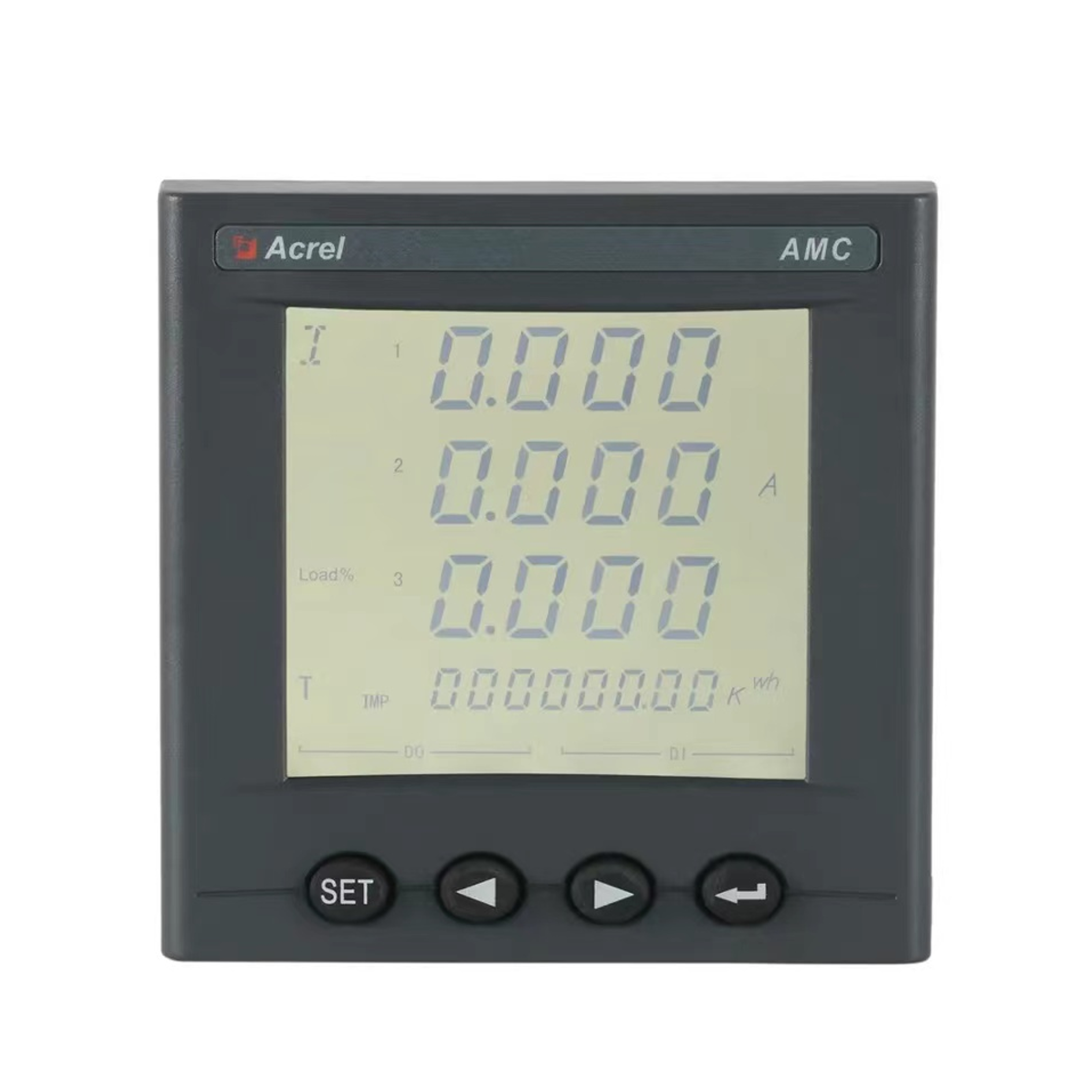 Introduction In modern industrial and commercial power environments, precise measurement and managem...View More


 Email: [email protected]
 Phone: +86-18702106858 / +86-21-69156352
ADDRESS
No.253 Yulv Road, Jiading District, Shanghai, PRC 201801





