What parameters can a panel mount multifunction meter measure besides kWh?
Understanding the Full Range of Measurements Offered by Panel Mount Multifunction Meters
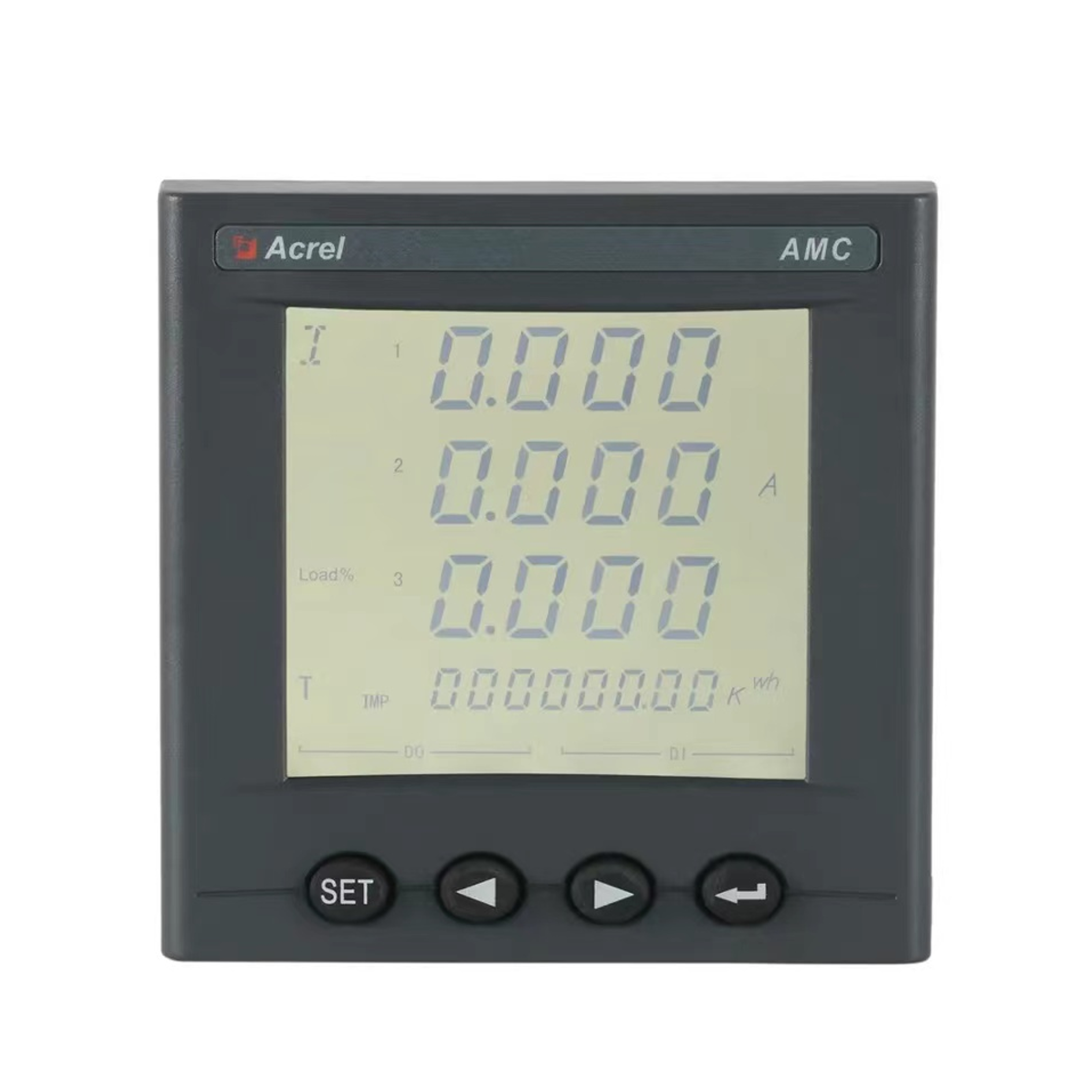
Panel mount multifunction meters are essential devices used to monitor various electrical parameters in both industrial and commercial applications. While these meters are commonly known for measuring energy consumption in kilowatt-hours (kWh), they offer a much broader range of capabilities. These meters are capable of measuring crucial electrical quantities such as voltage, current, power, frequency, and harmonic distortion. Their versatility provides users with a comprehensive understanding of the performance and efficiency of electrical systems, allowing for optimized operation and maintenance.
Key Parameters Measured by Panel Mount Multifunction Meters
Voltage (V) and Current (A)
The most fundamental electrical parameters measured by panel mount multifunction meters are voltage (V) and current (A). Voltage indicates the electrical potential difference between two points in a system, while current measures the flow of electrical charge. These parameters are vital for diagnosing electrical system performance and ensuring that equipment operates within safe limits.
Voltage can be measured in either AC (Alternating Current) or DC (Direct Current) depending on the system. Similarly, current measurements are typically made using clamp-on sensors integrated into the meter. Monitoring these parameters ensures that equipment operates efficiently, reducing the risk of overloading or short circuits.
Power (kW) and Power Factor (PF)
Power (kW) refers to the rate at which energy is used or generated in an electrical system. Multifunction meters measure active power in real time, providing operators with critical information about system energy consumption. Monitoring power helps users identify inefficiencies and reduce energy wastage.
Power factor (PF) measures the efficiency of energy usage by indicating the phase difference between the voltage and current waveforms in AC systems. A power factor close to 1 indicates optimal energy usage, while lower values suggest inefficiency. Monitoring power factor is essential for improving system performance, reducing energy costs, and preventing equipment damage.
Frequency (Hz)
Frequency, measured in hertz (Hz), is the rate at which an AC waveform cycles per second. In most regions, the standard frequency is either 50 Hz or 60 Hz. Fluctuations in frequency can indicate problems such as power grid instability or faults in equipment.
By monitoring frequency, operators can take corrective action to avoid potential damage to sensitive equipment and ensure that the system remains stable and reliable.
Energy Consumption and Demand (kWh and kVAh)
Energy consumption is one of the primary parameters measured by multifunction meters, typically in kilowatt-hours (kWh). Additionally, many meters can measure energy demand, which indicates the maximum energy consumption over a given period, usually in kilovolt-amperes hours (kVAh).
Tracking both instantaneous and cumulative energy demand allows users to optimize energy use, avoid peak demand charges, and reduce overall operating costs. Monitoring these parameters provides valuable insights into energy patterns, enabling better forecasting and resource allocation.
Panel mount multifunction meters equipped with energy monitoring features are invaluable for energy management and cost reduction strategies.
Harmonics and Total Harmonic Distortion (THD)
Harmonics are distortions in the AC waveform caused by non-linear loads, and Total Harmonic Distortion (THD) measures the extent of these distortions. Harmonics can lead to overheating, equipment damage, and inefficient energy use. Monitoring THD helps identify sources of power quality problems and allows for timely corrective actions to improve system reliability and reduce long-term costs.
Voltage and Current Imbalance
In three-phase systems, voltage and current imbalances can cause inefficiency, equipment overheating, and potential system failure. Multifunction meters are designed to detect these imbalances by comparing measurements from each phase, helping operators take corrective actions to balance the load and ensure optimal system performance.
Applications and Benefits of Multifunction Meters in Different Industries
Industrial and Commercial Applications
Panel mount multifunction meters are widely used in industrial and commercial sectors due to their ability to measure a variety of electrical parameters. Key benefits include:
Improved energy efficiency through real-time tracking of power consumption and demand.
Enhanced system reliability by identifying and correcting voltage, current, and power imbalances.
Prevention of equipment damage by monitoring power quality and harmonics.
These meters also play a crucial role in preventive maintenance, allowing users to detect potential issues before they lead to downtime or costly repairs. Additionally, they provide critical data that can be used to optimize energy usage, reducing overall operational costs and increasing cost-effectiveness.
FAQ
Q1: What is the difference between a panel mount multifunction meter and a standard energy meter?
A panel mount multifunction meter offers a wider range of measurements, such as voltage, current, power, frequency, and harmonic distortion, whereas a standard energy meter typically only tracks energy consumption (kWh).
Q2: Why is it important to measure power factor?
Power factor measurement is important because it helps identify inefficiencies in energy consumption. A low power factor means the system is not using electrical energy efficiently, which can result in higher energy costs and potential damage to equipment.
Q3: Can a panel mount multifunction meter be used for residential applications?
Yes, while these meters are typically used in industrial and commercial applications, they can also be used in residential settings to provide detailed insights into energy consumption, system performance, and power quality.


 English
 Deutsch


 Email: [email protected]
 Phone: +86-18702106858 / +86-21-69156352




