

 English
 Deutsch
News
How to Find and Identify Your Property's Energy Meter
Why Knowing Your Meter Location Matters
Every property that draws power from the grid has a dedicated energy meter tracking how much electricity flows into the building. For most homeowners, this device sits quietly out of sight until something goes wrong: a billing dispute, a planned inspection, or a sudden outage that requires a manual reading. At that point, not knowing where the meter is installed turns a five-minute task into a frustrating search.
Meter placement is not random. It follows a mix of local building codes, utility company standards, and the physical layout of the property itself. Understanding these placement patterns makes it far easier to locate your own meter quickly, whether you live in a detached house, a townhouse, or a high-rise apartment building.
In most residential construction built after 1980, meters are positioned for direct utility access from outside the building envelope, reducing the need for a technician to enter private living space.
Common Meter Locations by Property Type
Before searching room by room, it helps to know what is typical for your kind of property. The table below summarizes the most frequent installation patterns observed across residential construction.
| Property Type | Typical Meter Location | Access Point |
|---|---|---|
| Single-family detached house | Exterior side or rear wall | Ground level, near the electrical service entrance |
| Townhouse or row house | Shared exterior wall or front facade | Grouped meter bank near the property line |
| Low-rise apartment building | Basement or ground-floor utility room | Centralized meter panel with unit labels |
| High-rise apartment building | Dedicated meter closet per floor | Locked closet accessible to building staff |
| Rural property | Pole-mounted or pedestal near the property boundary | Roadside or driveway entrance |
If your home falls into more than one category, such as a converted duplex, check both the exterior walls and any shared utility spaces before assuming the meter has been removed or relocated.
How Outdoor Meter Installations Are Positioned
Outdoor installation is the most common arrangement for detached and semi-detached homes. The meter is typically mounted on a wall bracket, enclosed in a weatherproof housing, and positioned close to where the main service line enters the building.
A few consistent patterns can help narrow your search outside:
- Look near the corner of the house closest to the street-side utility pole or underground service junction.
- Check for a metal or plastic box roughly waist to shoulder height, often with a clear or tinted window on the front.
- Follow any visible conduit or cable running from the roofline or ground down to a single enclosed unit.
- If your home has a detached garage or outbuilding, confirm whether the meter serves the house, the outbuilding, or both.
Locating Meters in Apartment Buildings
Multi-unit housing presents a different challenge because individual meters are rarely mounted on each apartment's own wall. Instead, buildings use one of two common arrangements.
Centralized Meter Rooms
In many low-rise and mid-rise apartment buildings, meters for every unit are grouped together in a single locked room, typically in the basement, a ground-floor mechanical space, or a dedicated closet near the main entrance. Each meter is labeled with a unit number, though labeling accuracy can vary in older buildings.
Per-Floor Meter Closets
Taller buildings often split meters by floor rather than grouping them all in one location. A small closet on each floor, usually near the elevator lobby or stairwell, houses the meters for the units on that level.
- Ask the building manager or leasing office for the exact room number if the meter room is locked.
- Confirm your unit number matches the label exactly, since transposed digits are a common source of confusion in shared meter rooms.
- If you cannot access the meter room directly, request a copy of your unit's most recent reading from building management rather than attempting entry into a restricted space.
Finding a Meter Inside a Utility Closet
Some properties, particularly newer construction and certain regional building codes, place the electricity energy meter inside an interior utility closet rather than outdoors. This is common in areas with harsh winters, where exposed outdoor equipment is more vulnerable to weather damage.
Interior utility closets are usually located:
- Adjacent to the main electrical panel or breaker box.
- Near the garage entrance or mudroom, close to where the service line first enters the structure.
- In a dedicated mechanical room shared with the water heater or HVAC equipment.
If your home has an attached garage, that is often the fastest place to check first, since builders frequently group electrical, water, and gas equipment together for easier maintenance access.
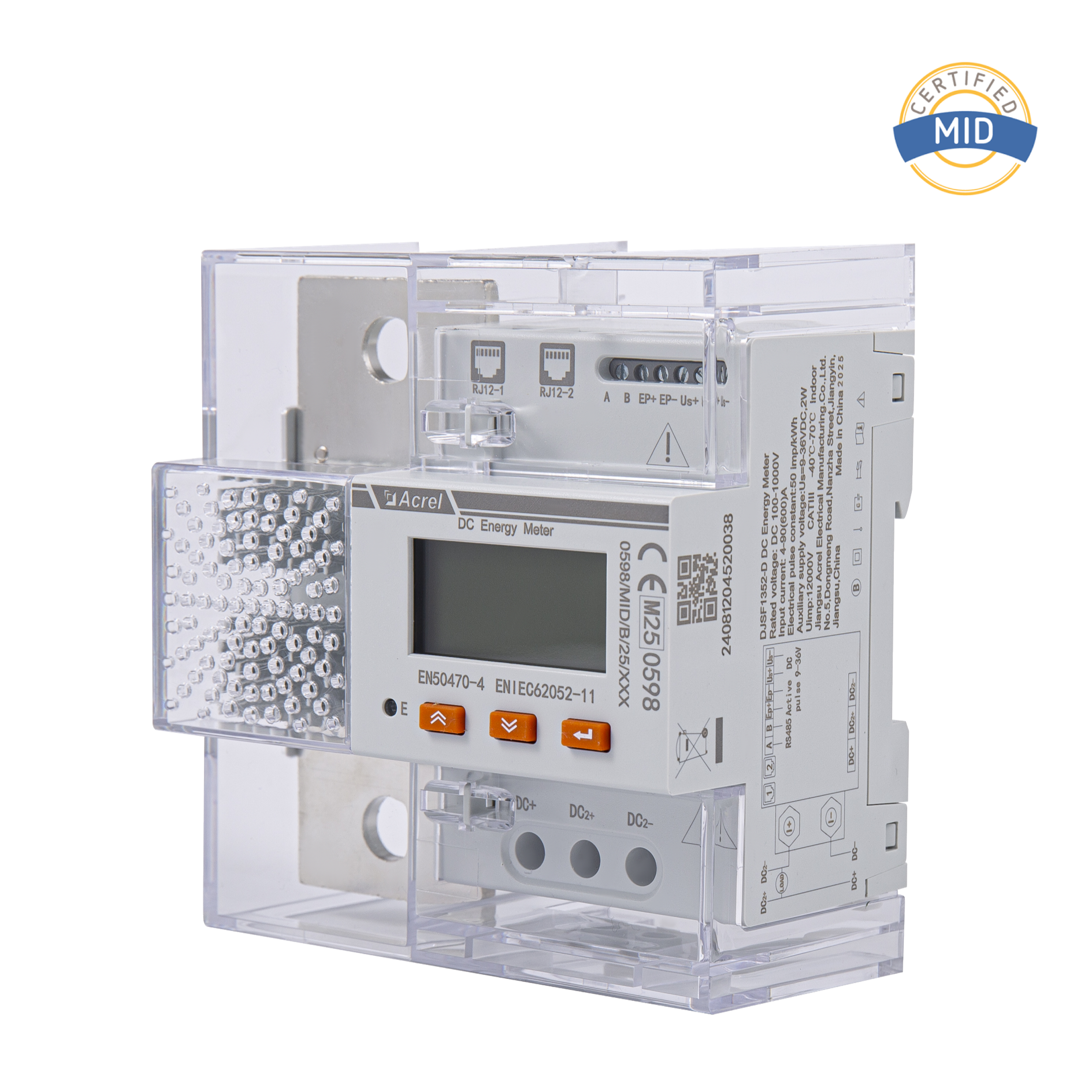
A wall-mounted meter positioned inside an interior utility space, grouped near other service equipment for easier access.
How to Identify Your Specific Meter
Once you have located the general area, the next step is confirming that a particular meter belongs to your unit or property. This matters most in shared spaces where several meters sit side by side.
Checking the Serial Number
Every meter carries a unique serial number, usually printed on a metal or laminated plate near the display window. This number should match the identifier listed on your utility billing statement or service agreement.
| Step | What to Check | Where to Find It |
|---|---|---|
| 1 | Serial number | Nameplate on the meter body |
| 2 | Unit or address label | Tag attached near the meter, or printed on the enclosure |
| 3 | Account number match | Compare against your most recent utility bill |
| 4 | Meter type marking | Small printed code indicating single-phase or three-phase service |
If two or more meters lack clear labeling, do not assume ownership based on position alone. Contact your utility provider or building manager with your account number so they can confirm the correct serial number for your service.
What to Do If You Still Cannot Find Your Meter
Occasionally a meter is genuinely difficult to locate, particularly in older properties that have been renovated or in buildings where landscaping has grown over the original access point. Work through this checklist before assuming the meter is missing.
- Re-check all exterior walls, including the sides facing neighboring properties, not just the street-facing facade.
- Look inside garages, crawl spaces, and basement mechanical rooms.
- Ask a long-term neighbor with a similar property layout where their meter is installed.
- Review your original property inspection report or builder documents, which often note utility equipment locations.
- Contact your utility provider directly. They keep a record of exact meter placement for every active service address.
Utility providers are required to maintain accurate location records for active meters, so a direct inquiry will always resolve the search faster than continued on-site guessing.
Frequently Asked Questions
Q1: Why can't I find a meter anywhere on my property?
In some regions, especially dense urban areas, meters are consolidated in a shared building space rather than mounted individually. Check with your building management or utility provider to confirm whether your property uses a centralized system.
Q2: Is it normal for a meter to be locked behind a panel?
Yes. Many utilities install a locking mechanism on the meter enclosure to prevent tampering. You can still view the display through the window, but only authorized personnel can open the panel itself.
Q3: Can I move my meter to a more convenient location?
Relocation is possible in many cases but requires approval from your utility provider and often a licensed electrician to reroute the service line safely. This is typically a paid service request rather than a do-it-yourself project.
Q4: What if the meter serial number does not match my bill?
Contact your utility provider immediately. A mismatch can indicate a labeling error in a shared meter room, which is a common but fixable issue in older multi-unit buildings.
Q5: Do apartment renters have the right to see their own meter?
In most jurisdictions, tenants are entitled to confirm their usage data, though physical access to a locked meter room may require coordination with building staff rather than independent entry.
Product News
-
The "Stethoscope" of Power Systems: Why You Need a Power Quality Analyzer
 Part 1: Introduction 1.1 What is Power Quality and Why is it Important? In modern society, a stable ...View More
 -
Advancements and Applications of AC Energy Meters in Modern Power Management
 Introduction to AC Energy Meters In today’s rapidly evolving energy sector, accurate measurement and...View More
 -
What are the key differences between a basic thermal overload relay and a smart motor protection relay?
 I. Introduction: The Critical Need for Motor Protection Electric motors are the undisputed workhorse...View More
 -
Precision and Versatility: Unlocking Efficiency with Panel Mount Multifunction Meters
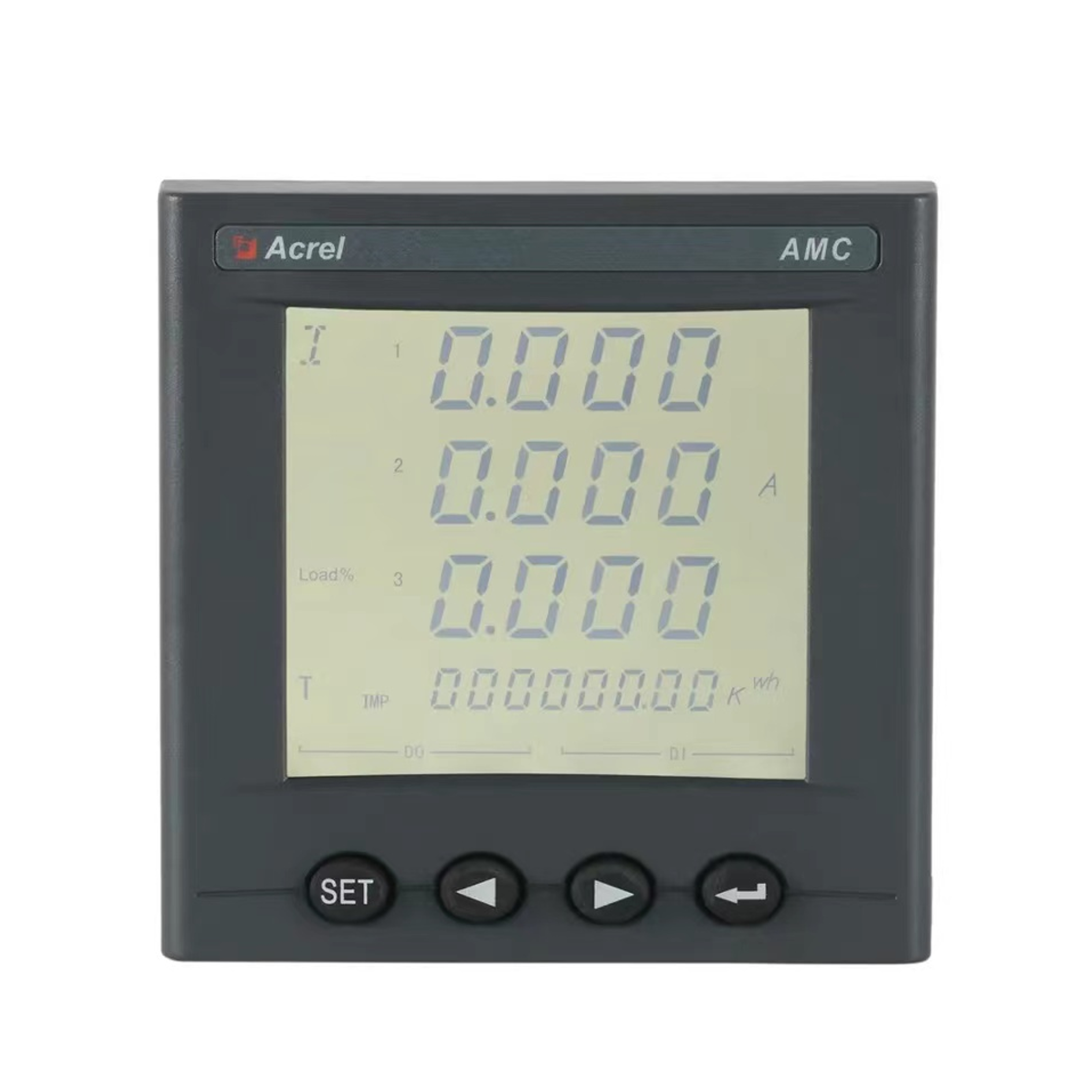 Introduction In modern industrial and commercial power environments, precise measurement and managem...View More


 Email: [email protected]
 Phone: +86-18702106858 / +86-21-69156352
ADDRESS
No.253 Yulv Road, Jiading District, Shanghai, PRC 201801





