Enabling Cellular IoT Smart Meters for Gas, Power & Water
Why Cellular IoT Is the Right Choice for Smart Meter Deployments
Cellular IoT technology is currently the most reliable and scalable communication backbone for smart metering across gas, power, and water utilities. Unlike Wi-Fi or Zigbee-based alternatives, cellular networks offer nationwide coverage without requiring on-site infrastructure. As of 2024, over 1.3 billion IoT connections globally rely on cellular networks, with smart metering accounting for one of the largest use-case segments.
For utility operators managing thousands of endpoints across urban and rural areas, this translates directly into lower deployment costs, higher data reliability, and remote manageability — three pillars that define successful metering programs. The AC Multi Channels Wireless IoT Energy Meter is designed precisely to meet these requirements at scale.
How Cellular IoT Smart Meters Work Across Gas, Power, and Water
Cellular IoT smart meters operate by embedding SIM-enabled communication modules (typically NB-IoT, LTE-M, or 4G) directly into the metering device. These modules transmit consumption data at configurable intervals to a cloud-based meter data management system (MDMS) — eliminating manual reading, improving billing accuracy, and enabling real-time alerts.
Gas Metering
Gas smart meters leverage NB-IoT due to its low power consumption and deep indoor penetration. A single battery can last over 10 years in typical deployments. Data is transmitted daily or hourly, enabling detection of abnormal flow patterns that may indicate leaks or tampering.
Power (Electricity) Metering
Electricity meters require higher data throughput and multi-circuit monitoring. LTE-M or 4G-enabled energy meters capture voltage, current, power factor, and harmonic data simultaneously across multiple circuits. Multi-channel designs can monitor up to 48 circuits in a single device, reducing hardware costs by up to 60% compared to deploying individual single-circuit meters.
Water Metering
Water meters installed in underground pits or basements benefit from NB-IoT's superior signal penetration. Cellular connectivity enables hourly leak detection reporting — utilities deploying cellular water meters report non-revenue water (NRW) reduction of 15–25% in the first year.
Key Technical Features That Define a High-Performance Cellular IoT Energy Meter
Not all wireless IoT energy meters are equal. The following technical specifications determine whether a device is genuinely suitable for large-scale utility deployments:
Feature
Specification to Look For
Why It Matters
Number of Channels
8 to 48 AC circuits per device
Reduces hardware, wiring, and installation labor
Communication Protocol
NB-IoT / LTE-M / 4G LTE
Ensures coverage in urban, suburban, and rural areas
Measurement Accuracy
Class 0.5 or Class 1 (IEC 62053)
Meets utility billing and regulatory requirements
Data Transmission Interval
Configurable: 1 min to 24 hours
Balances data granularity with bandwidth usage
Communication Security
TLS 1.2 / AES-128 encryption
Protects meter data from interception or manipulation
Integration Interface
MQTT, Modbus TCP, REST API
Enables seamless MDMS and SCADA integration
Operating Temperature
-40°C to +70°C
Supports outdoor and harsh environment installation
Ingress Protection
IP65 or higher
Withstands dust, humidity, and water exposure
Devices meeting these benchmarks are suitable for AMI (Advanced Metering Infrastructure) rollouts under regulatory frameworks such as EU Directive 2019/944 for electricity and the U.S. FERC Order 2222.
Multi-Channel Architecture: The Core Advantage for Commercial and Industrial Sites
Single-circuit meters are adequate for residential use, but commercial buildings, industrial facilities, and utility substations require multi-circuit monitoring — often across dozens of branch circuits, phases, and loads simultaneously. This is where multi-channel wireless IoT energy meters provide decisive value.
A typical 10-story office building may have 30–40 separate electrical circuits for lighting, HVAC, elevators, IT infrastructure, and tenant spaces. Deploying single-circuit meters would require 30–40 devices, 30–40 communication modules, and a complex wiring scheme. A single AC multi-channel IoT meter covering all circuits consolidates this into one device with one cellular connection — reducing installation time by up to 70% and maintenance overhead significantly.
Monitor each circuit independently for granular load profiling
Identify energy waste at the circuit level, not just at the building level
Enable tenant-level sub-billing without additional hardware
Support demand response programs by providing real-time load data per circuit
Reduce wiring complexity with shared current transformer (CT) clamp installation
Cellular IoT vs. Other Wireless Technologies for Smart Metering
Choosing the right communication technology is critical for long-term performance. Here is how cellular IoT compares against commonly used alternatives in smart metering deployments:
Technology
Coverage
Power Usage
Data Rate
Infrastructure Required
Best Use Case
NB-IoT
Nationwide (via carrier)
Very Low
Low
None (carrier-provided)
Gas, water meters
LTE-M
Nationwide (via carrier)
Low–Medium
Medium
None (carrier-provided)
Multi-channel electricity meters
Wi-Fi
Local (50–100m)
High
High
Router/AP required on-site
Home energy monitors
Zigbee / Z-Wave
Local mesh (up to 300m)
Very Low
Very Low
Gateway required on-site
Residential HAN devices
LoRaWAN
Regional (up to 15km)
Very Low
Very Low
Gateway required
Rural agricultural monitoring
For utility-grade deployments, cellular IoT — particularly NB-IoT and LTE-M — is the only technology that eliminates the need for on-site communication infrastructure while delivering nationwide coverage, regulatory compliance, and carrier-backed SLA guarantees.
Deployment Scenarios: Where Cellular IoT Smart Meters Deliver the Most Value
Cellular IoT smart meters are not limited to a single use case. Their flexibility makes them suitable across a wide range of deployment environments:
Large Commercial Buildings
Office towers, shopping malls, and hospitals use multi-channel IoT meters to track energy consumption per floor, department, or tenant. This data feeds energy management systems (EMS) to support ISO 50001 certification and ESG reporting. Buildings using granular circuit-level data reduce energy consumption by 10–20% within 12 months of deployment.
Utility AMI Rollouts
National and regional utilities deploy cellular smart meters as part of Advanced Metering Infrastructure programs. Cellular connectivity eliminates the need to build mesh network infrastructure, cutting AMI deployment costs by 30–40% compared to PLC (Power Line Communication) or RF mesh alternatives. Over 65 countries have active AMI rollout mandates as of 2024.
Industrial Campuses and Factories
Manufacturing facilities use multi-channel meters to monitor motor loads, HVAC systems, and production line energy in real time. Integration with SCADA systems via Modbus TCP or MQTT enables automated demand-side management and preventive maintenance triggers based on power anomalies.
Remote and Rural Infrastructure
Water pumping stations, gas distribution nodes, and renewable energy installations in remote areas benefit most from cellular connectivity. With no local IT infrastructure required, a cellular IoT meter can be operational within 30 minutes of installation — simply by inserting a SIM card and powering the device.
Integration with Cloud Platforms and Energy Management Systems
A cellular IoT energy meter is only as valuable as the data ecosystem it connects to. Modern AC multi-channel wireless IoT energy meters support standard IoT communication protocols that enable seamless integration with:
MQTT brokers for real-time data streaming to cloud platforms (AWS IoT, Azure IoT Hub, or private MQTT servers)
REST API for integration with web-based dashboards, billing systems, and ERP platforms
Modbus TCP/RTU for connection to SCADA systems and industrial automation controllers
DLMS/COSEM protocol for compatibility with utility-grade MDMS platforms
Data visualization typically includes interval energy data (kWh), demand profiles (kW), power quality metrics (voltage, current, power factor, harmonics), and event logs (tamper alerts, outage detection). This creates a complete digital twin of the energy environment at the circuit level.
Regulatory Compliance and Standards for IoT Smart Meters
Deploying cellular IoT smart meters in regulated utility environments requires compliance with multiple international and regional standards. Key standards applicable to AC multi-channel wireless IoT energy meters include:
IEC 62052-11 / IEC 62053-21/22/23: Electricity metering equipment — general requirements and accuracy classes
IEC 62056 (DLMS/COSEM): Data communication standard for electricity metering
3GPP NB-IoT / LTE-M standards: Cellular module compliance for global carrier interoperability
CE / FCC / RCM marking: Regional electromagnetic compatibility and safety certifications
GDPR / data localization requirements: Ensures metering data handling complies with regional data privacy regulations
Procurement teams should verify that any cellular IoT energy meter carries the certifications required by the target deployment region. Non-compliant devices risk regulatory penalties and network operator rejection during SIM provisioning.
FAQ: AC Multi Channels Wireless IoT Energy Meter & Cellular Smart Metering
Q1: What is an AC multi-channel wireless IoT energy meter?
It is a single metering device that simultaneously monitors multiple AC electrical circuits and transmits the data wirelessly via cellular networks (NB-IoT, LTE-M, or 4G), eliminating the need for multiple individual meters or on-site communication gateways.
Q2: How many circuits can one device monitor?
Depending on the model, a single AC multi-channel IoT energy meter can monitor between 8 and 48 circuits simultaneously, making it suitable for commercial buildings, industrial facilities, and utility substations.
Q3: Is cellular IoT reliable enough for utility billing applications?
Yes. Cellular networks provide carrier-backed SLAs with uptime guarantees typically above 99.5%. Combined with onboard data buffering (usually 30+ days of local storage), no data is lost even during temporary network outages.
Q4: What cellular technologies are used in IoT smart meters?
The three main technologies are NB-IoT (best for low-power, low-data applications like gas and water), LTE-M (suitable for electricity meters needing higher throughput), and 4G LTE (for high-data industrial deployments).
Q5: Can these meters be integrated with existing SCADA or EMS platforms?
Yes. Standard integration protocols include MQTT, Modbus TCP, REST API, and DLMS/COSEM, enabling direct connectivity with most SCADA systems, energy management platforms, and utility MDMS software.
Q6: What is the typical installation time for a cellular IoT energy meter?
A basic installation using clamp-type current transformers (CTs) typically takes 30–60 minutes per device. No additional network infrastructure is required — only a SIM card and power connection.
Q7: Are cellular IoT smart meters secure?
Enterprise-grade models use TLS 1.2 encryption for data transmission and AES-128 for data storage, meeting cybersecurity requirements for utility infrastructure. Always verify the specific encryption standards before procurement.
Q8: Can one meter handle three-phase and single-phase circuits simultaneously?
Yes. Multi-channel IoT meters typically support mixed configurations — monitoring both three-phase loads (motors, HVAC) and single-phase branch circuits within the same device, which is essential for real-world commercial and industrial applications.


 English
 Deutsch
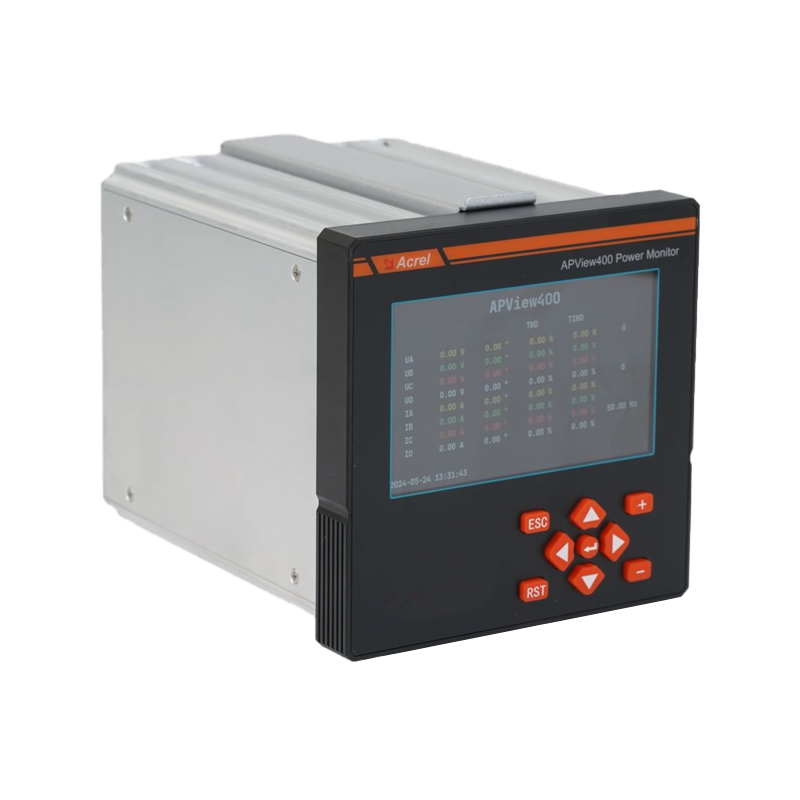 Part 1: Introduction 1.1 What is Power Quality and Why is it Important? In modern society, a stable ...View More
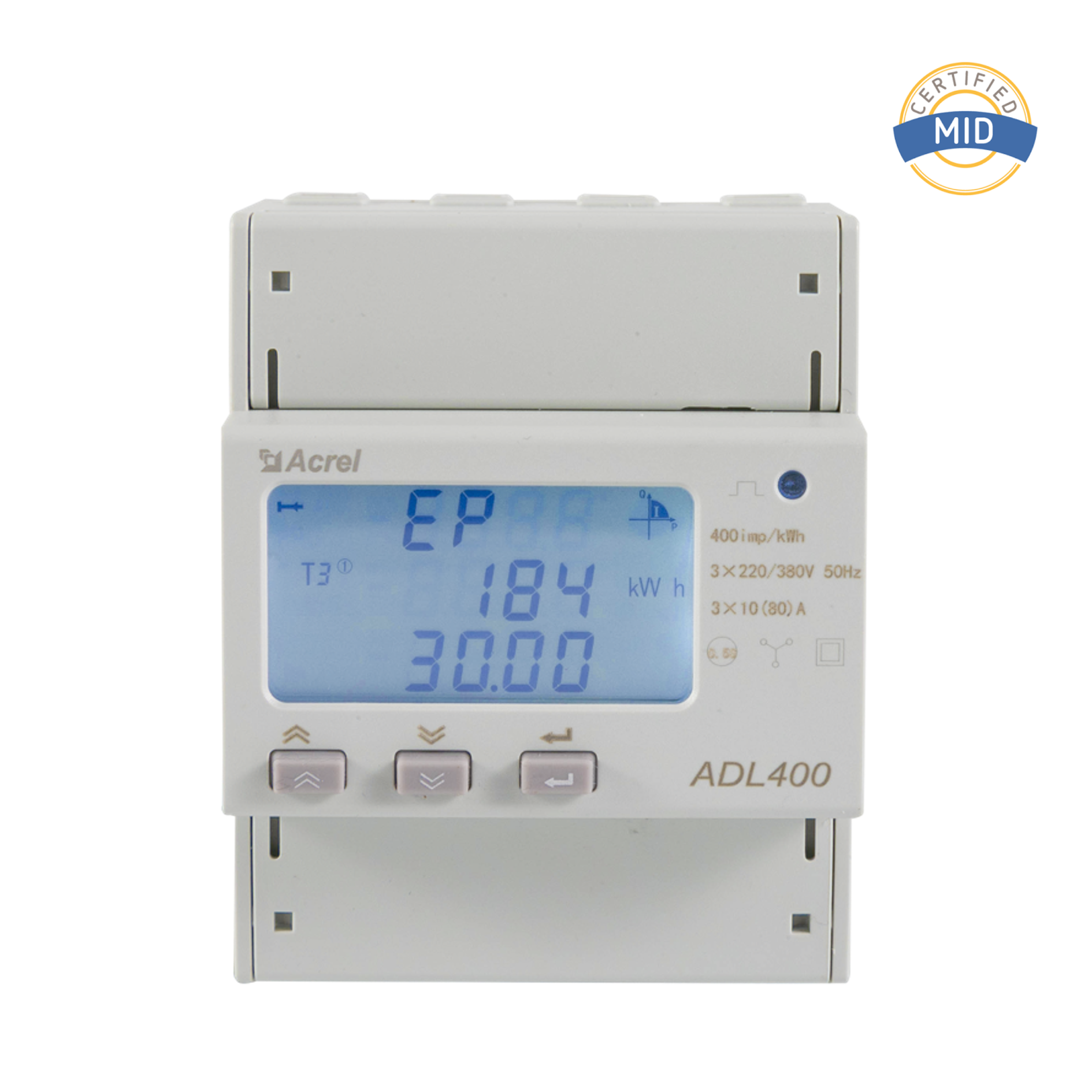 Introduction to AC Energy Meters In today’s rapidly evolving energy sector, accurate measurement and...View More
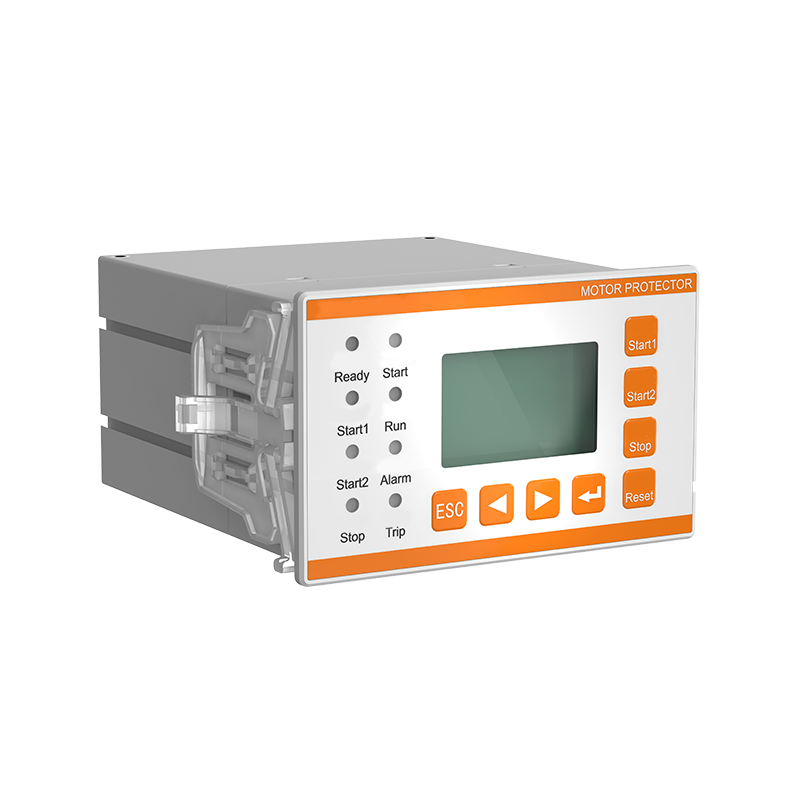 I. Introduction: The Critical Need for Motor Protection Electric motors are the undisputed workhorse...View More
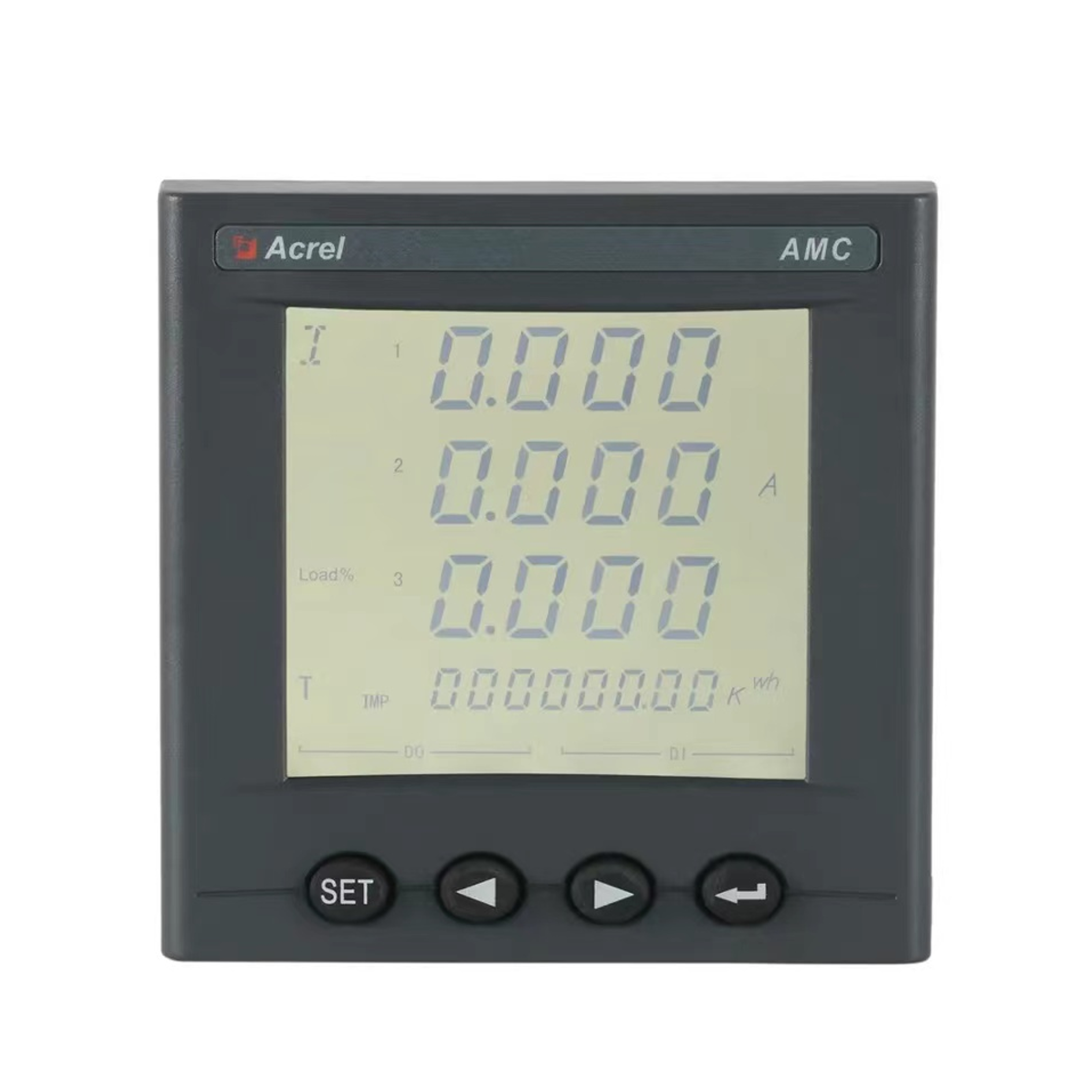 Introduction In modern industrial and commercial power environments, precise measurement and managem...View More

 Email: [email protected]
 Phone: +86-18702106858 / +86-21-69156352




