Can you explain to me why smart meters aren't dangerous
Understanding the Safety of Modern Energy Measurement Devices
The transition to smart grid technology has brought Panel Mount Multifunction Meter devices into widespread use across residential, commercial, and industrial settings. Despite their proven benefits for energy efficiency and grid management, some concerns have emerged regarding their safety. This comprehensive analysis examines the scientific evidence, regulatory standards, and operational characteristics that demonstrate why these advanced metering systems pose no danger to human health or property.
How Smart Meters Actually Work
To address safety concerns effectively, it is essential to understand the fundamental operation of smart metering technology. Unlike traditional electromechanical meters that simply record cumulative energy consumption, modern multifunction meters employ sophisticated electronic components to measure multiple electrical parameters simultaneously.
Core Components and Functions
A typical Panel Mount Multifunction Meter integrates several measurement capabilities into a single compact unit. These devices simultaneously monitor voltage, current, active power, reactive power, power factor, frequency, and energy consumption. The internal architecture consists of precision voltage and current sensors, analog-to-digital converters, microprocessors for data processing, and communication modules for remote data transmission.
The measurement process involves sampling electrical waveforms at high frequencies, typically thousands of times per second, to calculate accurate power measurements. This digital approach eliminates the mechanical wear associated with traditional meters while providing significantly higher accuracy levels, often achieving measurement precision within 0.5% or better.
Communication Technology Overview
Smart meters communicate usage data through various wireless and wired protocols. Common transmission methods include cellular networks, radio frequency mesh networks, power line communication, and fiber optic connections. The choice of communication method depends on infrastructure availability, geographic considerations, and utility company preferences. Each transmission technology has been rigorously tested and certified to meet strict electromagnetic compatibility and safety standards.
Radio Frequency Emissions: Facts and Measurements
One of the primary concerns regarding smart meter safety relates to radio frequency emissions. Understanding the actual levels of RF energy produced by these devices requires examining measurement data and comparing it against established safety limits.
RF Power Output Comparison
Smart meters operate at remarkably low power levels compared to everyday consumer devices. A typical smart meter transmits at power levels between 0.1 to 1 watt, depending on the specific communication technology employed. For context, this represents a fraction of the output from common household devices:
Device Type
Typical RF Power Output
Usage Pattern
Smart Meter
0.1 - 1 watt
Brief bursts, minutes per day
Wi-Fi Router
0.1 - 0.5 watts
Continuous transmission
Cell Phone
0.6 - 2 watts
Held directly against body
Microwave Oven
600 - 1200 watts
Shielded enclosure
The data clearly demonstrates that smart meters operate at power levels comparable to or lower than devices that have been safely used in homes for decades. Furthermore, smart meters transmit in brief bursts rather than continuous streams, significantly reducing overall exposure time.
Transmission Duration and Frequency
Contrary to assumptions about constant wireless transmission, most smart meters communicate for only a few minutes per day in total. A typical Panel Mount Multifunction Meter transmits data in short bursts lasting milliseconds to a few seconds, occurring at intervals ranging from every 15 minutes to several hours depending on the utility's data collection schedule. This intermittent transmission pattern results in cumulative daily transmission times of less than 1% of the total day.
International Safety Standards and Regulatory Compliance
Smart meters must comply with stringent international safety standards before receiving approval for deployment. These regulations establish maximum allowable exposure levels based on decades of scientific research and are designed to protect all population groups, including vulnerable individuals.
Key Regulatory Frameworks
Multiple authoritative bodies have established guidelines for RF exposure limits:
FCC Regulations (United States): The Federal Communications Commission mandates that all RF devices meet specific absorption rate limits. Smart meters must demonstrate compliance with SAR limits of 1.6 watts per kilogram averaged over 1 gram of tissue for partial body exposure.
IEEE Standards: The Institute of Electrical and Electronics Engineers maintains comprehensive standards for RF exposure, with IEEE C95.1 establishing maximum permissible exposure levels across different frequency ranges.
ICNIRP Guidelines: The International Commission on Non-Ionizing Radiation Protection provides globally recognized exposure limits based on thermal and non-thermal effects research.
CE and MID Certifications (Europe): European smart meters must comply with CE marking requirements and Measuring Instruments Directive standards, ensuring both measurement accuracy and electromagnetic compatibility.
Certification Testing Procedures
Before market approval, smart meters undergo extensive testing protocols conducted by accredited laboratories. These evaluations measure RF output power, field strength at various distances, and electromagnetic compatibility with other devices. Testing scenarios simulate real-world installation conditions, including worst-case exposure scenarios where individuals might be positioned directly adjacent to the meter. Independent testing consistently shows that smart meter emissions remain 100 to 1000 times below established safety limits.
Scientific Research and Health Impact Studies
The question of smart meter safety has been extensively investigated by health organizations and research institutions worldwide. The overwhelming scientific consensus supports the safety of these devices when operated within regulatory guidelines.
World Health Organization Position
The World Health Organization has reviewed available scientific literature regarding RF electromagnetic fields and concluded that current evidence does not confirm the existence of any health consequences from exposure to low-level electromagnetic fields. The WHO notes that while some gaps in knowledge remain regarding long-term heavy use of mobile phones, smart meters operate at significantly lower power levels and exposure durations than cellular devices.
Major Health Authority Assessments
Several national health agencies have specifically addressed smart meter safety:
Public Health England: Conducted comprehensive measurements of smart meter RF emissions and concluded that exposure levels are well below international guideline limits, with no evidence of health risks.
California Council on Science and Technology: Published a report finding that RF levels from smart meters are far below FCC safety standards, typically less than 0.1% of the allowable limit at a distance of 3 feet.
Health Canada: Affirmed that smart meters comply with Safety Code 6 guidelines and pose no health risk to the general public.
Long-Term Exposure Research
Longitudinal studies tracking populations exposed to various RF sources, including smart meters, have not demonstrated increased incidence of adverse health effects. A review of over 25,000 scientific studies conducted over the past 30 years has failed to establish causal links between low-level RF exposure and health problems when devices operate within regulatory limits. The Panel Mount Multifunction Meter devices used in industrial applications operate under the same safety standards as residential units, further validating their safety profile.
Electrical Safety and Fire Risk Assessment
Beyond RF concerns, some questions have been raised regarding electrical safety and potential fire hazards associated with smart meter installations. Addressing these concerns requires examining installation protocols, device design features, and incident statistics.
Built-In Safety Mechanisms
Modern multifunction meters incorporate multiple safety features designed to prevent electrical hazards:
Overcurrent Protection: Internal circuitry detects abnormal current flows and can disconnect power or alert monitoring systems when thresholds are exceeded.
Temperature Monitoring: Sensors track internal component temperatures and trigger alerts or shutdowns if dangerous levels are detected.
Arc Fault Detection: Advanced models can identify characteristic signatures of electrical arcing, providing early warning of potential fire hazards in connected circuits.
Surge Protection: Integrated surge suppression components protect against voltage transients caused by lightning or grid disturbances.
Installation Quality and Professional Standards
Smart meter installation follows strict protocols established by electrical codes and utility standards. Licensed electricians perform installations, ensuring proper wire sizing, secure connections, and appropriate grounding. Post-installation inspections verify compliance with safety standards. Statistical data indicates that smart meter-related incidents account for less than 0.01% of all electrical fires, with most incidents attributable to pre-existing wiring defects rather than meter malfunction.
Fire Safety Statistics
Comprehensive analysis of fire incident data reveals that smart meters demonstrate superior safety records compared to traditional electromechanical meters. The solid-state design eliminates moving parts that can wear and generate heat, while electronic components operate at lower temperatures than mechanical systems. Insurance industry data supports these findings, with no significant increase in claims related to smart meter installations following large-scale deployment programs.
Data Privacy and Cybersecurity Protections
While not directly related to physical safety, concerns about data privacy and cybersecurity contribute to overall perceptions of smart meter safety. Understanding the protective measures implemented in modern metering systems addresses these valid concerns.
Data Encryption Standards
Smart meters employ advanced encryption protocols to protect data transmission. The Panel Mount Multifunction Meter systems used in commercial and industrial applications typically utilize AES-128 or higher encryption standards, the same protocols used in banking and military communications. This encryption ensures that energy usage data remains confidential during transmission from the meter to utility data centers.
Network Security Architecture
Utility companies implement multi-layered security architectures to protect smart grid infrastructure. These include firewalls, intrusion detection systems, regular security audits, and network segmentation that isolates metering systems from other utility operations. Access controls restrict who can view or modify meter data, with comprehensive logging of all system interactions for accountability.
Privacy Protection Measures
Regulatory frameworks in many jurisdictions mandate strict privacy protections for energy usage data. Utilities must obtain consent for data sharing, implement data minimization practices, and provide customers access to their own consumption information. Anonymization techniques aggregate data for grid management purposes while protecting individual customer identities. These measures ensure that smart meter deployment enhances energy management without compromising personal privacy.
Practical Benefits That Outweigh Perceived Risks
Beyond safety considerations, smart meters deliver tangible benefits that improve quality of life and support environmental sustainability. These advantages provide important context for evaluating the risk-benefit balance of smart meter deployment.
Energy Efficiency Improvements
Real-time consumption data enables consumers to identify energy waste and optimize usage patterns. Studies indicate that households with smart meters reduce energy consumption by 5% to 15% on average through behavioral changes informed by detailed usage information. This reduction translates to lower utility bills and decreased carbon emissions, supporting climate change mitigation efforts.
Grid Reliability and Outage Response
Smart meters enhance grid reliability by providing utilities with immediate outage notifications and detailed information about restoration progress. This capability reduces outage duration by an average of 30% and improves emergency response coordination. Remote meter reading eliminates the need for physical property access, enhancing convenience and security for consumers.
Integration with Renewable Energy
Advanced metering infrastructure supports distributed renewable energy generation by tracking bidirectional power flows. Homeowners with solar panels or wind turbines can monitor production and consumption in real-time, optimizing self-consumption and grid export strategies. This capability accelerates the transition to clean energy systems while maintaining grid stability.
Addressing Common Misconceptions
Misinformation about smart meter safety circulates through various channels, creating unnecessary anxiety. Clarifying these misconceptions with factual information helps consumers make informed decisions.
Transmission occurs in brief bursts totaling minutes per day; RF levels are thousands of times below safety limits
Smart meters cause cancer or other diseases
No peer-reviewed study has established causal links between smart meter RF exposure and disease; WHO confirms no evidence of health effects
Smart meters increase fire risk
Smart meters have better safety records than mechanical meters; incidents are extremely rare and usually caused by pre-existing wiring issues
Utilities use smart meters to spy on customers
Data collection is limited to energy usage; strict privacy regulations govern data handling and sharing
Smart meters interfere with medical devices
Testing shows no interference with pacemakers or other medical equipment when meters comply with EMC standards
Understanding the Difference Between Ionizing and Non-Ionizing Radiation
A fundamental source of confusion involves the distinction between ionizing and non-ionizing radiation. Ionizing radiation, such as X-rays and gamma rays, carries sufficient energy to remove electrons from atoms and damage DNA, potentially causing cancer. Non-ionizing radiation, including radio waves used by smart meters, lacks the energy to ionize atoms or break chemical bonds. Smart meters operate in the non-ionizing spectrum where biological effects are limited to tissue heating, and emission levels are too low to cause measurable temperature increases.
Frequently Asked Questions About Panel Mount Multifunction Meter Safety
Q1: Can smart meters affect my sleep or cause headaches?
No scientific evidence supports claims that smart meters cause sleep disturbances or headaches. The RF emissions from these devices are minimal and occur infrequently. Double-blind studies have failed to demonstrate that individuals can detect smart meter presence or operation through physiological symptoms.
Q2: Are children and pregnant women at higher risk from smart meter exposure?
Safety standards are designed to protect all population groups, including children and pregnant women. The exposure limits incorporate safety margins that account for differences in body size and tissue characteristics. Independent testing confirms that smart meter emissions remain well below these protective thresholds for all individuals.
Q3: Do smart meters affect Wi-Fi or other wireless devices in my home?
Smart meters operate on dedicated frequencies that do not interfere with Wi-Fi, Bluetooth, or cellular devices. Electromagnetic compatibility testing ensures that meters neither emit interference nor are susceptible to interference from other devices. Millions of installations worldwide demonstrate successful coexistence with home electronics.
Q4: Can I opt out of having a smart meter installed?
Regulations regarding smart meter opt-out vary by jurisdiction. Many utilities offer opt-out programs that may involve additional fees to cover manual meter reading costs. However, considering the safety profile and benefits of smart meters, most consumers find participation advantageous.
Q5: How can I verify that my smart meter is operating safely?
All smart meters display certification markings indicating compliance with relevant safety standards. If you have specific concerns, you can request information from your utility about the meter model and its certifications. Professional RF measurement services can also verify emission levels at your property if desired.
Q6: Do panel mount multifunction meters have different safety considerations than residential smart meters?
The Panel Mount Multifunction Meter devices used in industrial and commercial applications follow the same safety standards as residential units. These meters often feature enhanced protection ratings for challenging environments while maintaining RF emission levels within regulatory limits. Installation in electrical panels provides additional shielding that further reduces any potential exposure.


 English
 Deutsch
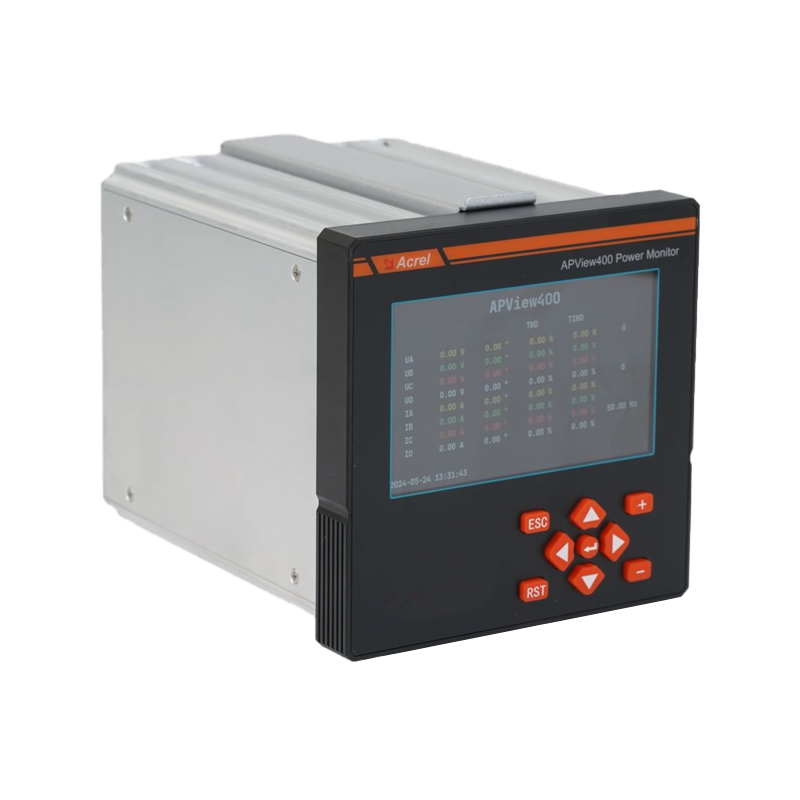 Part 1: Introduction 1.1 What is Power Quality and Why is it Important? In modern society, a stable ...View More
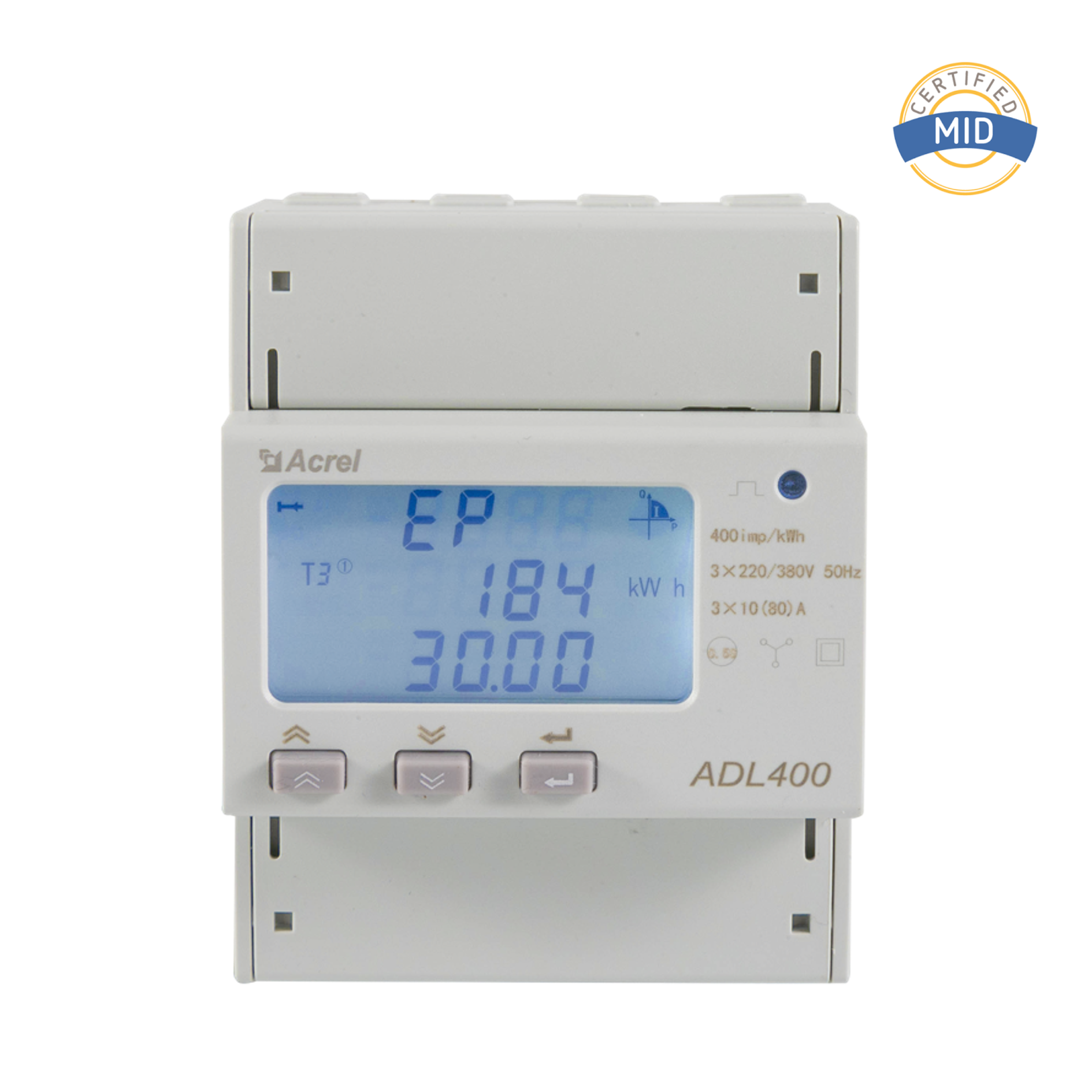 Introduction to AC Energy Meters In today’s rapidly evolving energy sector, accurate measurement and...View More
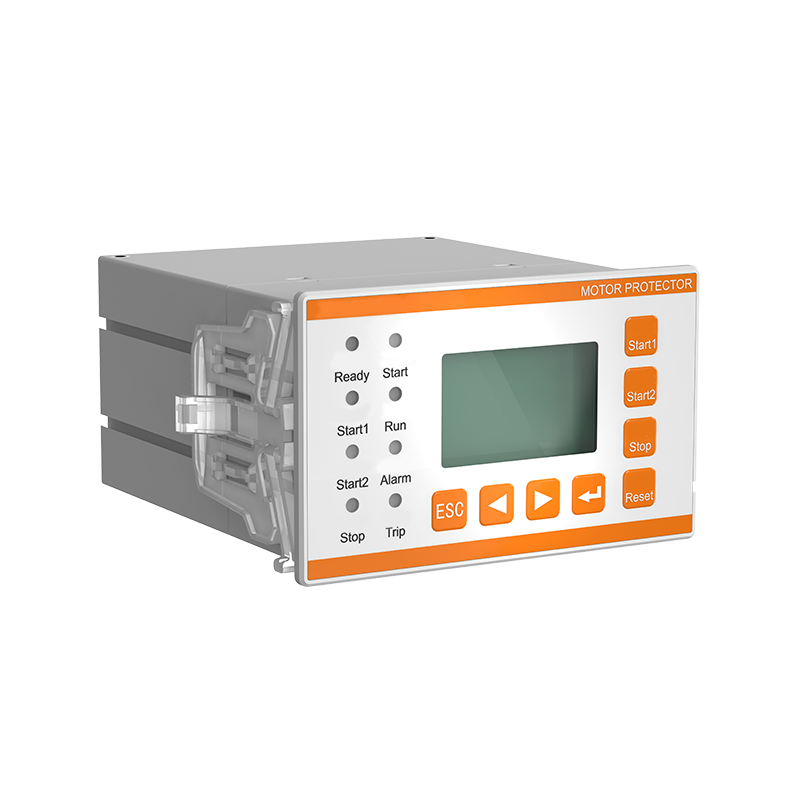 I. Introduction: The Critical Need for Motor Protection Electric motors are the undisputed workhorse...View More
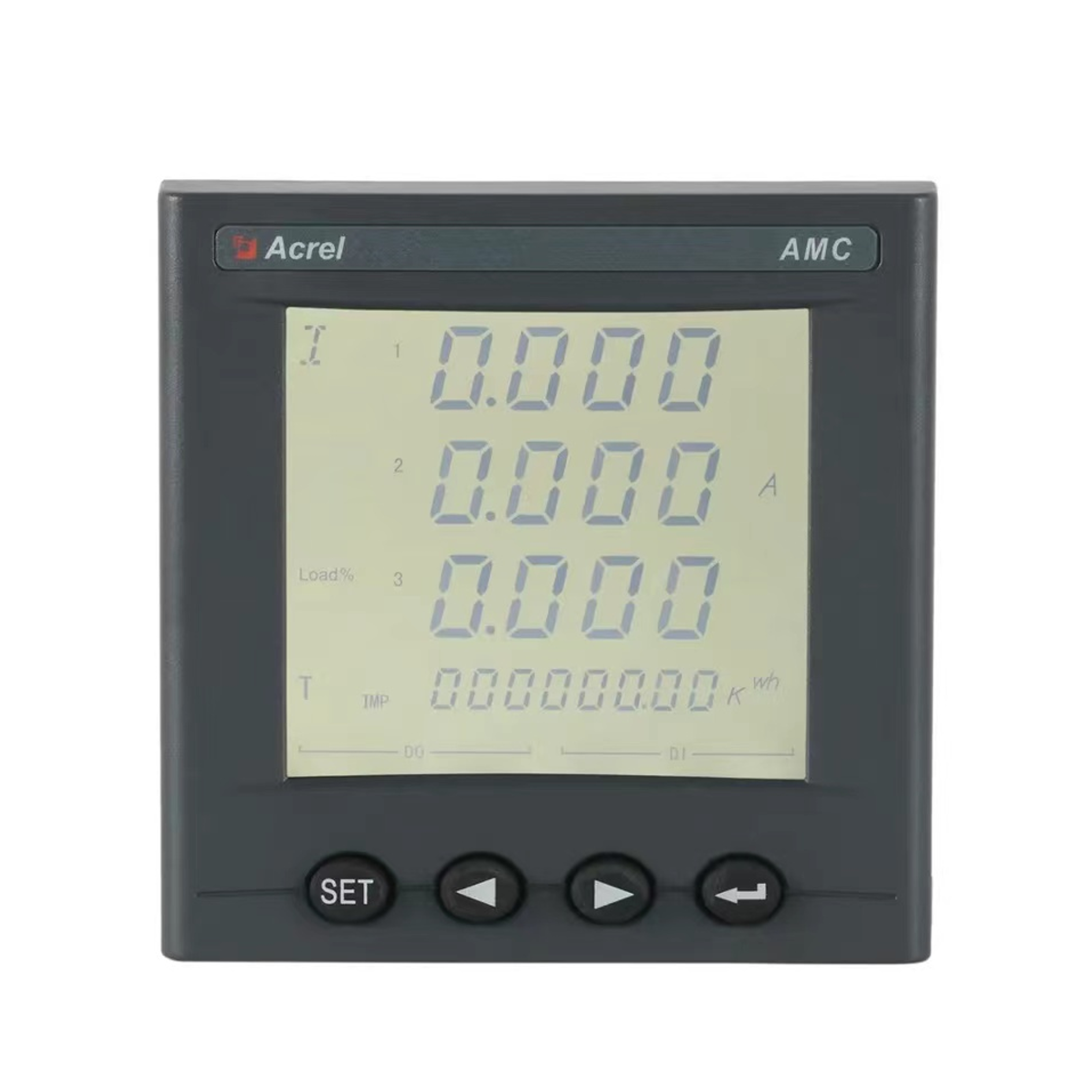 Introduction In modern industrial and commercial power environments, precise measurement and managem...View More

 Email: [email protected]
 Phone: +86-18702106858 / +86-21-69156352




