

 English
 Deutsch
Acrel LoRaWAN Energy IoT Solution
Standard and Policy
In June 2025, the European Conference on Post and Telecommunications (CEPT) approved a resolution titled ECC DEC(25)02, explicitly permitting the sharing of low-power devices (LPD-S) with satellite communications (i.e., non-terrestrial cellular networks) in the 862-870 MHz short-range device (SRD) frequency band. This move... LoRaWAN, particularly its satellite-assisted deployment, is a key legal and spectrum framework in Europe. In November 2021, the International Telecommunication Union (ITU) approved LoRaWAN as the international standard for Low-Power Wide-Area Networks (LPWAN) (ITU-T Y.4480). Building upon the LoRaWAN link layer protocol, this standard has significantly enhanced its global market recognition and interoperability, accelerating the standardized adoption of LoRaWAN worldwide. In 2020, the Italian government enacted the Decreto Semplificazioni (Simplification Decree), lifting the previous time limit restrictions on LoRaWAN deployment. This policy shift enabled permanent LPWAN/LoRaWAN network deployment, providing a policy foundation for commercial and large-scale implementation. In 2019, the Ministry of Industry and Information Technology issued the "Technical Requirements for Low-Power Short-Range Radio Transmitters" and related announcements (especially Announcement No.52 of 2019). These regulations clearly defined the boundaries for the use of LoRaWAN technology in China.
Market pain points
In the process of promoting the transformation of electric energy metering and energy management Internet of things, some common problems and challenges are often encountered in the early implementation stage.
- High retrofitting difficulty: In existing buildings or factories, traditional energy and power systems predominantly use wired communication. Retrofitting requires rewiring, which involves prolonged construction periods, high costs, and may disrupt normal production and operations.
- 02. Poor signal coverage: 4G networks underground sealing of rooms, distribution rooms, hospital floors, and factory buildings In the closed environment, the signal attenuation is serious and the data transmission is easy to be interrupted.
- High communication costs: Traditional 4G solutions each The device needs to be equipped with an Internet of Things card separately, which results in high communication and management costs.
- 04. Challenges in Large-Scale Deployment: Numerous End Circuits in Campus or Factory Areas, Node Management and Configuration The network is complicated and easy to network congestion or management problems.
LoRaWAN Platform Solution Advantages
- ultra long range communication With a maximum range of 15-20 km in line-of-sight and 2-5 km coverage in urban environments, this technology significantly outperforms Wi-Fi in range, making it ideal for scenarios with extensive coverage and numerous access points.
- Flexible deployment and low cost The company platform supports fast self To build a LoRa network, no rewiring is required as it can be directly added to the existing system, enabling a cost-effective wireless upgrade.
- self-organizing and unlicensed band Based on unlicensed frequency bands (such as China 470-510 MHz), there is no need for spectrum licensing fees. Unlike NB, 4G requires no carrier base stations for easy self-built networks.
- Platform-level intelligent management The platform and LoRaWA N network The system features deep integration of network and optical modules, supporting automatic meter reading and real-time data collection, thereby enhancing operational efficiency. The system realizes automatic fault identification, threshold warning and energy consumption abnormal alarm, and improves the system security and response speed.
- Open ecology and strong compatibility Open LoRaWAN It is compatible with mainstream devices and gateway manufacturers, and provides standardized API interfaces to achieve multi-system collaboration.
Application Scenarios
Smart Park In industrial parks or science parks, The LoRaWAN network can cover the entire campus. Implement sub-item energy consumption monitoring and equipment status acquisition. Lighting control, security alarm, and other functions
Smart Building Suitable for office buildings, commercial complexes, and residential areas. Scenarios such as residential communities. LoRaWAN enables terminals such as electricity meters, water meters, air conditioners, and lighting systems Data acquisition and control, no wiring modification required
Smart Factory In manufacturing, LoRaWAN can be used for devices. Energy consumption monitoring, power collection of production line, power distribution safety early warning, environmental temperature and humidity monitoring, etc.
Smart City LoRaWAN can be used for urban-level energy and public Facility monitoring, such as streetlight control and environmental monitoring, Remote meter reading for water, electricity, and gas
School and Hospital In educational and medical settings, LoRaWAN can Implement electrical energy monitoring in laboratories and wards, for The staff dormitory is charged for water and electricity.
Acrel Solution
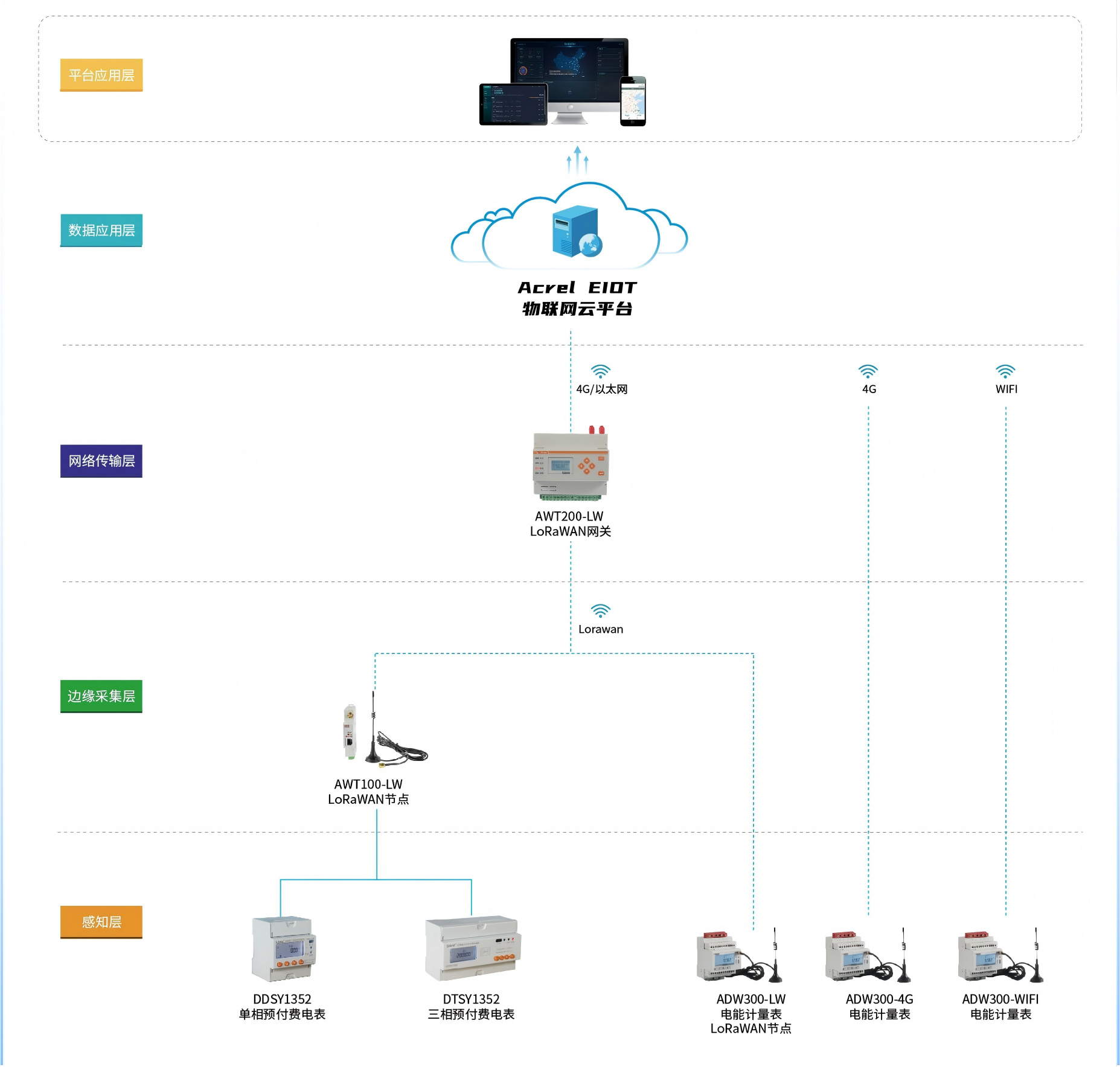
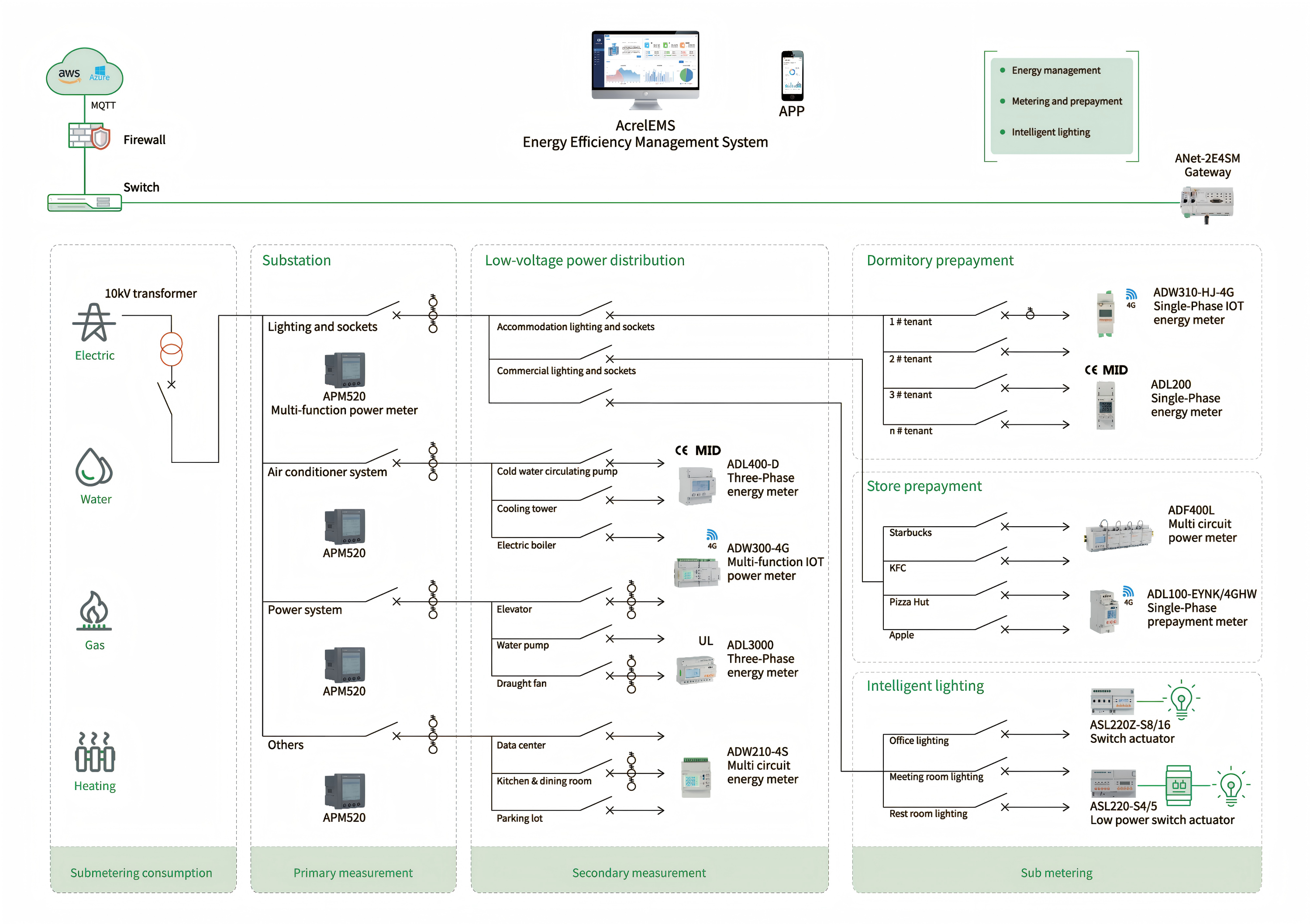
| Product | Model | Picture |
| LoRaWAN Transfer Module: Frequency Bands: CN470/EU868/AU915/AS923 | AWT100-LW | 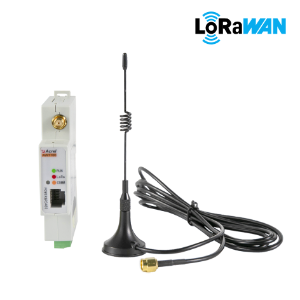 |
| Energy Meter with LoRaWAN Communication | ADW300-LW | 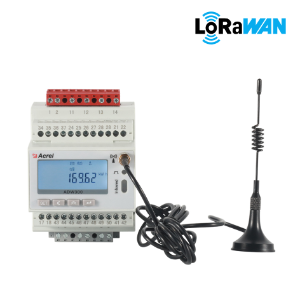 |
| LoRaWAN Gateway | AWT200-LW | |
| IoT Cloud Platform | Acrel-EIoT | Iot: http://iot.acrel-eem.com/ Account: acrel Password: 123456 |
-
The "Stethoscope" of Power Systems: Why You Need a Power Quality Analyzer
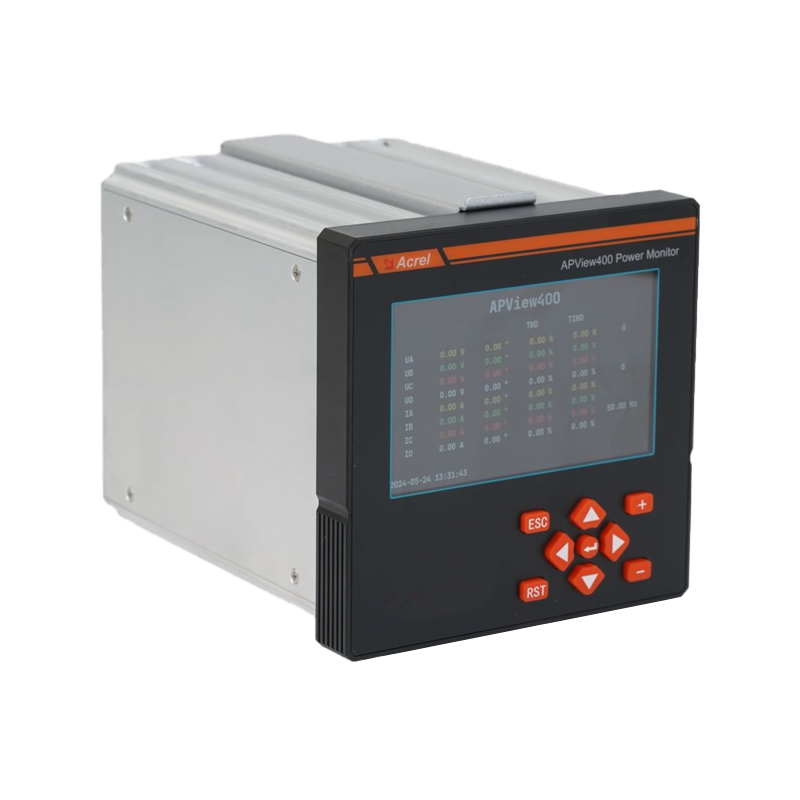 Part 1: Introduction 1.1 What is Power Quality and Why is it Important? In modern society, a stable ...View More
 -
Advancements and Applications of AC Energy Meters in Modern Power Management
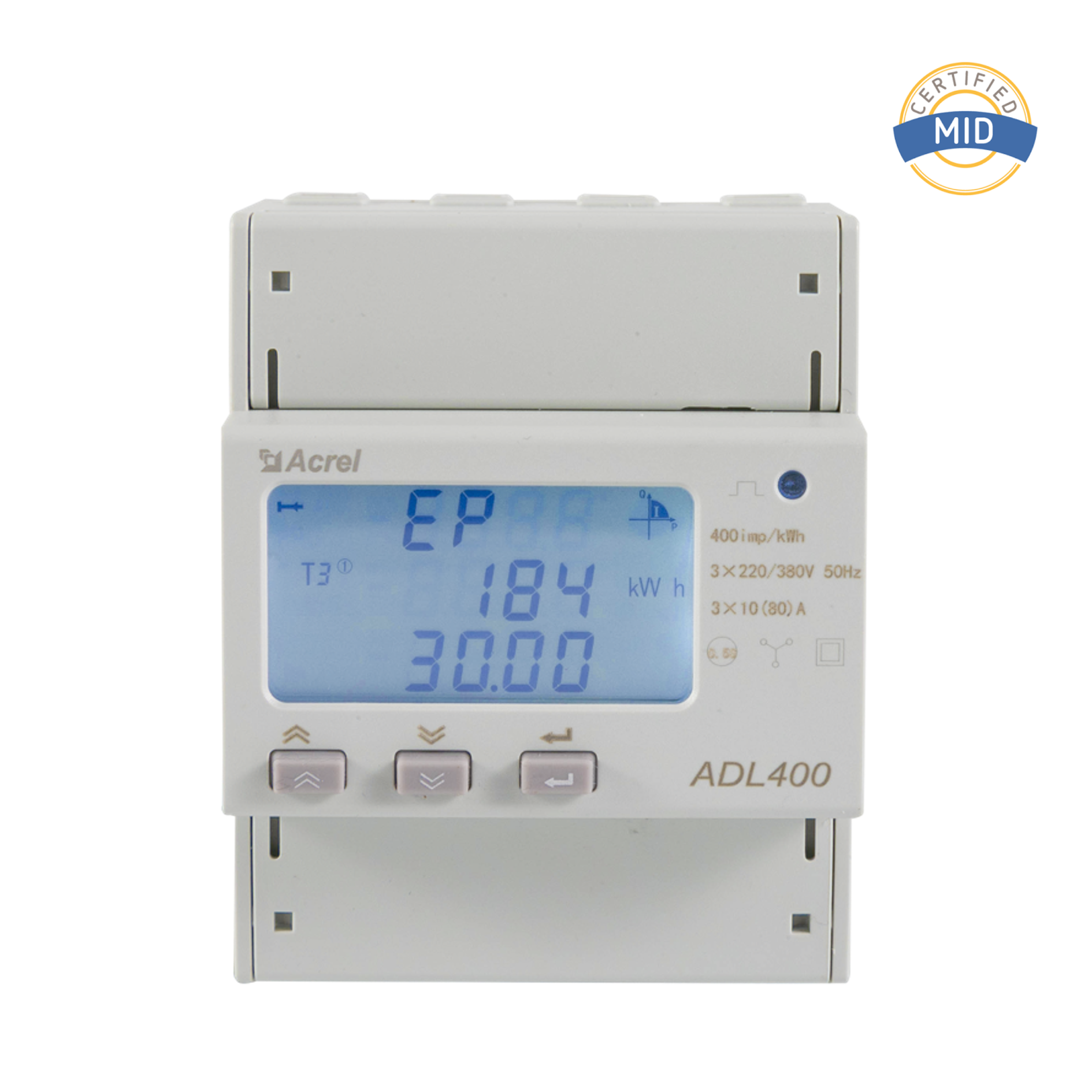 Introduction to AC Energy Meters In today’s rapidly evolving energy sector, accurate measurement and...View More
 -
What are the key differences between a basic thermal overload relay and a smart motor protection relay?
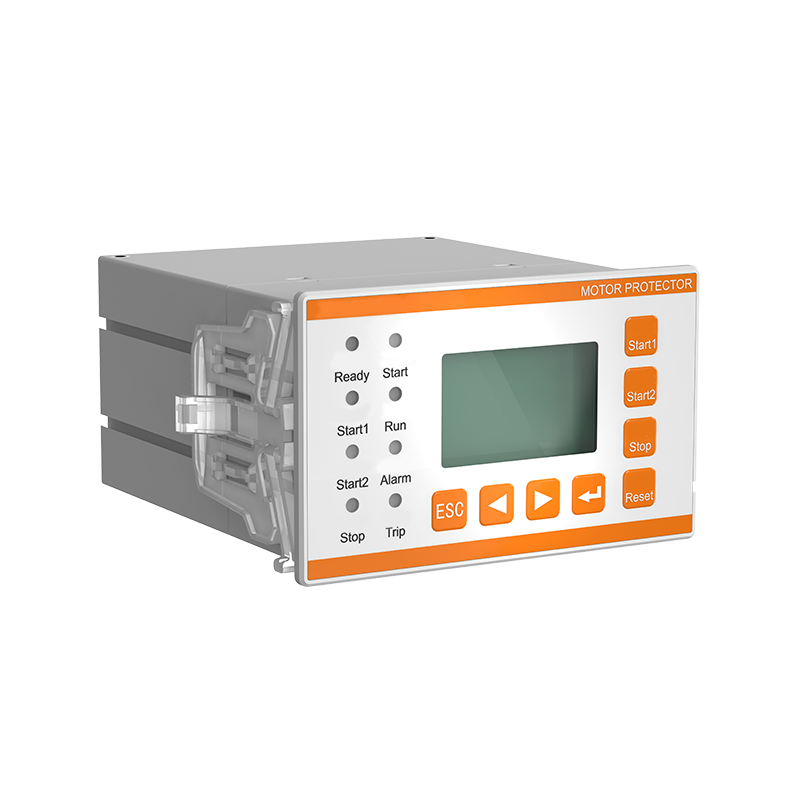 I. Introduction: The Critical Need for Motor Protection Electric motors are the undisputed workhorse...View More
 -
Precision and Versatility: Unlocking Efficiency with Panel Mount Multifunction Meters
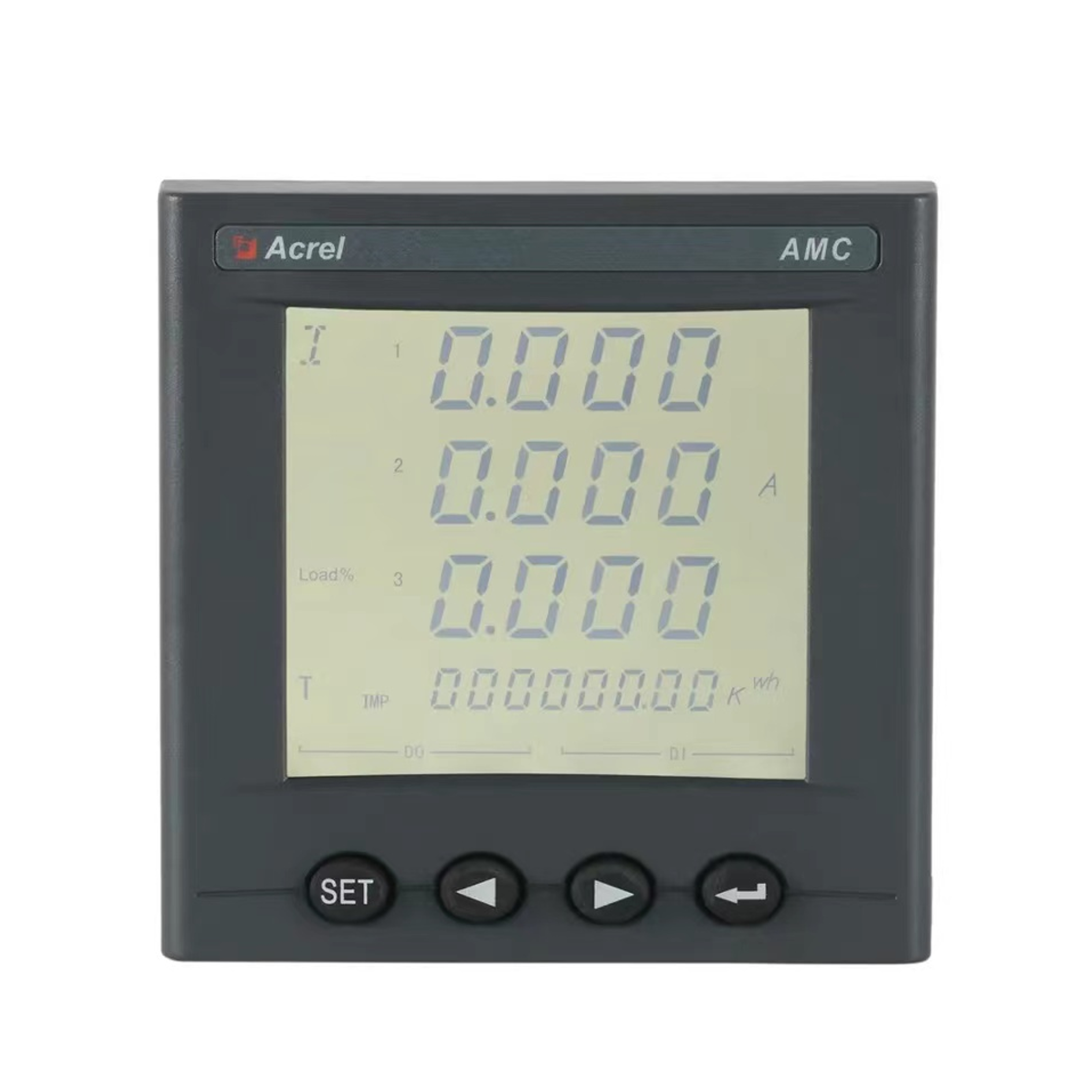 Introduction In modern industrial and commercial power environments, precise measurement and managem...View More


 Email: [email protected]
 Phone: +86-18702106858 / +86-21-69156352
No.253 Yulv Road, Jiading District, Shanghai, PRC 201801





