How do smart AC current energy meters differ from traditional ones?
Introduction
In modern energy management, the ac current energy meter plays a crucial role in monitoring and measuring electrical consumption. Over the past decades, the evolution from traditional meters to smart meters has transformed how electricity usage is recorded, transmitted, and analyzed. Understanding the differences between smart ac current energy meters and traditional meters is essential for industries, commercial facilities, and residential users who aim to improve energy efficiency, reduce costs, and ensure accurate billing.
Understanding traditional AC current energy meters
Basic operation
Traditional ac current energy meters have been widely used for decades in residential and industrial settings. These meters operate primarily on electromechanical or electronic principles, with electromechanical meters relying on a rotating disc mechanism and electronic meters utilizing digital circuits to measure energy consumption.
The main function of a traditional meter is to record electricity usage over time, usually in kilowatt-hours (kWh). These readings are used for billing purposes by utility providers. While reliable and cost-effective, traditional meters have several limitations when it comes to data accessibility, real-time monitoring, and advanced energy management.
Accuracy and limitations
Traditional meters provide relatively accurate measurements under standard operating conditions, but their performance can be affected by environmental factors, such as temperature, humidity, and voltage fluctuations. Additionally, electromechanical meters may experience mechanical wear over time, which can reduce accuracy.
Another limitation is the manual reading requirement. Utility personnel must physically visit each meter to record energy consumption, leading to potential delays, human errors, and inefficiencies in billing processes.
Introduction to smart AC current energy meters
Defining smart meters
A smart ac current energy meter is an advanced device designed to measure, record, and communicate electricity usage in real-time or near real-time. Unlike traditional meters, smart meters incorporate digital technology, communication interfaces, and often software platforms that facilitate remote monitoring, automated data collection, and energy management analytics.
Key technological components
Smart ac current energy meters typically include:
Digital measurement circuits: Ensuring high accuracy and stable readings.
Communication modules: Enabling data transfer via wired or wireless networks.
Data storage and processing units: Allowing the recording of usage patterns and historical consumption.
Integration capabilities: Supporting connection with home or industrial energy management systems.
These components work together to provide continuous, detailed insights into energy consumption, enabling better decision-making and operational efficiency.
Functional differences between smart and traditional meters
Real-time monitoring
One of the most significant differences is real-time monitoring. Smart ac current energy meters continuously track electricity consumption and transmit data to central management systems or user interfaces. This allows consumers and facility managers to detect anomalies, peak usage periods, and potential energy wastage.
In contrast, traditional meters offer only cumulative consumption data recorded over billing periods, without providing any real-time insight.
Communication capabilities
Smart meters feature advanced communication options, including:
Wireless protocols such as RF, Zigbee, or cellular networks
Wired options like power line communication (PLC) or Ethernet
Integration with cloud platforms for centralized data management
These communication features enable automated billing, remote diagnostics, and enhanced energy reporting. Traditional meters lack such capabilities, requiring manual readings and offline data processing.
Data granularity
Smart ac current energy meters provide detailed consumption data, including hourly, daily, and monthly usage. Some devices can also monitor power factor, voltage fluctuations, and load patterns, allowing for more accurate energy audits and predictive maintenance.
Traditional meters, however, only record cumulative energy usage, offering limited insight into consumption behavior. This reduces the ability to optimize energy efficiency or detect abnormal consumption trends promptly.
Accuracy and reliability
Measurement precision
While both traditional and smart meters offer reliable measurement, smart ac current energy meters generally provide higher accuracy due to advanced digital circuits and calibration algorithms. They are less susceptible to environmental factors that can affect electromechanical meters, such as temperature changes or mechanical wear.
Error detection and tamper resistance
Smart meters include built-in error detection and tamper-proof features, which can alert utilities or users if abnormal conditions or unauthorized manipulations occur. This level of security is generally not present in traditional meters, making them more vulnerable to tampering or measurement errors.
Benefits of smart AC current energy meters
Operational efficiency
Smart meters reduce operational costs by eliminating the need for manual readings and enabling automated billing. Utilities can schedule maintenance, detect outages quickly, and manage energy distribution more effectively.
Enhanced energy management
Consumers and industries can use smart ac current energy meters to optimize energy usage, implement demand response strategies, and reduce peak load costs. Real-time data empowers informed decision-making regarding energy consumption habits.
Integration with smart grids
Smart meters play a crucial role in modern energy infrastructure by supporting smart grid operations, allowing utilities to balance supply and demand efficiently, integrate renewable energy sources, and respond dynamically to network conditions.
Limitations of smart AC current energy meters
Initial investment
Smart meters often involve higher initial costs compared to traditional meters. The technology, communication modules, and software infrastructure contribute to the price difference, which can be a consideration for large-scale deployments.
Technical complexity
The operation of smart ac current energy meters requires technological expertise. Users or facility managers may need training to interpret the data correctly and integrate the devices with existing energy management systems.
Dependence on connectivity
Since smart meters rely on communication networks, network failures or connectivity issues can affect real-time monitoring and data transmission. Traditional meters, by contrast, are less dependent on external systems and can function reliably in isolation.
Comparative overview
Feature
Traditional AC Current Energy Meter
Smart AC Current Energy Meter
Measurement
Cumulative kWh
Real-time kWh and additional metrics
Accuracy
Good under normal conditions
High, digitally calibrated
Data access
Manual readings
Remote monitoring, automated reporting
Communication
None
Wired/Wireless, cloud integration
Maintenance
Manual inspection
Remote diagnostics possible
Security
Limited tamper detection
Built-in error and tamper alerts
Cost
Low
Higher initial investment
This table highlights the main differences, showing that smart ac current energy meters provide advanced functionality and analytics, while traditional meters remain cost-effective and straightforward.
Applications of smart AC current energy meters
Residential usage
In homes, smart meters allow homeowners to monitor electricity usage by appliance, schedule energy-saving routines, and receive alerts for abnormal consumption.
Commercial and industrial usage
Businesses benefit from smart ac current energy meters by optimizing operational efficiency, reducing energy costs, and supporting sustainability initiatives. Detailed consumption patterns enable precise energy audits and predictive maintenance planning.
Utility management
Utilities leverage smart meters for load balancing, outage detection, and grid optimization. The integration of smart meters into energy networks is critical for enabling dynamic pricing, demand response, and renewable energy integration.
Future trends
The development of smart ac current energy meters continues to evolve with the adoption of IoT technology, AI-powered analytics, and enhanced communication protocols. Future meters are expected to provide:
Greater integration with home and industrial automation systems
Advanced predictive maintenance and fault detection
Improved data security and privacy features
Enhanced support for decentralized energy generation, such as solar and wind power
These advancements will further distinguish smart meters from traditional ones and reinforce their role in modern energy management.


 English
 Deutsch
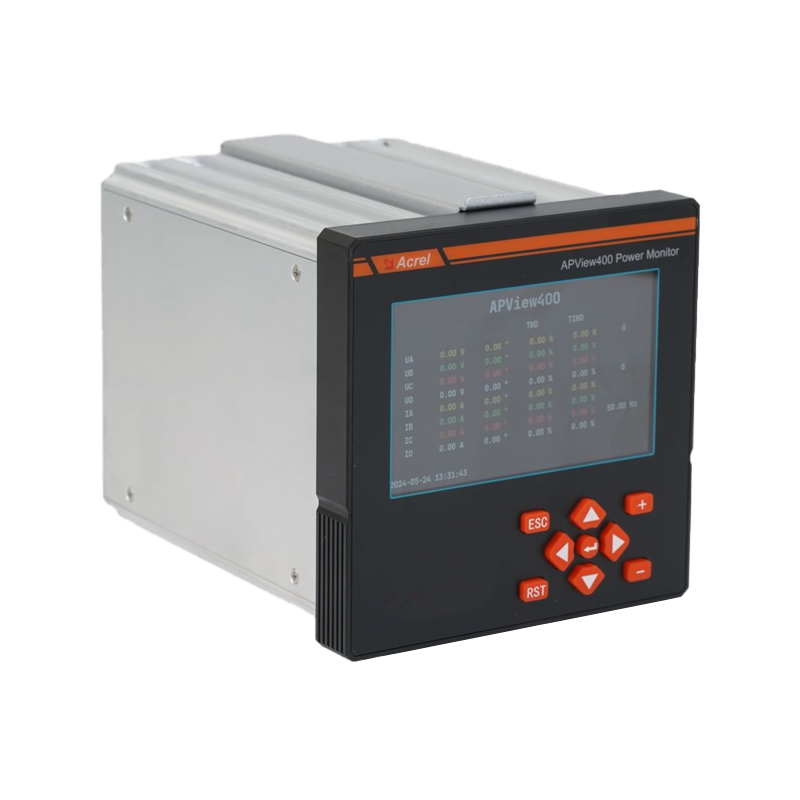 Part 1: Introduction 1.1 What is Power Quality and Why is it Important? In modern society, a stable ...View More
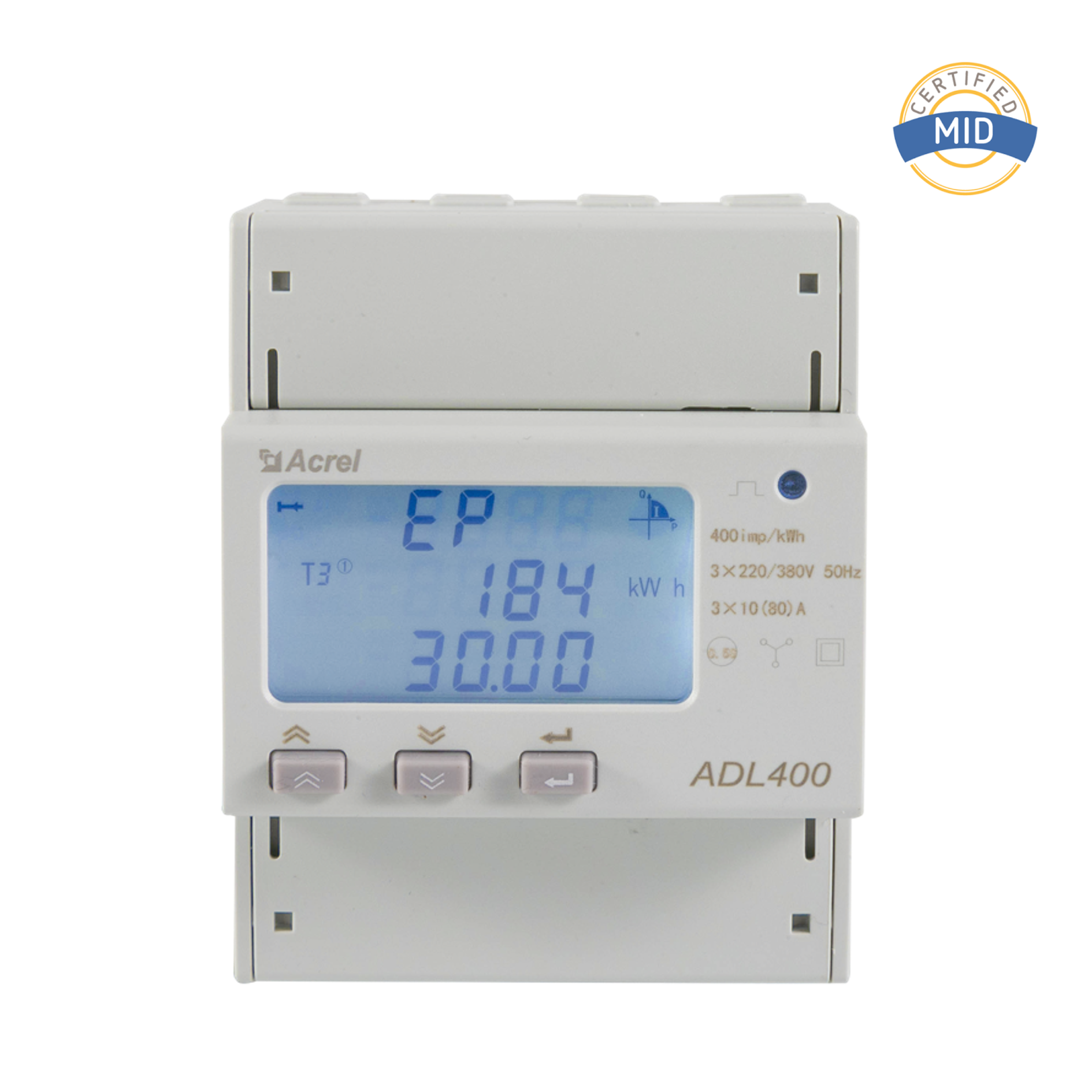 Introduction to AC Energy Meters In today’s rapidly evolving energy sector, accurate measurement and...View More
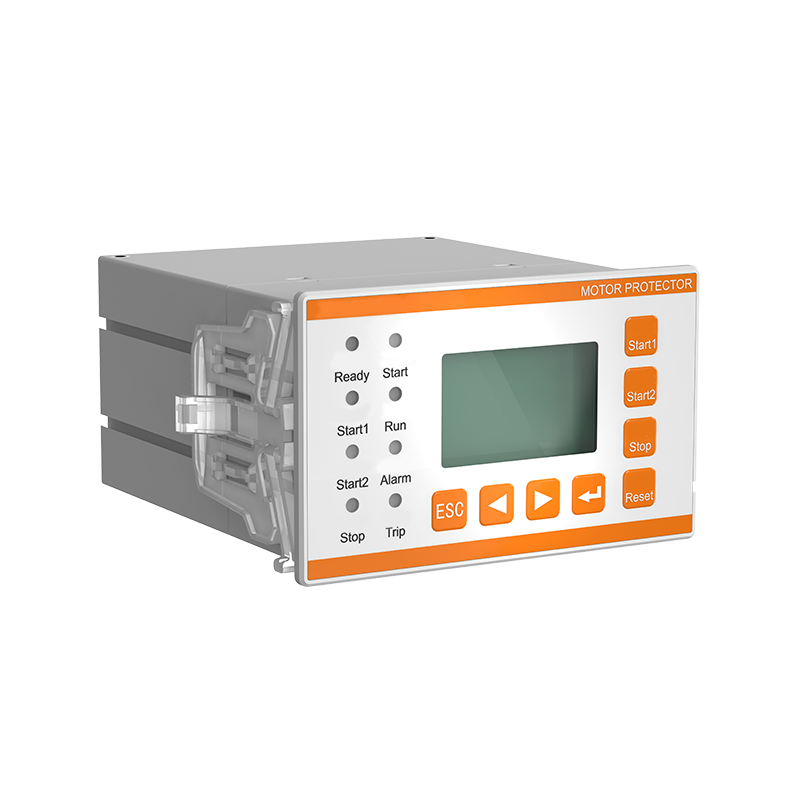 I. Introduction: The Critical Need for Motor Protection Electric motors are the undisputed workhorse...View More
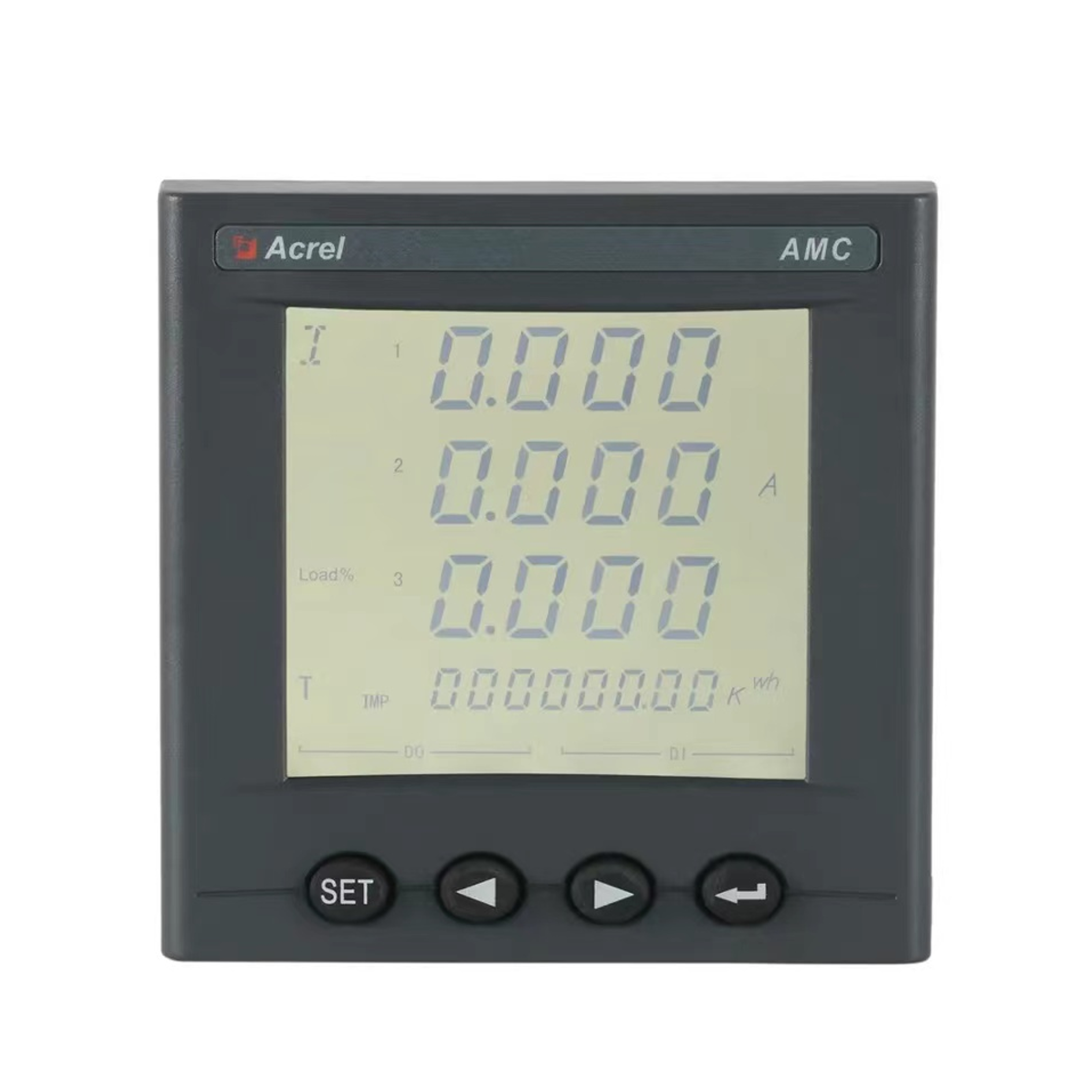 Introduction In modern industrial and commercial power environments, precise measurement and managem...View More

 Email: [email protected]
 Phone: +86-18702106858 / +86-21-69156352




